
Abalone Fishing Session Cancelled as Rough Seas Lash WA Coast
An upcoming abalone fishing session has been cancelled due to dangerous sea conditions, with authorities urging coastal safety as rough surf impacts Western Australia.
PEOPLE & COMMUNITY
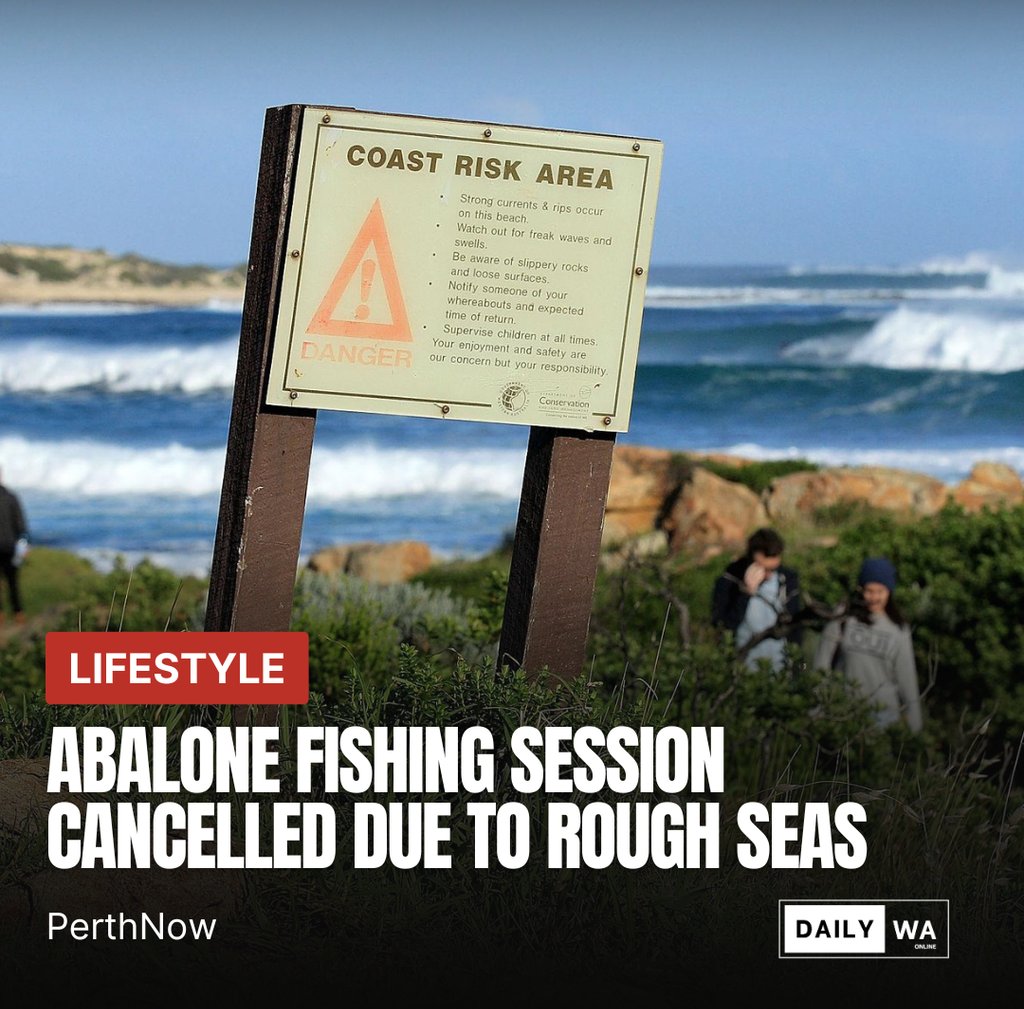
A highly anticipated abalone fishing session has been cancelled after authorities determined that rough sea conditions posed an unacceptable safety risk along parts of the Western Australian coastline.
Recreational abalone fishing attracts large numbers of participants each season, particularly along exposed reef platforms near Perth and surrounding coastal stretches. However, the activity is closely regulated, with strict time windows and weather assessments guiding each scheduled event.
Officials confirmed that strong swell, powerful shore breaks, and unpredictable wave surges created hazardous conditions, prompting the cancellation. Abalone fishing typically occurs in shallow reef zones where participants must wade into turbulent water. Even experienced fishers face significant risk when wave sets intensify.
Safety authorities consistently emphasise that rock fishing and reef based harvesting are among the most dangerous recreational activities in the state. Sudden waves can knock individuals off balance, sweeping them into deeper water or onto rocks.
The decision to cancel the session reflects precaution rather than inconvenience. Conditions can change rapidly along the Western Australian coast, particularly when offshore systems generate long period swell that builds unpredictably at shoreline level.
For many enthusiasts, the cancellation is disappointing. Abalone sessions are limited and carefully timed to protect stock sustainability. Missing an allocated window means waiting for the next scheduled opportunity. Yet authorities have reiterated that no harvest is worth risking serious injury.
Marine forecasts across Western Australia indicate elevated wave heights and strong coastal winds in several regions. Beachgoers and fishers are being advised to monitor official updates and avoid exposed rock platforms during peak swell.
Coastal communities are familiar with the power of the ocean. Even calm looking waters can conceal strong currents and surge patterns beneath the surface. Safety campaigns regularly stress the importance of checking conditions, wearing appropriate footwear, and fishing in groups when permitted.
Environmental factors also influence decisions around recreational harvesting. Sustainable management of abalone stocks requires not only regulated catch limits but safe conditions that prevent avoidable incidents.
At TMFS, we observe that effective risk management often involves restraint. Cancelling a popular event can be unpopular, yet prioritising safety demonstrates responsible governance.
Authorities have indicated that future sessions will proceed only when conditions return to acceptable thresholds. Until then, coastal users are encouraged to respect warning advice and remain vigilant near exposed shorelines.
The ocean remains one of Western Australia’s defining features. Its beauty and bounty draw thousands each year. Its power demands equal respect.
All rights belong to their respective owners. This article contains references and insights based on publicly available information and sources. We do not claim ownership over any third party content mentioned.
DAILY WA © 2025
Daily WA Online is an independent news and media platform covering Western Australia. Owned by TMFS International Pty Ltd., we publish local stories, business insights, lifestyle features, and community voices for the digital era.