
African and Caribbean Nations Renew Calls for Formal Apology Over Transatlantic Slavery
African and Caribbean nations are intensifying calls for formal apologies and reparative measures from former colonial powers over the transatlantic slave trade and its lasting impacts.
PEOPLE & COMMUNITY
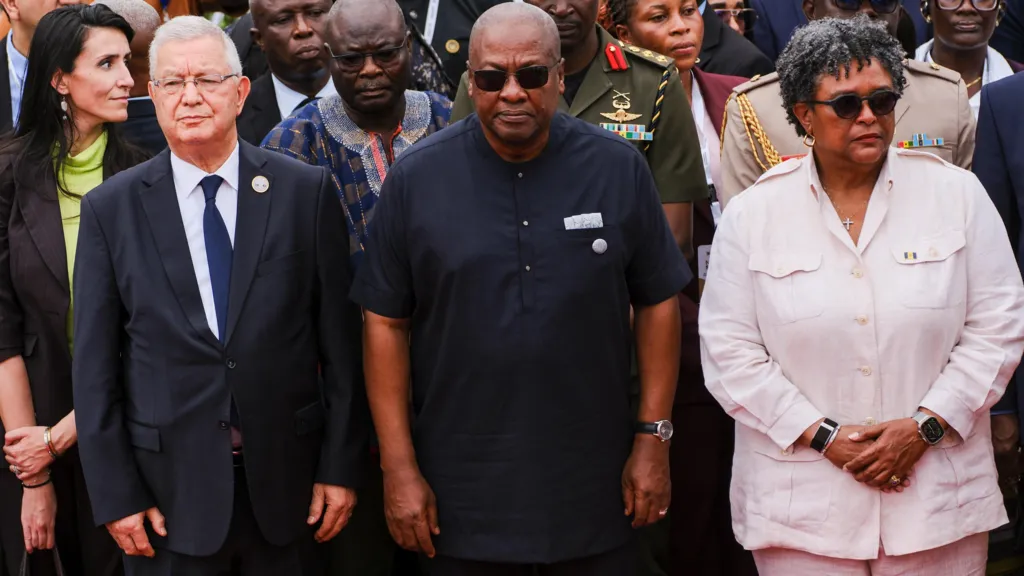
African and Caribbean leaders have renewed demands for formal apologies from former colonial nations over the transatlantic slave trade, arguing that historical injustices continue to affect societies today.
The calls were made by representatives from several countries and regional organisations, including the African Union and CARICOM, which have increasingly advocated for discussions around historical accountability and reparatory justice.
A Legacy That Continues to Shape Nations
The transatlantic slave trade lasted for centuries and involved the forced transportation of millions of Africans across the Atlantic Ocean, primarily to the Americas and the Caribbean.
Historians regard it as one of the largest and most devastating forced migration systems in human history.
Many African and Caribbean leaders argue that the economic and social consequences of slavery continue to influence inequality, development outcomes, and institutional structures today.
Calls for Formal Apologies
Supporters of the campaign say official acknowledgements are an important step toward addressing historical harms.
Their requests often include:
Formal state apologies
Educational initiatives
Historical recognition programs
Cultural preservation efforts
Discussions regarding reparative measures
Advocates argue that apologies would represent recognition of the suffering experienced by enslaved people and their descendants.
Debate Over Reparations
The discussion extends beyond symbolic apologies.
Some governments and advocacy groups have called for broader conversations about reparations, arguing that former colonial powers benefited economically from systems built on enslaved labour.
Others contend that modern governments should focus on future cooperation, development partnerships, and economic investment rather than financial compensation linked to historical events.
The issue remains politically sensitive across multiple countries.
International Perspectives
Several European governments have acknowledged the role their nations played in the slave trade, although approaches differ regarding formal apologies and reparations.
Some institutions have issued statements of regret or historical recognition, while others remain cautious about legal or financial implications.
The debate has gained renewed visibility in recent years as countries revisit colonial histories and examine their long-term impacts.
Why the Conversation Matters
For many communities across Africa and the Caribbean, the discussion is not solely about the past.
Supporters argue it is also about:
Historical recognition
Social justice
National identity
Educational awareness
International accountability
The issue remains an important part of broader conversations surrounding human rights and historical memory.
A Continuing Global Discussion
The transatlantic slave trade remains one of the most studied and debated periods in world history.
As more countries reassess historical narratives and colonial legacies, calls for formal acknowledgement are likely to continue.
Whether through apologies, educational initiatives, diplomatic engagement, or other forms of recognition, the conversation reflects ongoing efforts to understand and address the enduring consequences of historical injustice.
The renewed calls from African and Caribbean nations highlight how historical events continue to influence modern politics and international relations.
While opinions differ on what form accountability should take, the debate underscores the lasting impact of the transatlantic slave trade on societies across multiple continents.
As discussions evolve, governments, institutions, and communities will continue grappling with how best to acknowledge the past while shaping future relationships built on mutual understanding and respect.
All rights belong to their respective owners. This article contains references and insights based on publicly available information and sources. We do not claim ownership over any third-party content mentioned.
DAILY WA © 2025
Daily WA Online is an independent news and media platform covering Western Australia. Owned by TMFS International Pty Ltd., we publish local stories, business insights, lifestyle features, and community voices for the digital era.