
Albanese Recalls Parliament Early as Government Moves to Strengthen Hate Speech and Gun Laws
Prime Minister Anthony Albanese has recalled federal parliament for an early sitting to fast track proposed reforms to hate speech and gun laws following the Bondi terror attack, signalling a tougher national stance on public safety and extremism.
OPINION & VOICES
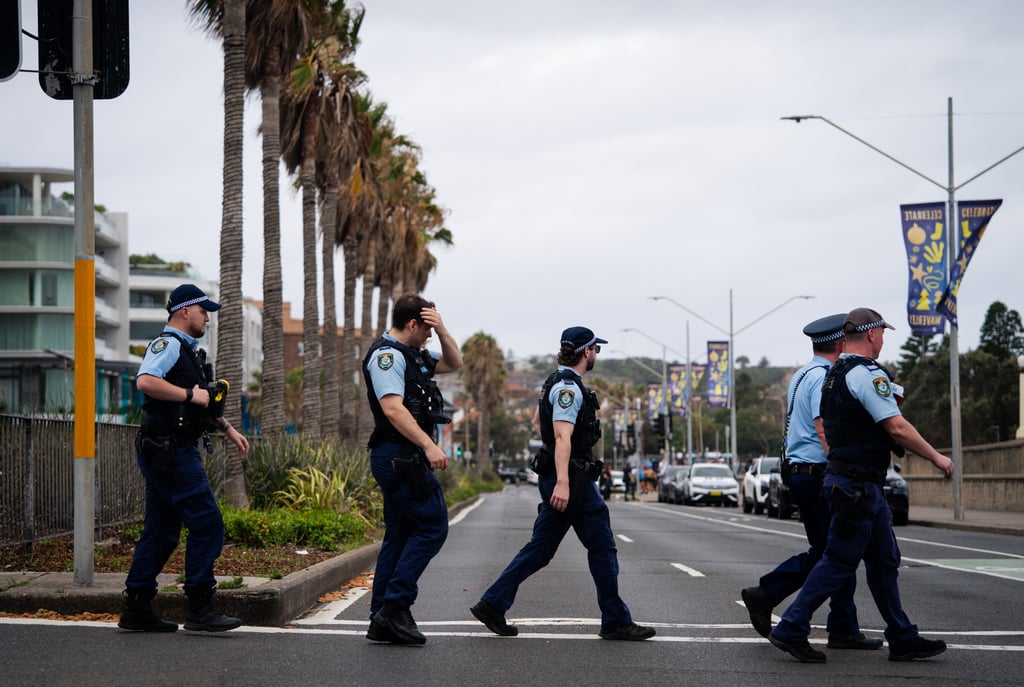
National crises often force governments to act faster than planned. The early recall of federal parliament by Prime Minister Anthony Albanese reflects that urgency. In the wake of the Bondi terror attack, the government has moved to accelerate debate on proposed changes to hate speech legislation and firearm controls, framing the moment as one that demands decisive national leadership rather than incremental reform.
The decision to bring parliament back ahead of schedule underscores the gravity with which the government views the attack and its broader implications. Officials have made clear that the proposed legislative response is not limited to addressing a single incident, but aimed at strengthening the legal framework that governs hate motivated violence and access to firearms across Australia.
Central to the proposed reforms is the designation of hate crimes as serious offences under federal law. This shift would elevate crimes motivated by race, religion, ethnicity, or other protected characteristics, allowing for stronger penalties and clearer pathways for prosecution. The government argues that existing laws do not adequately reflect the harm caused by ideologically driven violence, nor do they provide sufficient deterrence in an increasingly polarised environment.
Alongside hate speech reforms, the government is consulting on the introduction of a national gun buyback scheme. While details are still being developed, the proposal has drawn comparisons to Australia’s landmark gun reforms of the late 1990s. That earlier buyback fundamentally reshaped firearm ownership and is widely credited with reducing gun related violence. Reintroducing a national scheme signals a willingness to revisit strong interventionist measures where public safety is concerned.
The Bondi attack has sharpened focus on how extremist ideologies manifest domestically. While investigations continue, the government has emphasised the need to address both the acts themselves and the conditions that allow hate driven violence to take root. Strengthening laws around incitement and hate speech is being framed as a preventative measure, designed to disrupt escalation before it turns violent.
The early recall of parliament also reflects the political sensitivity of the moment. Security, social cohesion, and civil liberties intersect directly in this debate. Any expansion of hate speech laws raises questions about free expression, enforcement thresholds, and legal clarity. The government has acknowledged these concerns, stressing that consultations will continue with states, legal experts, and community groups to ensure reforms are both effective and proportionate.
Gun law reform carries its own complexity. Firearm regulation in Australia involves cooperation between federal and state governments, with enforcement largely occurring at the state level. A national buyback would require coordination, funding, and agreement across jurisdictions. The government’s move to elevate the issue to the federal agenda suggests it is seeking that alignment early rather than responding piecemeal.
Public reaction to the proposed changes has been mixed but intense. Many see the early parliamentary sitting as a necessary show of resolve in the face of violence. Others caution against rushed legislation, arguing that durable reform requires careful design to avoid unintended consequences. This tension is familiar in moments of national shock, where the demand for action must be balanced against the need for precision.
From a governance perspective, recalling parliament early is a strong signal. It communicates that the issue will not be deferred or diluted by routine political timelines. It also places responsibility squarely on lawmakers to engage with difficult questions under public scrutiny, rather than allowing debate to drift.
At TMFS, we observe similar patterns across systems responding to high impact events. Moments of crisis often expose gaps that were previously tolerated. Effective responses depend on clarity of intent, credible consultation, and the ability to act without undermining long term trust. Legislative reform in areas as sensitive as speech and firearms tests all three.
As consultations continue, the outcome will shape Australia’s legal and social landscape well beyond the immediate aftermath of the Bondi attack. The proposed designation of hate crimes as serious offences and the potential reintroduction of a national gun buyback mark a significant escalation in policy ambition.
The early recall of parliament ensures that these questions are addressed directly and publicly. Whether the reforms ultimately pass in their proposed form or evolve through debate, the message from the government is clear. Issues of hate driven violence and public safety are being treated as national priorities, requiring collective resolve and sustained attention.
All rights belong to their respective owners. This article contains references and insights based on publicly available information and sources. We do not claim ownership over any third party content mentioned.
DAILY WA © 2025
Daily WA Online is an independent news and media platform covering Western Australia. Owned by TMFS International Pty Ltd., we publish local stories, business insights, lifestyle features, and community voices for the digital era.