
ASX Falls as RBA Delivers Third Interest Rate Hike of 2026
Australian shares closed lower after the Reserve Bank lifted interest rates again, with investors reacting to persistent inflation and rising economic uncertainty.
BUSINESS & ECONOMY
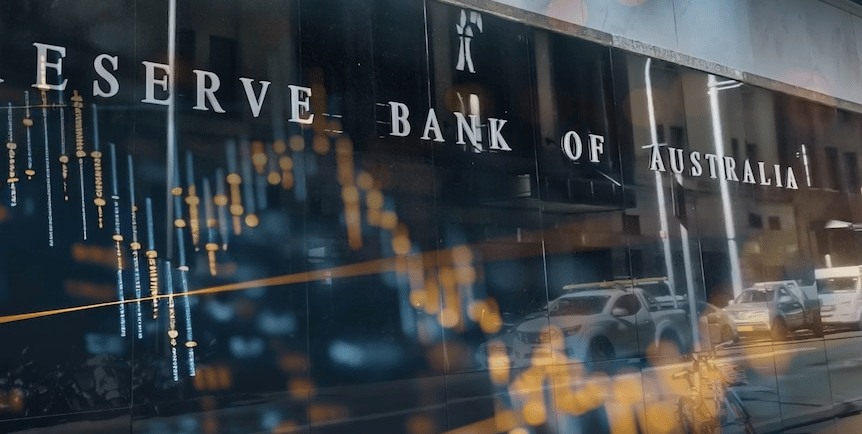
Australia’s share market ended the day on a weaker note as the Reserve Bank of Australia delivered its third interest rate hike of 2026, reinforcing concerns that inflation remains difficult to control.
The S&P/ASX 200 slipped into the close, with losses spread across key sectors as investors adjusted expectations for higher borrowing costs and slower economic growth.
The rate increase was widely anticipated, but the tone of the decision signalled that the central bank is still focused on bringing inflation down, even if it means putting pressure on households and businesses.
Higher interest rates typically ripple through the economy in several ways. Mortgage repayments rise, consumer spending softens, and business investment can slow. For markets, that often translates into weaker sentiment, especially in sectors tied to consumer demand and housing.
Banking stocks showed mixed performance. While higher rates can boost margins, concerns about loan defaults and slower credit growth weighed on investor confidence. Retail and property related stocks were among the hardest hit, reflecting sensitivity to rising borrowing costs.
The broader backdrop also added pressure. Global uncertainty, including tensions in the Middle East, continues to influence energy prices and inflation expectations. These external factors make it harder for central banks to ease policy in the near term.
In Australia, the rate decision highlights the delicate balance policymakers are trying to manage. Inflation remains elevated, but economic growth is beginning to show signs of slowing.
For households, the impact is immediate. Each rate hike increases financial pressure, particularly for mortgage holders already dealing with higher living costs. For businesses, tighter financial conditions can limit expansion and hiring plans.
Markets are now focused on what comes next. Investors will be watching upcoming economic data closely to assess whether further rate increases are likely or if the central bank may pause to evaluate the effects of tightening so far.
At TMFS, the takeaway is straightforward. The fight against inflation is not over, and markets are adjusting to a reality where interest rates may stay higher for longer.
The reaction on the ASX reflects that shift. Caution is returning, and until there is clearer evidence that inflation is under control, volatility is likely to remain part of the market landscape.
DAILY WA © 2025
Daily WA Online is an independent news and media platform covering Western Australia. Owned by TMFS International Pty Ltd., we publish local stories, business insights, lifestyle features, and community voices for the digital era.