
ASX Falls as Wall Street Weakens, Australian Dollar Slips and Oil Prices Rise Again
Australian shares dropped after losses on Wall Street, while the Australian dollar weakened and oil prices climbed amid renewed global market uncertainty.
BUSINESS & ECONOMY
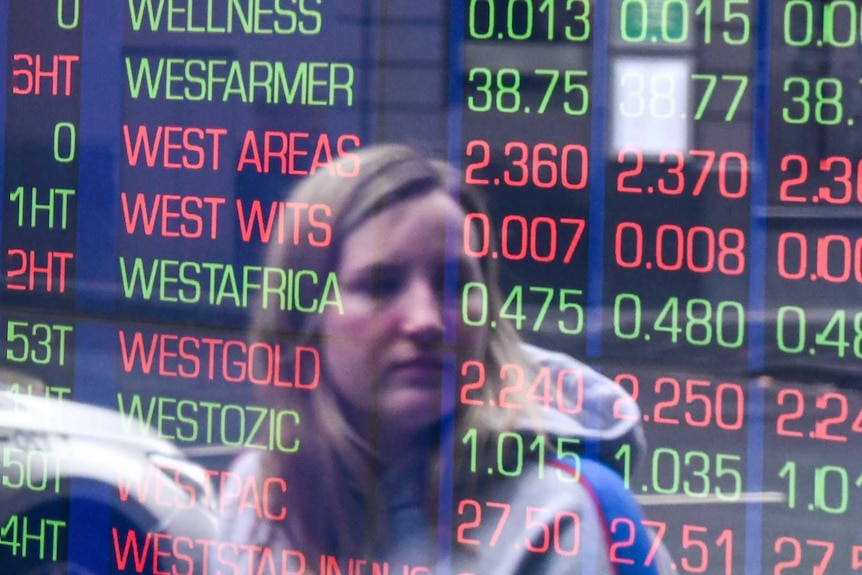
Australian financial markets came under renewed pressure after another weak session on Dow Jones Industrial Average and broader declines on Wall Street triggered cautious sentiment across global investors.
The S&P/ASX 200 closed lower as concerns over inflation, interest rates, and geopolitical tensions continued driving volatility through international markets.
At the same time, the Australian dollar weakened against the US dollar while oil prices moved higher again, adding to fears that inflation pressures may remain elevated for longer.
Wall Street Weakness Flows Into Australian Markets
Australian markets often follow the direction set overnight in the United States, and the latest Wall Street decline created immediate pressure on local shares.
Technology, banking, and consumer sectors were among the weakest performers as investors reacted to renewed uncertainty around global growth and interest rate expectations.
Higher bond yields in the US also affected investor confidence, with markets increasingly concerned that central banks may need to keep interest rates elevated longer than previously expected.
Australian Dollar Falls Against US Currency
The Australian dollar weakened as investors shifted toward the US dollar, which is often viewed as a safer asset during periods of market instability.
Currency markets have become highly sensitive to:
Interest rate expectations
Commodity prices
Global conflict risks
Economic growth concerns
A weaker Australian dollar can increase costs for imports and international travel, while also influencing inflation through higher imported goods prices.
Oil Prices Climb Again
Oil prices resumed their upward trend amid continuing tensions in the Middle East and uncertainty surrounding shipping routes near the Strait of Hormuz.
Energy traders remain concerned about potential disruptions to global supply, especially as geopolitical risks continue affecting one of the world’s most important oil transit regions.
Higher oil prices create ripple effects across the economy by increasing fuel, transport, and logistics costs. These pressures can eventually feed into broader inflation.
Investors Remain Focused on Interest Rates
The market reaction also reflects growing concern about central bank policy.
In Australia, the Reserve Bank of Australia recently raised interest rates again, highlighting ongoing concerns about inflation persistence.
Investors are now watching closely to see whether further increases may still be needed if energy prices continue rising.
Volatility Returns to Global Markets
Recent trading sessions show how closely markets remain tied to geopolitical developments and economic data.
Even small shifts in oil prices, inflation forecasts, or central bank language are now producing sharp movements across shares, currencies, and commodities.
The combination of weaker equities, rising oil, and currency pressure signals a more defensive mood among investors after months of uncertainty.
What Markets Are Watching Next
Analysts say the next key drivers will likely include:
Upcoming inflation data
Central bank commentary
Oil supply developments
Corporate earnings results
Middle East geopolitical tensions
Any sign of worsening conflict or stubborn inflation could increase volatility further across global markets.
Final Thoughts
The latest market decline reflects how interconnected the global economy has become.
A drop on Wall Street quickly affected the ASX, while rising oil prices and a weaker Australian dollar reinforced concerns about inflation and economic pressure.
For investors, businesses, and households alike, uncertainty remains the dominant theme shaping financial markets in 2026.
All rights belong to their respective owners. This article contains references and insights based on publicly available information and sources. We do not claim ownership over any third party content mentioned.
DAILY WA © 2025
Daily WA Online is an independent news and media platform covering Western Australia. Owned by TMFS International Pty Ltd., we publish local stories, business insights, lifestyle features, and community voices for the digital era.