
Australia Scales Back Fuel Tax Relief After US-Iran Deal Reopens Hormuz Shipping Route
Australia is winding back fuel tax relief measures after a US-Iran agreement eased concerns over disruptions in the Strait of Hormuz, helping stabilise global oil markets.
NEWS & CURRENT AFFAIRS
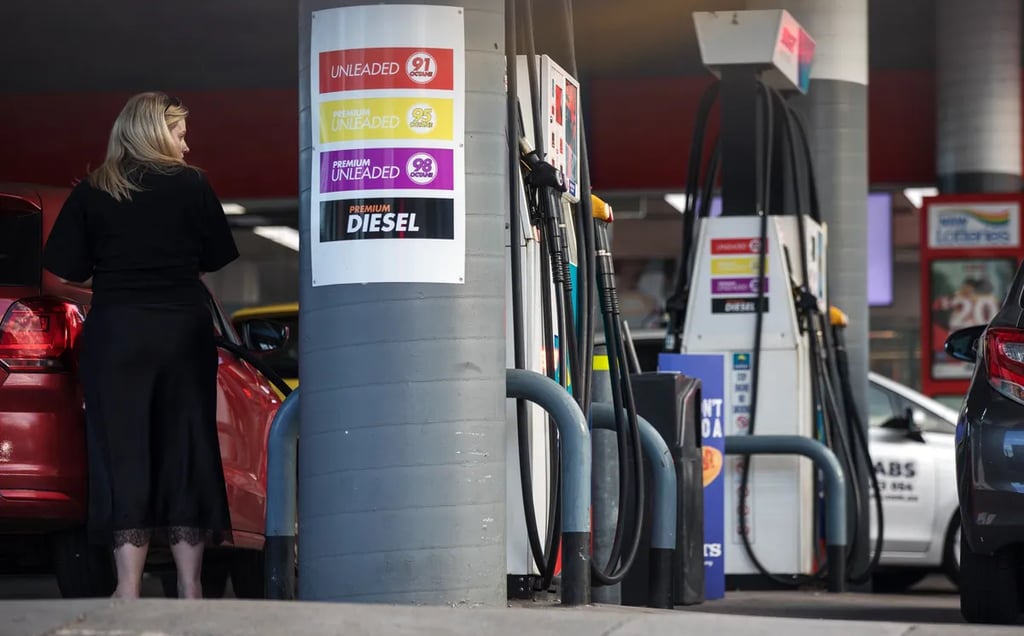
The Australian government is moving to reduce temporary fuel tax relief measures following a breakthrough agreement between the United States and Iran that has helped ease tensions around the strategically critical Strait of Hormuz.
The decision comes as global oil markets respond positively to signs that one of the world's most important energy corridors will remain open to commercial shipping.
Why the Strait of Hormuz Matters
The Strait of Hormuz is one of the most important energy chokepoints in the world.
A significant share of global oil and liquefied natural gas exports passes through the narrow waterway each day.
Any threat to shipping through the region can quickly trigger:
Higher oil prices
Increased fuel costs
Supply chain disruptions
Inflation concerns
Financial market volatility
Recent tensions involving Iran had raised fears of potential disruptions, prompting governments and markets to prepare for possible supply shortages.
How the Agreement Changed the Outlook
The reported agreement between Washington and Tehran has reduced immediate concerns about shipping access through the region.
As geopolitical risks eased, global crude oil prices softened from recent highs, helping relieve pressure on fuel markets.
Lower oil prices generally translate into reduced wholesale fuel costs, although retail price movements often occur with a delay.
Australia's Fuel Tax Response
The government had previously introduced fuel tax relief measures to help offset rising petrol prices during periods of market instability.
With international energy markets showing signs of stabilisation, policymakers now believe some of those temporary support measures can be gradually reduced.
Officials argue that maintaining emergency-style assistance becomes more difficult to justify when supply risks begin easing.
Impact on Australian Drivers
For Australian motorists, the change may result in fuel prices becoming more closely linked to global market conditions rather than government intervention.
Several factors will continue influencing petrol prices, including:
Global oil prices
Exchange rates
Refining costs
Distribution expenses
Domestic fuel taxes
Although the easing of Middle East tensions is positive for markets, future price movements remain uncertain.
Inflation and Economic Considerations
Fuel prices play a major role in inflation because they affect transportation and logistics costs throughout the economy.
Higher fuel costs can eventually influence:
Food prices
Retail goods
Freight services
Travel expenses
Business operating costs
The government's decision reflects confidence that recent energy market pressures may not require the same level of intervention seen during peak uncertainty.
Markets Welcome Reduced Risk
Financial markets generally responded favourably to signs of de-escalation between the United States and Iran.
Energy traders remain cautious, however, noting that geopolitical tensions in the Middle East can change rapidly.
Investors continue monitoring developments closely given the region's importance to global energy security.
Australia's decision to taper fuel tax relief highlights how closely domestic economic policy is tied to international events.
The reopening of confidence around the Strait of Hormuz has helped calm oil markets, reducing pressure on governments that introduced emergency support measures during periods of uncertainty.
While the immediate outlook appears more stable, fuel prices remain vulnerable to global geopolitical developments, ensuring energy security will continue to be a major economic issue in the months ahead.
All rights belong to their respective owners. This article contains references and insights based on publicly available information and sources. We do not claim ownership over any third-party content mentioned.
DAILY WA © 2025
Daily WA Online is an independent news and media platform covering Western Australia. Owned by TMFS International Pty Ltd., we publish local stories, business insights, lifestyle features, and community voices for the digital era.