
Australia Zoo Calls Police on Traditional Owner Seeking Visit With Totem Crocodile Old Faithful
A dispute involving Australia Zoo, a traditional owner, and the culturally significant crocodile Old Faithful has sparked debate about Indigenous heritage, cultural rights, and access to important totem animals.
NEWS & CURRENT AFFAIRS
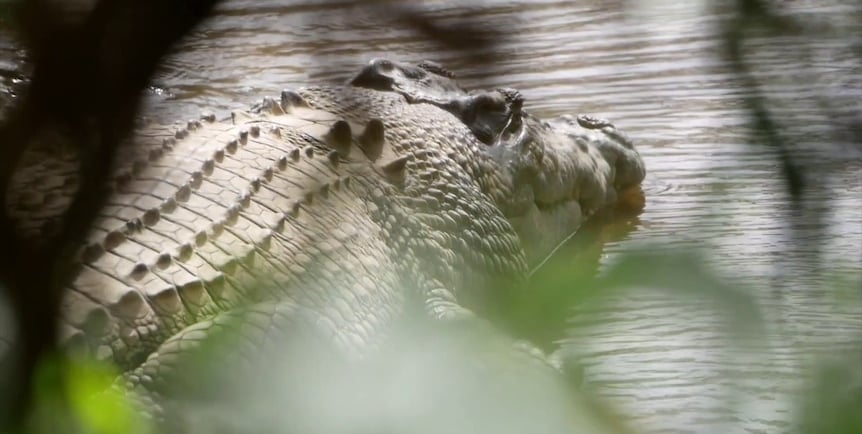
A controversy has emerged involving Australia Zoo after police were reportedly called when a traditional owner attempted to visit a culturally significant crocodile known as Old Faithful.
The incident has reignited discussions about Indigenous cultural connections to animals, traditional ownership, and the responsibilities of institutions that care for culturally important wildlife.
Who Is Old Faithful?
Old Faithful is a well-known crocodile housed at Australia Zoo and is regarded by some Indigenous community members as a significant totem animal.
In many Aboriginal cultures, totems carry deep spiritual, cultural, and ancestral meaning. They are often linked to family groups, identity, responsibilities, and traditional knowledge passed down through generations.
For traditional owners, connections to totem species can extend far beyond wildlife appreciation and may form part of ongoing cultural obligations.
What Happened?
According to reports, a traditional owner attended Australia Zoo seeking access to see Old Faithful. The situation escalated and police were called to the site.
The incident has generated public debate regarding how cultural relationships with significant animals should be recognised and managed within privately operated wildlife facilities.
Both supporters of the traditional owner's position and supporters of the zoo have expressed differing views regarding access rights, safety procedures, and cultural recognition.
Cultural Significance and Indigenous Rights
Across Australia, there is growing recognition of Indigenous cultural heritage and the importance of involving traditional owners in decisions affecting culturally significant places, species, and stories.
Many Indigenous leaders argue that cultural connections remain active regardless of whether an animal is located in a protected area, private facility, or public institution.
The case has highlighted broader questions about how organisations engage with traditional custodians when animals hold special cultural meaning.
Australia Zoo’s Position
As a major wildlife conservation organisation, Australia Zoo operates under strict safety, animal welfare, and visitor management procedures.
Wildlife facilities generally maintain controlled access to animals for both public safety and animal wellbeing reasons.
Supporters of the zoo argue that staff must follow established protocols regardless of the circumstances surrounding a visitor's request.
A Broader National Conversation
The dispute extends beyond a single crocodile.
It touches on wider discussions occurring across Australia regarding:
Indigenous cultural recognition
Traditional ownership rights
Access to culturally significant species
Conservation and heritage management
Relationships between institutions and First Nations communities
These issues continue to evolve as organisations seek ways to balance operational responsibilities with growing expectations around cultural engagement.
Why the Story Resonates
The incident has attracted significant attention because it combines wildlife conservation, Indigenous heritage, and questions about cultural authority.
For many Australians, it serves as a reminder that animals can hold meanings far deeper than their ecological or educational value.
To some communities, species such as crocodiles are not simply wildlife. They represent family connections, ancestral responsibilities, and living cultural traditions.
The dispute involving Australia Zoo and Old Faithful highlights the complex intersection between conservation management and Indigenous cultural heritage.
As discussions continue, many observers believe the situation presents an opportunity for greater dialogue between wildlife institutions and traditional owners.
The broader challenge is finding respectful ways to recognise cultural connections while maintaining animal welfare, safety, and operational requirements.
For many Indigenous Australians, the issue is not only about access to a crocodile. It is about recognition of a relationship that stretches back thousands of years.
All rights belong to their respective owners. This article contains references and insights based on publicly available information and sources. We do not claim ownership over any third-party content mentioned.
DAILY WA © 2025
Daily WA Online is an independent news and media platform covering Western Australia. Owned by TMFS International Pty Ltd., we publish local stories, business insights, lifestyle features, and community voices for the digital era.