
Australia’s Greenhouse Gas Emissions Fall as Renewable Energy and Batteries Expand
Australia’s greenhouse gas emissions have declined as renewable energy generation and large-scale battery storage continue growing across the country’s electricity network.
BUSINESS & ECONOMY
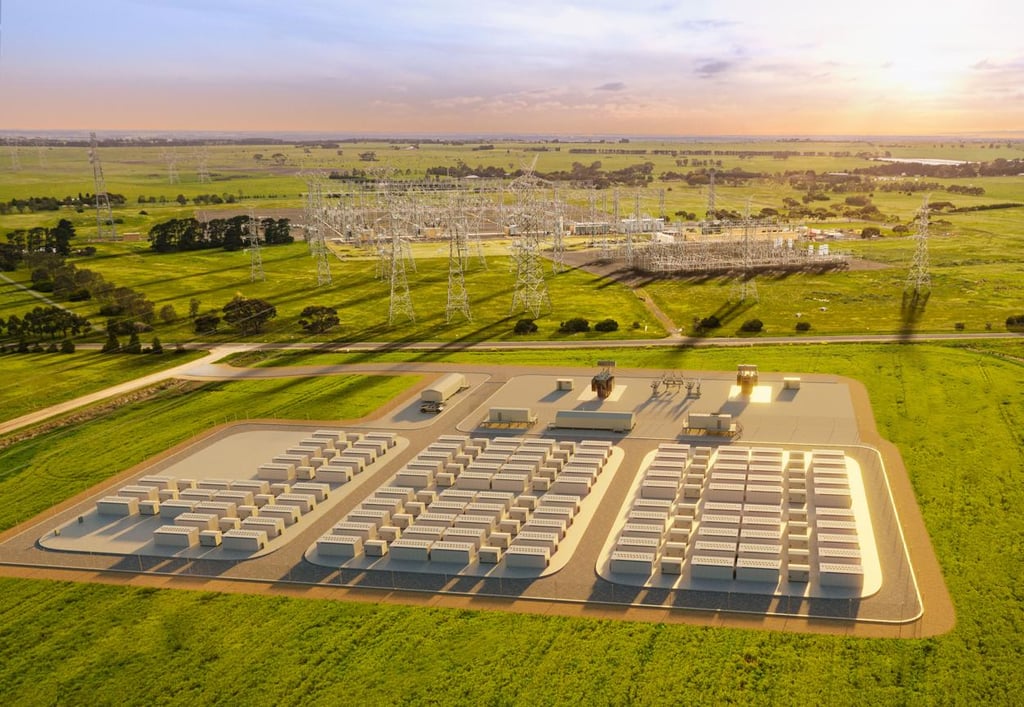
Australia’s greenhouse gas emissions have fallen as renewable energy projects and battery storage systems continue transforming the nation’s electricity sector.
The decline marks another significant step in the country’s transition toward cleaner energy sources, with solar, wind, and battery technologies playing an increasingly important role in reducing emissions across Australia.
Renewable Energy Growth Accelerates
Renewable energy has expanded rapidly over the past decade, with large investments flowing into solar farms, wind projects, and energy storage infrastructure.
Across Australia, renewable generation now supplies a growing share of electricity demand, reducing reliance on coal-fired power stations that have historically been among the largest sources of greenhouse gas emissions.
The strongest growth has been driven by:
Utility-scale solar farms
Rooftop solar installations
Wind energy developments
Large battery storage projects
Grid modernisation investments
These technologies are helping reshape how electricity is generated and distributed.
Batteries Becoming a Key Part of the Energy System
Battery storage has emerged as one of the most important developments in Australia's energy transition.
Large-scale batteries help store electricity generated from renewable sources during periods of strong production and release it when demand increases.
This improves grid reliability and addresses one of the longstanding challenges associated with renewable energy: variability in generation.
Energy experts say battery technology is becoming increasingly critical as renewable penetration continues rising.
Emissions Continue Trending Lower
Lower emissions from the electricity sector have been a major contributor to the overall decline in greenhouse gas output.
As renewable generation replaces fossil fuel generation, carbon emissions associated with electricity production continue falling.
The trend supports Australia's broader emissions reduction goals and international climate commitments.
However, emissions from other sectors such as transport, heavy industry, and agriculture remain significant challenges.
Economic Benefits of the Energy Transition
The growth of renewable energy is also generating economic opportunities.
New projects have created employment in:
Construction
Engineering
Energy technology
Manufacturing
Infrastructure development
Regional communities across several states have become important centres for renewable energy investment.
Areas in Queensland, New South Wales, Victoria, and Western Australia are seeing significant renewable energy expansion.
Challenges Still Remain
Despite the positive trend, energy transition challenges remain.
Key issues include:
Transmission infrastructure upgrades
Grid reliability during peak demand
Energy storage expansion
Managing coal plant retirements
Ensuring affordable electricity prices
Policymakers and industry leaders continue working to balance emissions reductions with energy security and affordability.
Australia’s Energy Future
Many analysts expect renewable energy and battery deployment to accelerate further over the coming decade.
Advances in battery technology, falling renewable generation costs, and growing private investment are expected to continue driving the transition.
The pace of change is increasingly positioning Australia as a major participant in the global clean energy transformation.
Australia’s declining greenhouse gas emissions demonstrate the growing impact of renewable energy and battery storage on the national economy and energy system.
While significant challenges remain in reducing emissions across all sectors, the electricity sector’s progress shows how rapidly technological change can influence environmental outcomes.
As renewable energy capacity continues expanding, Australia’s emissions trajectory will likely remain closely tied to the success of its clean energy transition.
All rights belong to their respective owners. This article contains references and insights based on publicly available information and sources. We do not claim ownership over any third party content mentioned.
DAILY WA © 2025
Daily WA Online is an independent news and media platform covering Western Australia. Owned by TMFS International Pty Ltd., we publish local stories, business insights, lifestyle features, and community voices for the digital era.