
Bridging the Healthcare Gap: How the Next Generation of Medical Students is Transforming Rural Medicine in Western Australia’s South West
This initiative aims to address the critical shortage of rural GPs across Western Australia by training future doctors directly within local communities.
NEWS & CURRENT AFFAIRS
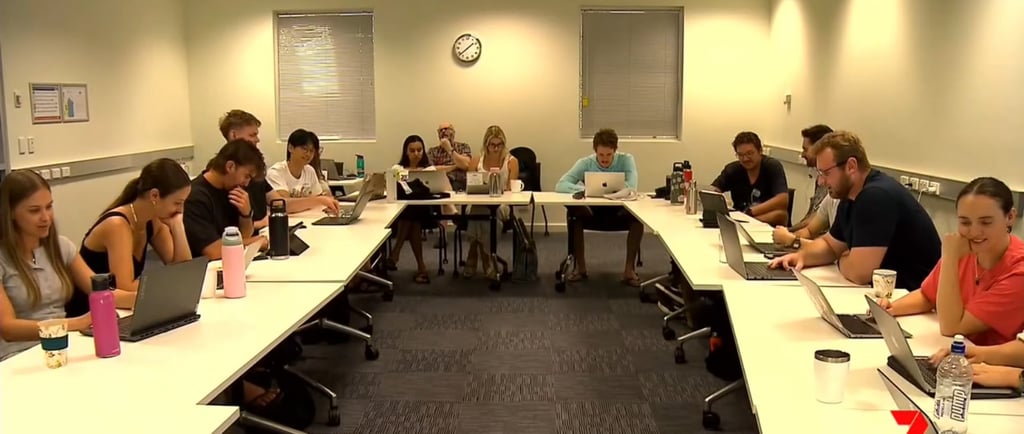
A new chapter in Western Australian healthcare is unfolding as twenty-two medical students begin their immersion into the heart of the South West. Arriving at the Edith Cowan University campus in Bunbury, these aspiring doctors are part of a larger cohort of 138 students currently distributing themselves across regional towns to address the pressing need for rural medical practitioners. With Western Australia currently supported by approximately 1,000 rural GPs, the initiative aims to cultivate a sustainable, homegrown workforce that understands the unique challenges and rewards of country practice. By placing students directly into regional clinics, the program seeks to bridge the healthcare gap and ensure that quality medical care is accessible beyond the metropolitan limits of Perth.
The strategy behind this regional placement focuses on creating a pipeline of talent that is more likely to remain in the country long-term. Students are selected through a rigorous process that identifies those with a genuine interest in rural life, ensuring that their placement is more than just a temporary academic requirement. In Bunbury, these students will work alongside experienced consultants, gaining hands-on experience that is often harder to come by in larger, crowded city hospitals. This immersion into the local community is designed to foster a sense of belonging, showing future doctors that a career in the country offers not only professional growth but a fulfilling lifestyle integrated with the people they serve.
Choosing a medical career in regional Western Australia offers a distinct advantage that many city-based internships lack: direct, one-on-one access to senior medical consultants. For the students recently arrived in Bunbury, the absence of long queues of interns and registrars means they are at the forefront of patient care from day one. This intensive mentoring environment allows for a steeper learning curve and a more personal educational experience. Students like Patrick Lee and Olivia Holmes have already noted the incredible nature of the experience, highlighting the value of being able to "cut their teeth" in an environment where their contributions are immediately felt and their learning is prioritized by seasoned professionals.
Beyond the clinical benefits, the shift to regional WA provides a deep sense of community immersion that is difficult to replicate in an urban setting. Being a doctor in a town like Bunbury means becoming a recognized and trusted member of the local fabric. This connection to the community often becomes the deciding factor for students when choosing where to settle after their studies. By removing the barriers between students and the regional populations they serve, the program is successfully demonstrating that the future of Western Australian medicine isn't just found in high-tech city hubs, but in the dedicated, community-focused practices thriving in the heart of the South West.
All rights belong to their respective owners. This article contains references and insights based on publicly available information and sources. We do not claim ownership over any third party content mentioned.
DAILY WA © 2025
Daily WA Online is an independent news and media platform covering Western Australia. Owned by TMFS International Pty Ltd., we publish local stories, business insights, lifestyle features, and community voices for the digital era.