
Calls Grow to Nominate Austin Appelbee for Bravery Award After Ocean Rescue
Australians are being urged to nominate teenager Austin Appelbee for a bravery award following his lifesaving actions during a dramatic ocean rescue.
PEOPLE & COMMUNITY
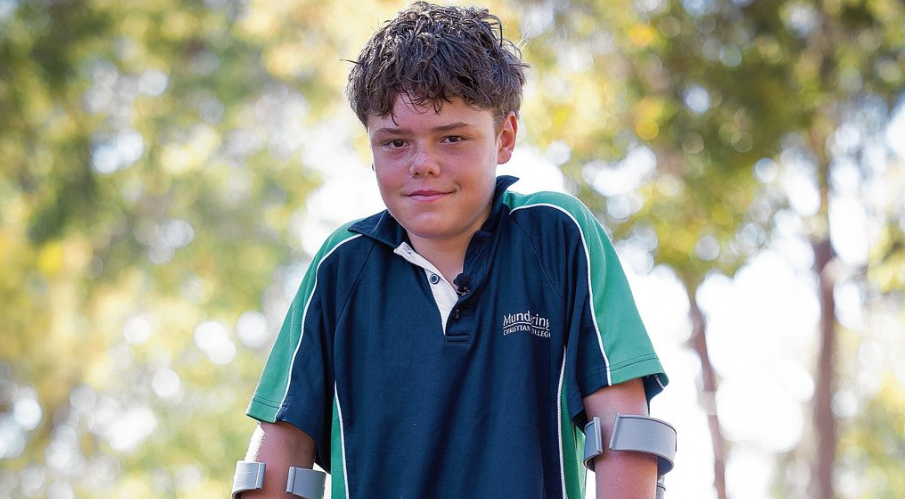
A wave of public support is building for Austin Appelbee, the teenager credited with a courageous ocean rescue that has since drawn national attention. Australians are now being encouraged to nominate him for a formal bravery award in recognition of what many describe as instinctive and selfless action under pressure.
The rescue unfolded in challenging surf conditions, where strong currents and unpredictable waves placed swimmers at serious risk. Witnesses say Appelbee entered the water without hesitation when he realised someone was in distress. In circumstances where seconds can determine outcomes, his decision to act proved critical.
Ocean rescues are inherently dangerous, even for trained professionals. Rip currents, shifting sandbanks, and heavy swell can overwhelm experienced swimmers. For a teenager to respond decisively in such an environment has resonated deeply with beachgoing communities.
Authorities have previously highlighted the importance of situational awareness and personal safety when assisting others in the water. While professional lifesavers are trained to manage complex conditions, spontaneous acts of rescue carry significant personal risk. In this case, the teenager’s intervention is credited with preventing potential tragedy.
Public calls for nomination focus not only on the physical act itself, but on the character it reflects. Bravery awards exist to formally acknowledge individuals who act beyond ordinary expectation, placing the safety of others ahead of their own comfort.
Australia maintains a structured honours system through which civilians can be recognised for acts of courage. Nominations typically involve detailed accounts of the incident, supporting evidence, and official review before awards are granted. Community endorsement often plays a role in bringing such actions to broader attention.
The story has also reignited conversations about surf safety and preparedness. Beaches remain central to Australian culture, yet the ocean’s unpredictability demands respect. Education around rips, flagged swimming areas, and emergency response continues to be emphasised by lifesaving organisations.
For many observers, the significance of Appelbee’s actions lies in their immediacy. Courage is often imagined as deliberate and planned. In reality, it frequently manifests in split second decisions driven by empathy and resolve.
In Australia, stories of coastal heroism form part of a broader national narrative. Surf lifesaving has long been embedded in community identity, with volunteers and professionals patrolling thousands of kilometres of coastline each year. Acts of bravery outside formal patrols reinforce that culture of mutual care.
At TMFS, we observe that public recognition of courage serves a wider purpose. It affirms shared values and reminds communities that individual action can have profound impact. Celebrating such moments strengthens social cohesion and reinforces positive role models.
As nomination calls circulate, the focus remains on acknowledging a young person who stepped forward when it mattered. Whether or not a formal award follows, the rescue has already earned widespread admiration.
In moments when danger meets decisiveness, character becomes visible. For many Australians, Austin Appelbee’s actions exemplify the quiet courage that defines community at its best.
All rights belong to their respective owners. This article contains references and insights based on publicly available information and sources. We do not claim ownership over any third party content mentioned.
DAILY WA © 2025
Daily WA Online is an independent news and media platform covering Western Australia. Owned by TMFS International Pty Ltd., we publish local stories, business insights, lifestyle features, and community voices for the digital era.