
Community Groups Unite to Build New Youth Learning Hub Focused on Opportunity and Belonging
Community organisations have joined forces to develop a new youth learning hub, aiming to create a safe, supportive space that expands education access, skills development, and long term opportunity for young people.
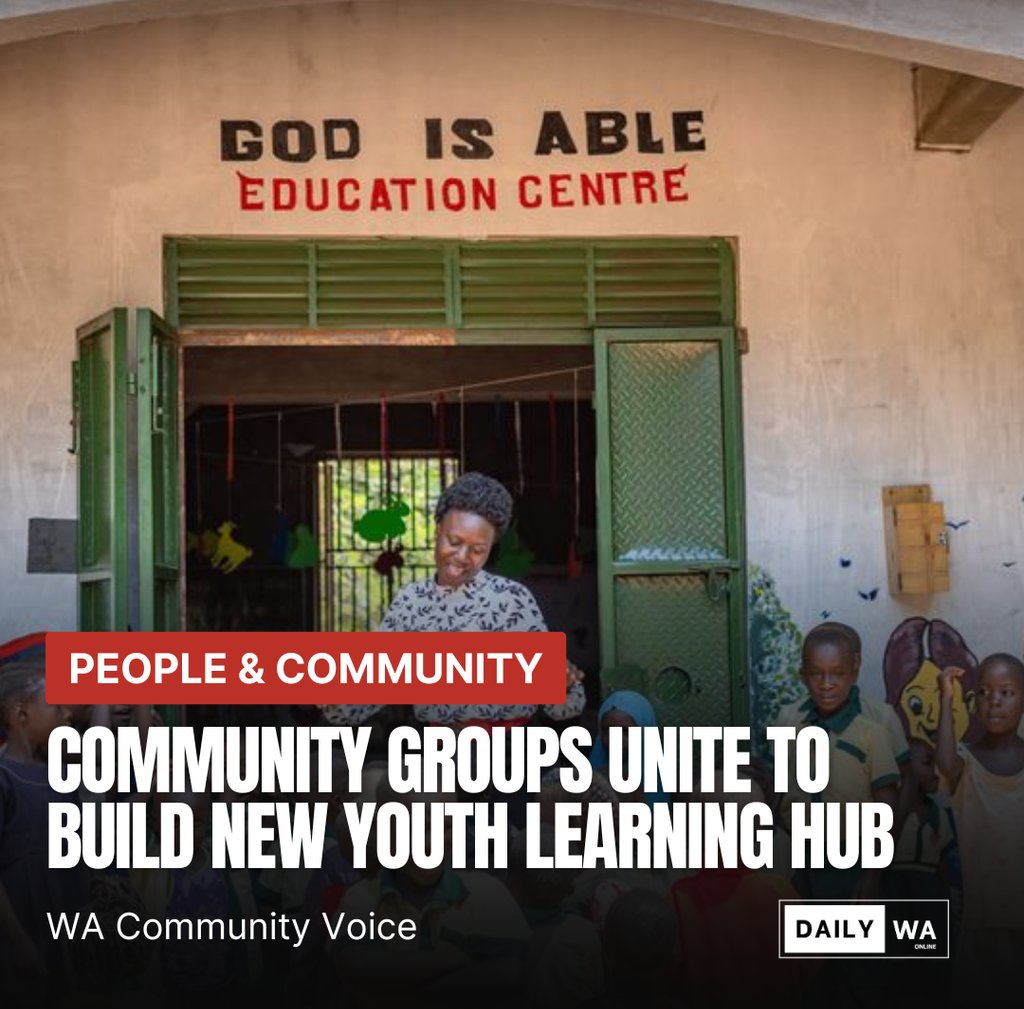
Across Western Australia, community led initiatives are increasingly stepping in where need and opportunity intersect. The announcement of a new youth learning hub, driven by collaboration between local community groups, reflects this shift. It is a response not only to educational gaps, but to the growing recognition that young people thrive when learning is connected to belonging, support, and real world pathways.
The proposed hub is designed as more than a classroom. Organisers envision a flexible space where education, mentoring, and personal development operate side by side. Programs are expected to focus on practical skills, digital literacy, creative learning, and academic support, while also addressing confidence, wellbeing, and social connection. This integrated approach reflects lessons learned from community based education models that prioritise the whole person rather than isolated outcomes.
Community leaders involved in the project say the initiative grew from shared concern about disengagement among young people, particularly those facing barriers linked to socioeconomic pressure, disrupted schooling, or limited access to support services. Rather than waiting for external solutions, groups pooled resources, expertise, and local knowledge to create something tailored to their community’s needs.
The collaborative nature of the project is central to its strength. Different organisations bring different capabilities, from education and youth work to mental health support and employment pathways. By working together, they aim to reduce duplication and create clearer, more consistent support for young people navigating complex systems.
Youth learning hubs have gained attention as effective spaces for early intervention. When young people have access to trusted adults, structured learning, and peer support in a non judgemental environment, engagement improves. Outcomes often extend beyond education, influencing employment readiness, community participation, and long term resilience.
Importantly, the hub is being shaped with youth input. Organisers say young people have been consulted on design, programming, and priorities, ensuring the space reflects how they learn and connect. This approach recognises that lasting engagement comes from ownership, not prescription.
The initiative also highlights the role of community infrastructure in addressing broader social challenges. Education does not operate in isolation. Housing stability, mental health, family support, and economic opportunity all influence learning outcomes. Community based hubs can respond to these intersections more flexibly than traditional institutions alone.
Funding and sustainability remain key considerations. Community leaders are working with partners to secure long term support, recognising that short term programs rarely deliver lasting change. Stability allows trust to build, relationships to deepen, and impact to compound over time.
From a broader perspective, the project reflects a shift in how communities approach youth development. Rather than focusing solely on risk, the hub emphasises potential. It positions young people not as problems to be managed, but as contributors to be supported and invested in.
At TMFS, we observe that the most effective community initiatives are those grounded in local insight and shared responsibility. When organisations align around a common purpose, they can create systems of support that feel accessible rather than imposed. Youth learning hubs exemplify this principle by meeting young people where they are and building pathways forward.
As planning moves toward implementation, the focus will be on translating vision into delivery. Community members are hopeful the hub will become a lasting fixture, offering continuity in a landscape where support is often fragmented.
The uniting of community groups around this project sends a clear message. When local leadership, collaboration, and commitment come together, meaningful change is possible. For the young people who will walk through the doors of the new learning hub, that change may shape not just their education, but their sense of possibility.
All rights belong to their respective owners. This article contains references and insights based on publicly available information and sources. We do not claim ownership over any third party content mentioned.
DAILY WA © 2025
Daily WA Online is an independent news and media platform covering Western Australia. Owned by TMFS International Pty Ltd., we publish local stories, business insights, lifestyle features, and community voices for the digital era.