
Death in custody: Casuarina prisoner dies in hospital after suffering from terminal illness
A prisoner from Casuarina has died in hospital after suffering from a terminal illness, with authorities confirming the death is subject to standard review processes.
OPINION & VOICES
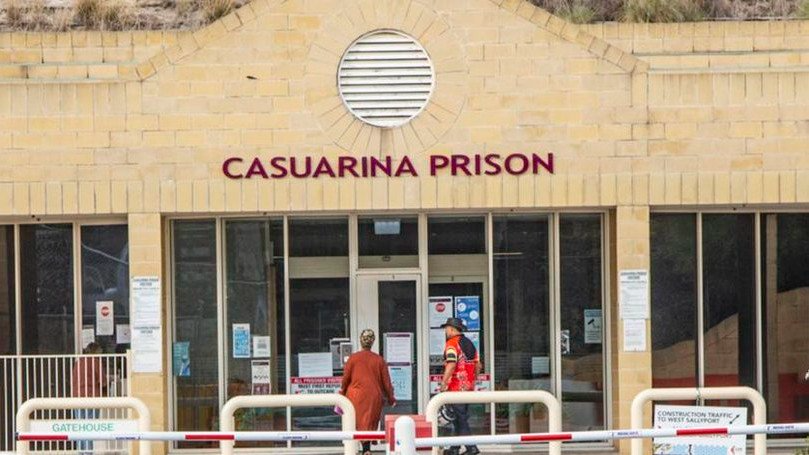
A prisoner from Casuarina Prison has died in hospital after battling a terminal illness, prompting the commencement of routine custodial death review procedures.
Corrective services authorities confirmed the inmate had been receiving medical care prior to being transferred to hospital, where he later passed away. While the death is not being treated as suspicious, it will be subject to established oversight processes that apply whenever a person dies while in custody.
In Western Australia, all deaths in custody are automatically reported to the Coroner. This framework is designed to ensure transparency, independent examination, and public accountability. Even in cases involving terminal illness, authorities follow formal procedures to confirm the circumstances and standard of care provided.
Deaths in custody remain highly sensitive events. They carry legal, ethical, and public interest dimensions that extend beyond individual cases. Transparency in reporting and review is essential to maintaining confidence in correctional and health systems.
Prisoners with serious or terminal medical conditions are typically managed in coordination with health professionals, with decisions made about treatment, hospital transfers, and palliative care where required. Correctional facilities operate under duty of care obligations, requiring them to provide appropriate medical attention consistent with community standards.
Advocacy groups have long emphasised the importance of adequate healthcare access within custodial settings, particularly for inmates with chronic or life limiting illnesses. The transfer to hospital in this case indicates that medical escalation protocols were followed as the illness progressed.
Under Western Australian law, the Coroner’s investigation will assess the cause of death and examine whether there were any systemic issues that warrant recommendation. Such reviews are not limited to determining cause. They often consider broader procedural or health service factors to identify areas for improvement.
The death also underscores the complexity of managing ageing and medically vulnerable prison populations. As inmate demographics shift, correctional systems increasingly face challenges related to chronic illness, mental health, and long term care.
Authorities have extended condolences to the family of the deceased. While privacy considerations limit the release of detailed personal information, officials have confirmed that established notification procedures were followed.
In Western Australia, custodial deaths are subject to public reporting and independent scrutiny as part of accountability mechanisms. These processes exist to ensure that detention does not remove an individual’s right to appropriate care and legal oversight.
At TMFS, we observe that institutional accountability is reinforced through transparency. Even where natural causes are involved, review mechanisms serve a broader purpose by strengthening system integrity and public trust.
As the Coroner’s inquiry proceeds, further details may be released regarding medical history and care pathways. For now, authorities have confirmed that the death occurred following a terminal illness and that standard procedures are underway.
All rights belong to their respective owners. This article contains references and insights based on publicly available information and sources. We do not claim ownership over any third party content mentioned.
DAILY WA © 2025
Daily WA Online is an independent news and media platform covering Western Australia. Owned by TMFS International Pty Ltd., we publish local stories, business insights, lifestyle features, and community voices for the digital era.