
Declining Birth Rates in Southern Right Whales Raise Fresh Concerns for Marine Researchers
A new study has revealed declining birth rates among southern right whales, prompting concern among researchers about long term population recovery and the pressures facing marine ecosystems.
NEWS & CURRENT AFFAIRS
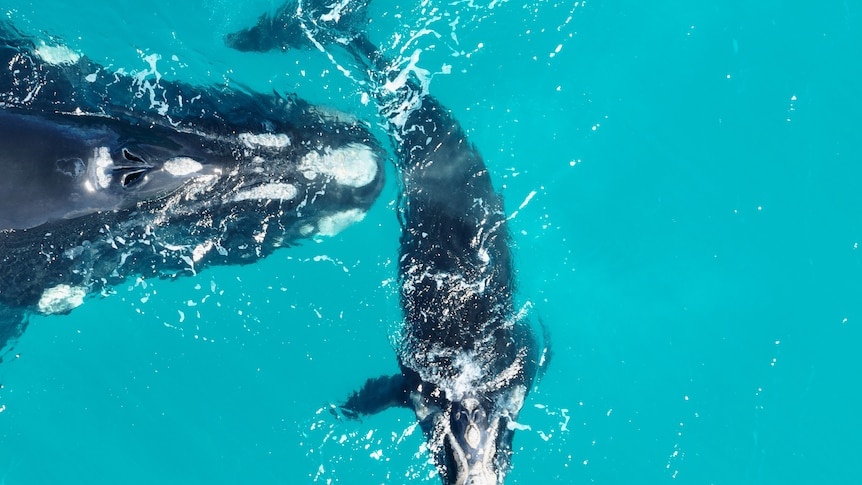
A new scientific study has identified a troubling trend in southern right whale populations, with researchers reporting a decline in birth rates that could slow long term recovery efforts for the species.
Southern right whales were once driven to near extinction by commercial whaling. Decades of protection allowed populations to gradually rebuild, particularly along Australia’s southern coastline. The latest findings, however, suggest that progress may be stalling as fewer calves are being recorded in key breeding areas.
Researchers monitoring calving grounds have observed reduced numbers of mother calf pairs compared with previous peak years. While natural fluctuations occur in marine populations, the downward pattern has persisted long enough to trigger concern. Scientists are now examining environmental and ecological factors that may be contributing.
Food availability is one potential influence. Southern right whales rely on nutrient rich feeding grounds in colder waters. Changes in ocean temperature and prey distribution can disrupt feeding success, which in turn affects reproductive health. Insufficient energy reserves may delay or reduce successful pregnancies.
Climate variability is also under scrutiny. Shifts in ocean currents, warming waters, and altered migration timing can influence breeding cycles. Marine ecosystems are highly interconnected, meaning that stress in one area often cascades through others.
In Australian waters, southern right whales are a familiar sight during migration seasons, particularly along parts of Western Australia and South Australia. Coastal communities have come to associate their presence with conservation success. Declining birth rates therefore carry symbolic as well as biological weight.
Researchers stress that the species is not facing immediate extinction risk, but reduced calving rates slow recovery momentum. Population growth depends heavily on consistent reproductive success, especially for long lived species with extended breeding intervals.
Human related pressures may also play a role. Vessel traffic, noise pollution, and entanglement risks remain persistent challenges in busy coastal zones. While regulations aim to mitigate impact, cumulative stressors can influence behaviour and health over time.
Long term monitoring programs are central to understanding the trend. Scientists rely on aerial surveys, photographic identification, and population modelling to track individuals and calving frequency. Consistent data collection enables early detection of shifts before they become irreversible declines.
The findings reinforce the importance of adaptive conservation strategies. Protecting feeding and breeding habitats, reducing marine pollution, and maintaining strict vessel interaction guidelines are all part of the response framework. Continued funding for research ensures that emerging risks are identified quickly.
At TMFS, we observe that conservation success is rarely linear. Gains achieved through protection can plateau or reverse when environmental conditions change. Vigilance and sustained commitment are essential to safeguarding progress.
Southern right whales represent resilience. Their recovery from historical exploitation stands as one of marine conservation’s notable achievements. The recent study serves as a reminder that protection must evolve alongside shifting ocean realities.
As researchers deepen their analysis, the priority remains clear. Understanding the drivers behind declining birth rates is the first step toward stabilising them. Ensuring that future generations witness mother and calf pairs along Australia’s southern coastline depends on timely action informed by science.
All rights belong to their respective owners. This article contains references and insights based on publicly available information and sources. We do not claim ownership over any third party content mentioned.
DAILY WA © 2025
Daily WA Online is an independent news and media platform covering Western Australia. Owned by TMFS International Pty Ltd., we publish local stories, business insights, lifestyle features, and community voices for the digital era.