
Extreme Heatwaves Are Becoming a Major Threat to Australia’s Food Supply
Extreme heat is increasingly disrupting Australia’s food production, affecting crops, livestock, and supply chains throughout the year, not just during summer.
TECHNOLOGY & INNOVATION
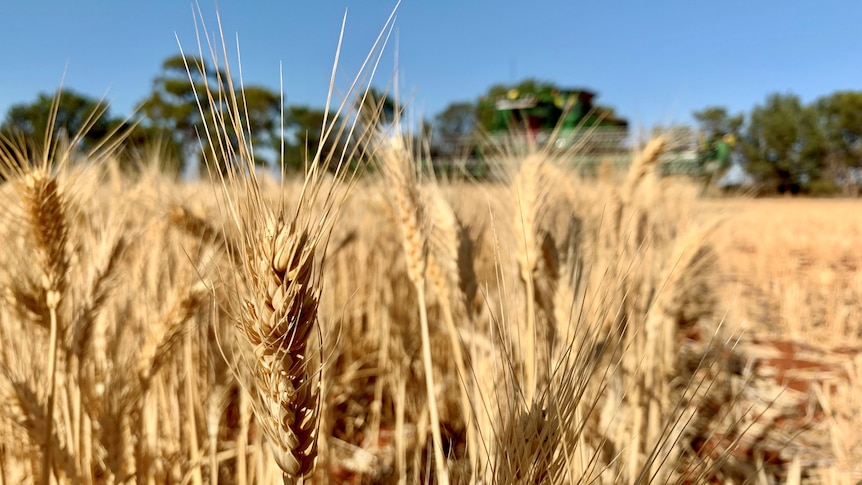
Extreme heatwaves are emerging as one of the biggest threats to Australia’s food system, with scientists warning that rising temperatures are affecting agricultural production far beyond the traditional summer months.
While droughts and bushfires often dominate discussions about climate risks, researchers say prolonged and unseasonal heat events are becoming a growing challenge for farmers across Australia.
The impact is being felt across crop production, livestock farming, and food supply chains, raising concerns about future food security and affordability.
Heatwaves Are No Longer Just a Summer Problem
Traditionally, Australian farmers expected the highest temperatures during summer.
However, climate patterns are increasingly producing extreme heat during spring, autumn, and even periods that were previously considered relatively mild.
These unexpected temperature spikes can disrupt crucial stages of plant growth and reduce agricultural yields before harvest season arrives.
For many producers, timing has become just as important as intensity.
Crops Are Under Growing Pressure
Many crops are highly sensitive to temperature changes during flowering and fruit development.
When extreme heat strikes at critical moments, farmers can experience:
Lower yields
Reduced fruit quality
Smaller harvests
Crop failures
Increased irrigation demand
Horticultural industries, including fruit, vegetable, and grain production, are particularly vulnerable to prolonged heat stress.
Regions across Victoria, New South Wales, and Western Australia have already experienced significant agricultural challenges linked to unusual heat events.
Livestock Also Face Serious Risks
Heatwaves affect more than crops.
Livestock can suffer from:
Reduced productivity
Lower fertility rates
Increased disease risks
Heat stress
Higher mortality rates
Dairy cattle, poultry, and sheep are particularly vulnerable when temperatures remain elevated for extended periods.
Farmers often face increased costs associated with cooling systems, water supply, and animal welfare measures during extreme weather.
Food Prices Could Be Affected
When agricultural production declines, the effects often extend beyond farms.
Lower harvest volumes can contribute to:
Higher food prices
Supply shortages
Increased import reliance
Greater market volatility
Consumers may notice rising costs for fresh produce and other agricultural products when extreme weather disrupts supply.
Food security experts warn that climate-related agricultural disruptions could become more frequent as temperatures continue rising.
Adaptation Is Becoming Essential
Australian farmers are increasingly adopting strategies to manage heat-related risks.
These include:
Heat-resistant crop varieties
Improved irrigation systems
Advanced weather forecasting
Shade infrastructure for livestock
Precision agriculture technologies
Research organisations and agricultural experts continue developing new approaches to improve resilience across the farming sector.
A Broader Climate Challenge
The issue highlights the growing connection between climate change and food systems.
Unlike short-term weather events, recurring heatwaves can gradually reshape growing seasons, farming practices, and regional agricultural productivity.
Scientists stress that adaptation will be critical as Australia experiences more frequent and intense extreme heat events.
Extreme heatwaves are no longer simply a seasonal concern. They are becoming a year-round challenge for Australian agriculture.
From crop losses and livestock stress to rising food prices and supply chain disruptions, the impacts extend far beyond individual farms.
As climate conditions continue evolving, protecting Australia’s food supply will increasingly depend on how effectively farmers, researchers, and policymakers adapt to a hotter and less predictable future.
All rights belong to their respective owners. This article contains references and insights based on publicly available information and sources. We do not claim ownership over any third party content mentioned.
DAILY WA © 2025
Daily WA Online is an independent news and media platform covering Western Australia. Owned by TMFS International Pty Ltd., we publish local stories, business insights, lifestyle features, and community voices for the digital era.