
Families Across WA Recover After Heavy Rains Cause Widespread Disruption
Heavy rainfall across Western Australia has left families assessing damage to homes and properties, with emergency services supporting recovery efforts in affected communities.
PEOPLE & COMMUNITY
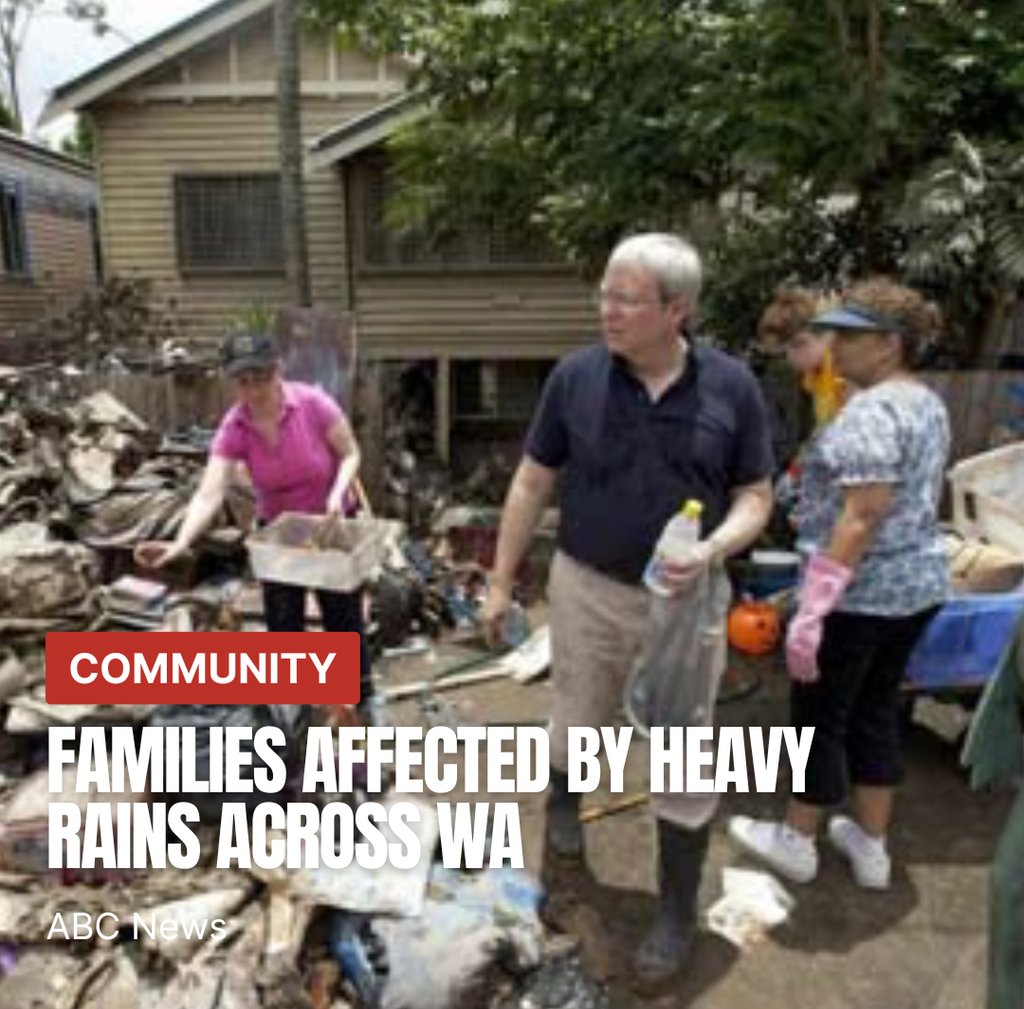
For many families across Western Australia, the recent spell of heavy rain has moved from forecast to lived experience. What began as persistent showers intensified into downpours in several regions, leaving homes waterlogged, roads cut off, and clean up efforts underway.
Emergency services were called to assist residents facing flash flooding and storm damage. In low lying suburbs and regional towns, water entered properties quickly, overwhelming drainage systems and catching some households unprepared. Volunteers and local crews worked through the night in certain areas, distributing sandbags and helping secure vulnerable homes.
The impact has varied by region. Some communities reported minor yard flooding and temporary power interruptions. Others faced more serious consequences, including damaged flooring, saturated furniture, and compromised structures. For affected families, the disruption extends beyond physical repairs. Insurance claims, temporary relocation, and financial strain add to the emotional toll.
In rural areas, swollen creeks and saturated farmland have created additional pressure. Access roads have become hazardous, complicating supply deliveries and travel. While rainfall offers long term benefit to agricultural regions, sudden intense downpours can damage crops and infrastructure.
Authorities have urged residents to avoid driving through floodwaters, reminding motorists that even shallow water can conceal hazards. Safety messaging has emphasised caution, particularly as weather systems continue to move through parts of the state.
Community resilience has been visible in the response. Neighbours have assisted with debris removal and shared resources. Local councils have coordinated waste collection for damaged household items. In challenging conditions, collective effort often accelerates recovery.
Meteorologists note that weather variability is a defining feature of Western Australia’s climate. Rapid transitions between dry spells and heavy rainfall are not uncommon. However, urban expansion and ageing infrastructure can amplify the impact of intense weather events.
For families facing repairs, the path ahead may involve weeks of drying, restoration, and administrative follow up. Support services have encouraged residents to document damage carefully and seek assistance where needed.
In Perth and surrounding regions, the event serves as a reminder of environmental unpredictability. Preparedness measures such as maintaining clear gutters and understanding local drainage patterns can reduce vulnerability, though no household is entirely immune.
At TMFS, we observe that community strength is often most visible after disruption. Recovery is not only about infrastructure but about connection and coordination.
As rain systems ease and skies clear, attention turns from immediate response to longer term rebuilding. For families affected, the focus is practical and immediate. Drying out homes. Restoring routine. Reclaiming stability after days shaped by water and uncertainty.
Heavy rain may pass quickly. Its effects linger longer. How communities respond in its aftermath defines resilience far more than the storm itself.
All rights belong to their respective owners. This article contains references and insights based on publicly available information and sources. We do not claim ownership over any third party content mentioned.
DAILY WA © 2025
Daily WA Online is an independent news and media platform covering Western Australia. Owned by TMFS International Pty Ltd., we publish local stories, business insights, lifestyle features, and community voices for the digital era.