
Firebombing Surge Sparks Calls for Tougher Laws as Organised Crime Tightens Grip in Western Australia
A spate of firebombing attacks across Western Australia has intensified calls for stronger laws, as authorities warn illicit tobacco networks are escalating violence faster than enforcement can respond.
PEOPLE & COMMUNITY
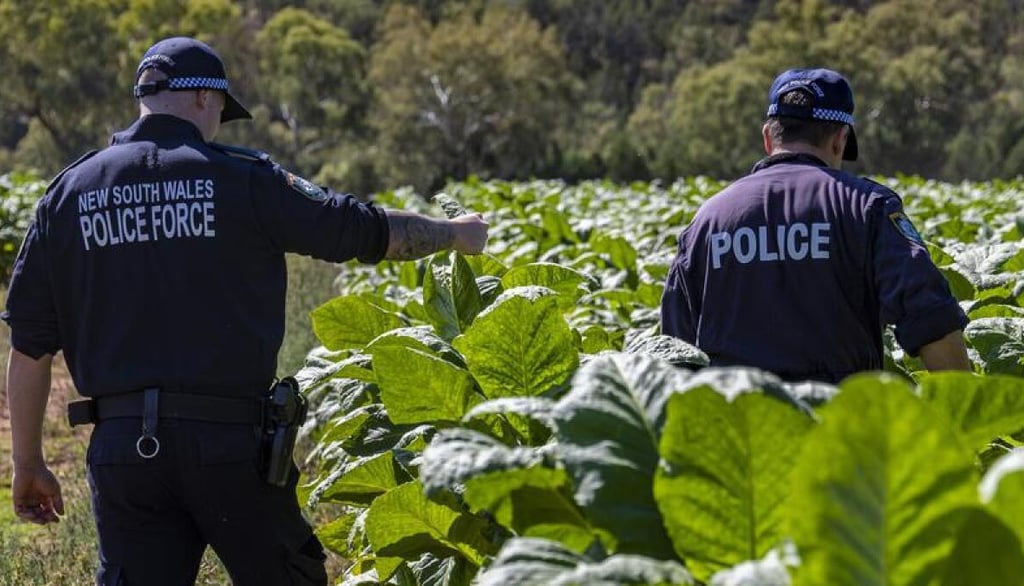
A troubling pattern is emerging across Western Australia, one that is forcing authorities and lawmakers to confront a rapidly evolving criminal threat. A series of firebombing attacks targeting businesses has raised alarm among police and community leaders, with investigators linking much of the violence to organised crime groups operating within the illicit tobacco trade. As incidents increase in frequency and boldness, concerns are mounting that existing laws are no longer sufficient to deter or disrupt these networks.
Firebombings represent a sharp escalation in criminal tactics. They are not acts of opportunism but deliberate displays of intimidation, designed to enforce control, settle disputes, or send warnings. For business owners, particularly those operating in retail and hospitality sectors, the threat is immediate and personal. Properties are damaged or destroyed, livelihoods are put at risk, and the psychological toll extends well beyond the physical impact of the attack.
Authorities in Western Australia have warned that organised crime groups involved in illicit tobacco are driving much of this violence. The illegal tobacco market has become increasingly lucrative, fuelled by high excise taxes and strong consumer demand. What was once a relatively low profile black market has evolved into a sophisticated enterprise, complete with distribution networks, enforcement mechanisms, and a willingness to use extreme violence to protect profits.
Police investigators have indicated that enforcement efforts are struggling to keep pace with the speed and adaptability of these groups. Firebombings are difficult crimes to solve. They often occur at night, involve minimal witnesses, and rely on easily sourced accelerants. Even when arrests are made, penalties may not reflect the severity or broader impact of the crime, limiting their deterrent effect.
The growing number of attacks has prompted renewed calls for tougher laws, including stronger penalties for arson linked to organised crime and expanded powers to target the financial structures underpinning illicit networks. Law enforcement agencies argue that without sharper legal tools, they remain in a reactive position, responding to incidents rather than preventing them.
The risk extends beyond individual targets. Firebombings place entire communities in danger. Blazes can spread unpredictably, endangering neighbouring businesses, residences, and emergency responders. In dense urban areas, the potential for loss of life is significant. Each attack tests not only policing capacity but public confidence in safety and order.
The connection to illicit tobacco highlights a broader policy challenge. Criminal markets thrive where regulation, enforcement, and economic incentives intersect imperfectly. As legal tobacco becomes more expensive, illegal alternatives become more attractive, creating space for organised crime to expand. Addressing the violence therefore requires more than policing alone. It demands coordinated action across taxation, border control, financial crime investigation, and community protection.
Business groups have increasingly voiced concern, warning that repeated attacks create a climate of fear that discourages investment and undermines local economies. Small business owners, often operating on narrow margins, are particularly vulnerable. The cost of repairs, insurance complications, and lost trade can be devastating, even when no one is physically harmed.
From a strategic perspective, the situation underscores how organised crime evolves faster than static systems. Networks learn, adapt, and exploit gaps, especially when profits are high and risks manageable. Effective response depends on disrupting incentives, increasing consequences, and improving intelligence sharing across agencies.
At TMFS, we see parallels across sectors facing complex risk environments. When threats escalate and systems lag, resilience is tested. Sustainable solutions require clarity of authority, alignment between policy and enforcement, and the willingness to update frameworks as conditions change. Criminal behaviour does not stand still. Neither can the response.
Authorities continue to investigate recent firebombings, with dedicated taskforces focusing on links between incidents and organised crime figures. Yet police have been clear that enforcement alone cannot solve the problem without legislative support. The call for tougher laws reflects a recognition that the stakes have changed.
The surge in firebombing attacks is more than a crime wave. It is a signal that illicit markets have reached a level of organisation and confidence that demands a stronger response. How Western Australia addresses this challenge will shape not only public safety, but the balance between lawful commerce and criminal influence in the years ahead.
For communities and businesses caught in the middle, the message is stark. This is no longer isolated criminal damage. It is a coordinated threat that requires coordinated action. The decisions made now will determine whether organised crime continues to escalate or is forced back into the shadows.
All rights belong to their respective owners. This article contains references and insights based on publicly available information and sources. We do not claim ownership over any third party content mentioned.
DAILY WA © 2025
Daily WA Online is an independent news and media platform covering Western Australia. Owned by TMFS International Pty Ltd., we publish local stories, business insights, lifestyle features, and community voices for the digital era.