
Genocide Proceedings Begin at the International Court of Justice as Rohingya Case Enters Global Spotlight
Proceedings have commenced at the International Court of Justice over allegations of genocide against the Rohingya people in Myanmar, marking a pivotal moment for international accountability and human rights law.
PEOPLE & COMMUNITY
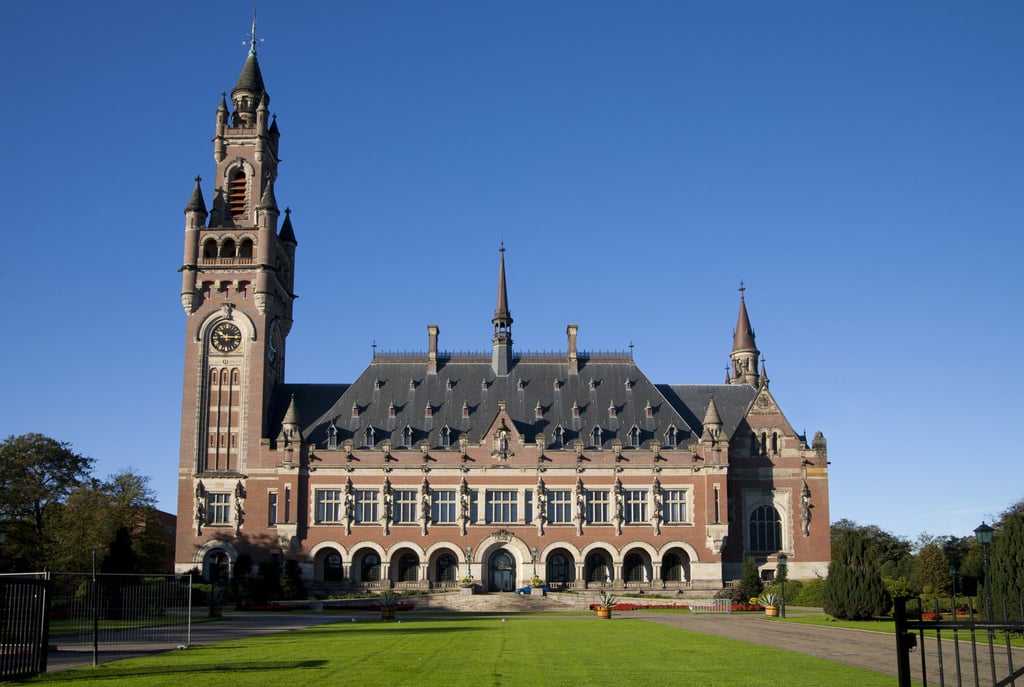
Moments that reshape international law rarely unfold quickly, but when they do begin, they carry lasting significance. Proceedings have now formally commenced at the International Court of Justice into allegations of genocide committed against the Rohingya people in Myanmar. The case has drawn global attention, not only for the gravity of the accusations, but for what it represents in the pursuit of accountability for mass human rights violations.
The Rohingya crisis has been one of the most severe humanitarian tragedies of the past decade. Hundreds of thousands were forced to flee their homes following military operations that included allegations of mass killings, sexual violence, and the destruction of entire villages. While the human cost has been visible for years through refugee camps and international reporting, legal accountability has remained elusive. The commencement of proceedings at the ICJ marks a shift from documentation to adjudication.
The significance of the case lies in both its substance and its setting. The ICJ is the principal judicial body of the United Nations, tasked with resolving disputes between states and interpreting international law. Genocide cases before the court are rare and complex, requiring a high threshold of proof and careful consideration of intent, state responsibility, and legal obligation. That this case has reached the courtroom signals the seriousness with which the allegations are being treated.
International law moves deliberately, and outcomes are not immediate. The proceedings will focus on whether Myanmar breached its obligations under the Genocide Convention, including the duty to prevent acts of genocide and to protect vulnerable populations. Even at this early stage, the case reinforces a core principle of international law. That sovereignty does not shield states from scrutiny when fundamental human rights are at stake.
Global attention on the hearings reflects broader frustration with the limits of international enforcement. For many observers, the Rohingya case has come to symbolise the gap between moral outrage and legal consequence. The ICJ process does not promise instant justice for victims, but it does create an authoritative legal record and a framework for responsibility that can influence diplomatic, economic, and political pressure.
There is also a symbolic weight to the proceedings. For displaced Rohingya communities, the case represents recognition. Recognition that their suffering is not forgotten and that it carries legal significance beyond humanitarian appeals. For the international community, it tests whether existing legal institutions can respond meaningfully to crimes of this scale.
The case arrives at a time when global confidence in international norms is under strain. Conflicts, displacement, and human rights abuses continue to challenge the credibility of multilateral systems. In this context, the ICJ proceedings serve as a reminder of why international law exists. Not as a guarantee of justice, but as a mechanism to pursue it when political solutions fail.
Critics often point to the limitations of the court. It has no enforcement arm and relies on state cooperation. Yet its influence should not be underestimated. ICJ rulings shape international behaviour by establishing legal standards, informing sanctions regimes, and guiding future cases. They also contribute to historical accountability, ensuring that allegations are examined within a formal legal framework rather than fading into abstraction.
From a broader perspective, the proceedings highlight the evolving role of international courts in addressing mass atrocity. Accountability is increasingly pursued through legal avenues alongside humanitarian and diplomatic efforts. This reflects a growing expectation that violations of fundamental rights will be judged not only in the court of public opinion, but in courts of law.
At TMFS, we observe similar dynamics in systems where trust, legitimacy, and long term stability depend on accountability. Whether in governance, institutions, or international relations, the absence of consequence weakens norms over time. Legal processes, even slow ones, help reinforce boundaries that define acceptable conduct.
As the case progresses, attention will turn to evidence, legal arguments, and the court’s eventual determinations. Whatever the outcome, the commencement of proceedings is itself a milestone. It affirms that allegations of genocide are not beyond the reach of law and that international institutions remain a forum, however imperfect, for confronting the gravest crimes.
The Rohingya case at the International Court of Justice will not resolve the humanitarian crisis overnight. But it places accountability at the centre of the global response. In doing so, it reinforces a fundamental idea. That justice, even when delayed, remains a necessary pursuit in the face of profound human suffering.
All rights belong to their respective owners. This article contains references and insights based on publicly available information and sources. We do not claim ownership over any third party content mentioned.
DAILY WA © 2025
Daily WA Online is an independent news and media platform covering Western Australia. Owned by TMFS International Pty Ltd., we publish local stories, business insights, lifestyle features, and community voices for the digital era.