
‘Groundbreaking’ AI Tool Helping Rangers Protect Native Species Faster
A new AI powered tool is transforming how Victorian rangers monitor and protect native wildlife, dramatically reducing the time needed to track species and respond to threats.
TECHNOLOGY & INNOVATION
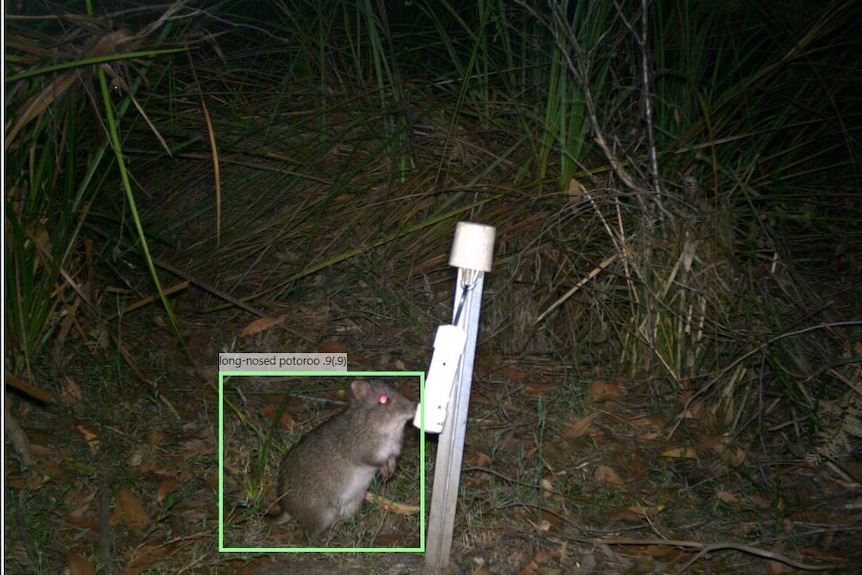
Protecting wildlife has always relied on patience, fieldwork, and careful observation. Now, technology is changing that balance. In the state of Victoria, rangers are using a new artificial intelligence tool that is significantly speeding up how native species are monitored and protected.
Traditionally, conservation teams relied on camera traps and manual data review. Rangers would collect thousands of images from remote sensors and spend hours, sometimes days, sorting through them to identify animals. The process was slow, labour intensive, and often delayed critical insights.
The new AI system changes that. Using image recognition technology, it can automatically scan and classify wildlife captured in camera trap footage. Instead of manually reviewing every image, rangers receive near real time data about which species have been detected and where.
This has major implications for conservation work. Faster identification means quicker response times when threatened species are spotted or when invasive animals appear in protected areas. It also allows rangers to track population trends more efficiently over time.
In ecosystems across Australia, where biodiversity faces pressure from habitat loss, climate change, and introduced species, speed and accuracy are becoming increasingly important. The ability to process large volumes of environmental data quickly gives conservation teams a stronger advantage.
The AI tool is also helping reduce human error. Automated systems can consistently identify species based on trained datasets, improving accuracy when dealing with large image libraries. Rangers can then focus their attention on decision making rather than data sorting.
Another benefit lies in resource allocation. Conservation teams often operate with limited staff and funding. By reducing the time spent on manual analysis, more effort can be directed toward on ground action such as habitat restoration and species protection.
Technology like this is part of a broader shift toward data driven conservation. Sensors, drones, and AI systems are increasingly being used to monitor ecosystems in ways that were not possible a decade ago.
There are still challenges to consider. AI systems depend on high quality training data and ongoing refinement to ensure accuracy across different environments and species. Human oversight remains essential to validate results and guide conservation strategies.
At TMFS, we observe that innovation becomes most powerful when it enhances human expertise rather than replacing it. In this case, AI is acting as a tool that extends the reach and effectiveness of rangers working to protect Australia’s unique wildlife.
Early results suggest the technology could reshape conservation practices if adopted more widely. What once took weeks of manual effort can now be achieved in a fraction of the time.
For rangers on the ground, that time saved can make a real difference. In conservation, timing often determines outcomes. And with the help of AI, those outcomes may increasingly tilt in favour of the species being protected.
All rights belong to their respective owners. This article contains references and insights based on publicly available information and sources. We do not claim ownership over any third party content mentioned.
DAILY WA © 2025
Daily WA Online is an independent news and media platform covering Western Australia. Owned by TMFS International Pty Ltd., we publish local stories, business insights, lifestyle features, and community voices for the digital era.