
Hidden Chemicals in Clothing Raise Transparency Concerns
Experts warn that many everyday clothing items may contain chemical contaminants, yet brands are not always required to disclose full material and treatment details to consumers.
TECHNOLOGY & INNOVATION
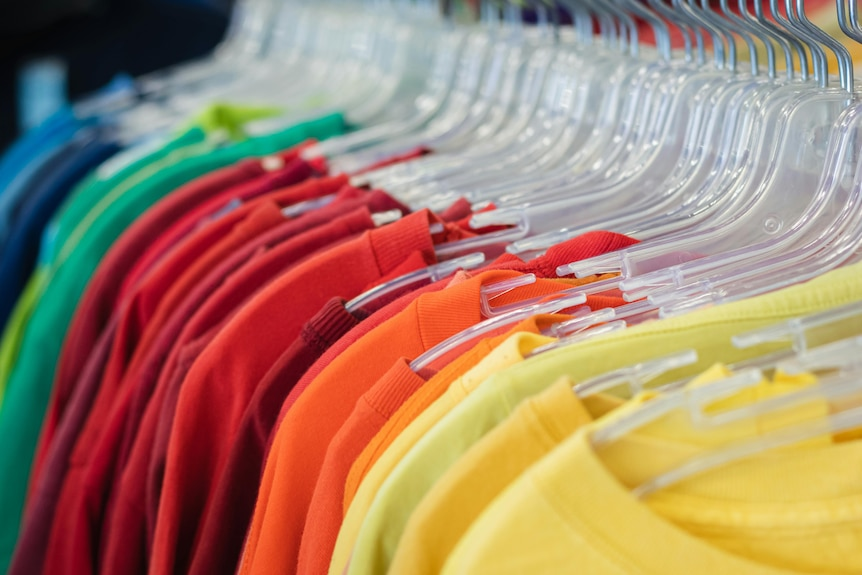
Most people check clothing labels for size, fabric type, or washing instructions. What those labels rarely show is what else might be embedded in the material. Growing research suggests that many garments can contain chemical residues or treatments that consumers are never told about.
Modern clothing production often involves a complex mix of dyes, finishes, and processing agents. These can include water resistant coatings, stain repellents, wrinkle resistant treatments, and colour fixatives. While these features improve durability and appearance, they can also introduce substances that remain in the fabric after manufacturing.
One group of concern is per and polyfluoroalkyl substances, often referred to as PFAS. These are sometimes used to make fabrics resistant to water or stains. They are known for their persistence in the environment and have been linked in some studies to potential health risks with long term exposure.
Synthetic fibres such as polyester and nylon also raise separate issues. When washed, they can release microplastics into waterways. These particles are too small to be filtered effectively and can accumulate in ecosystems over time.
In many countries, including Australia, regulations require disclosure of basic fibre composition but do not always mandate full transparency about chemical treatments used during production. This means consumers may have limited visibility into what their clothing contains beyond the headline material.
Industry groups argue that safety standards are in place and that chemicals used in textile production must comply with regulatory limits. However, consumer advocates say that lack of disclosure makes it difficult for individuals to make informed choices, especially those concerned about skin sensitivity or environmental impact.
The issue also connects to the rise of fast fashion. High volume, low cost production cycles can prioritise efficiency and appearance, sometimes at the expense of deeper transparency about manufacturing processes.
Some brands have begun responding to these concerns by promoting “clean” or certified textiles, using independent standards that limit harmful substances. Labels such as OEKO-TEX or similar certifications aim to reassure consumers about chemical safety, though adoption is not universal.
For individuals, small changes can reduce potential exposure. Washing new clothes before wearing them, choosing natural fibres when possible, and supporting brands with transparent sourcing practices are commonly suggested steps.
At TMFS, we observe that consumer awareness often drives industry change. When buyers begin asking what is in their products, transparency tends to follow.
The broader conversation is shifting from what clothes look like to what they contain. As research continues and awareness grows, pressure may increase on brands and regulators to provide clearer information.
For now, the reality is simple. What you wear may involve more than just fabric, even if the label does not say so.
All rights belong to their respective owners. This article contains references and insights based on publicly available information and sources. We do not claim ownership over any third party content mentioned.
DAILY WA © 2025
Daily WA Online is an independent news and media platform covering Western Australia. Owned by TMFS International Pty Ltd., we publish local stories, business insights, lifestyle features, and community voices for the digital era.