
Honouring Coastal Champions: Western Australia Opens Nominations for 2025 Coastal Awards
With its coastline under mounting pressures, Western Australia invites nominations to the 2025 Coastal Awards for Excellence, celebrating those who safeguard, restore, and innovate along the coast. Article by DailyWAOnline Writer
PEOPLE & COMMUNITY
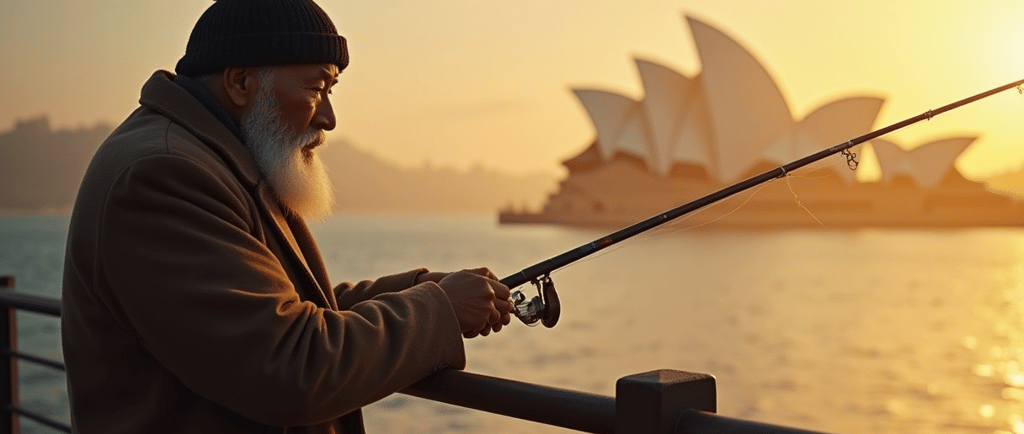
From windswept dunes to teeming estuaries, Western Australia’s coastline is a frontier of hope and risk. Rising sea levels, human development, erosion, pollution, and climate shifts press upon this boundary where land meets sea. In that zone of tension, individuals, communities, and institutions are stepping in as guardians. Now, with the 2025 WA Coastal Awards for Excellence open for nominations, Western Australia signals that these champions deserve more than quiet gratitude — they deserve recognition and amplification.
This is more than an awards roll call. It is a narrative anchor: when a government elevates stories of conservation, adaptation, design, and community stewardship, it primes attention, legitimacy, and momentum. TMFS views such signals not as public relations, but as strategic architecture: they shape values, invest in identity, and channel energy into action.
The coastline is a living canvas of tension. It is where human settlement, recreation, industry, and ecology overlap. In Western Australia the coastline spans thousands of kilometers — a vast margin demanding vigilance. The WA Coastal Awards, delivered under the CoastWA program via the Western Australian Planning Commission, exist precisely to uplift work that responds to those pressures.
These awards invite nominations across five categories:
Coastal Champion
Coastal Planning and Design
Coastal Management
Education, Engagement, Science and Research
Coastal Adaptation
Western Australian Government
That breadth is intentional. It sends a signal: safeguarding coastlines is not just an engineering or regulatory project. It is a mosaic of community action, scientific insight, creative planning, and adaptive resilience. Without that pluralism, efforts remain siloed and vulnerable to disruption.
Past recipients show what is possible. In 2022, winners ranged from community foreshore restoration groups to local governments reimagining coastal hazards.
Those stories offer guiding light for aspiring champions: you do not need a megaproject, but a compelling idea, clear outcomes, and community relevance.
Importantly, nominations close on 28 August 2025 at 4 pm.
The winners will be announced at the WA Coastal Forum on 27 October 2025 at the Coogee Beach Surf Life Saving Club.
If you or your community are engaged in coastal work, this is your window.
Stories That Inspire Action
Imagine a small coastal town where erosion threatened heritage paths, native dunes, and public access. A volunteer group planted dune grasses, installed signage, and tracked sand migration over years — lowering erosion, restoring native vegetation, and reengaging local youth. That is a Coastal Champion story.
Picture a university research team deploying sensors, modeling future shoreline shifts under sea level scenarios, and guiding local councils in adaptive setbacks. That is Education, Engagement, Science and Research in full force.
Envision a coastal city redesigning public access, reinforcing dunes, and integrating green infrastructure to absorb storm surges. That is Coastal Planning and Design.
These are not ideal abstractions. They are happening now along WA’s coast. Each project holds meaning to local residents, but when elevated it lifts the discourse regionally and nationally. It primes other actors — councils, developers, NGOs — to replicate, support, or scale.
From a data lens, success stories can seed comparative metrics: hectares rehabilitated, species returned, infrastructure preserved, community events held, or adaptation strategies implemented. These quantitative anchors help convert narrative momentum into policy leverage. TMFS emphasis is always on bridging story and outcome.
The Impact of Recognition
Recognition matters deeply. It validates often underfunded, volunteer-driven efforts. It amplifies outreach. It creates ripples. A coastal project that once operated quietly may attract regional funding, media attention, or policy interest once it is framed as exemplary.
Moreover, by promoting examples, the government shapes a cultural reference. When the public hears “coastal award winner,” they internalize that coastal stewardship is not niche — it is mainstream civic virtue. That shift in public imagination is foundational for long-term sustainability.
For TMFS, that is precisely the lever we seek: not to broadcast our own opinion, but to help elevate the ecosystem of voices aligned with resilience, foresight, and shared responsibility.
A Call to Coastal Custodians
If you are an individual, community group, researcher, designer, local government, or nonprofit working at the coastline, this is your moment. If your project involves adaptation, restoration, science, design, outreach, or governance — consider nomination. Even small initiatives, properly framed, can carry symbolic weight.
Begin by reviewing the eligibility and guidelines on the WA government site.
Prepare nomination materials that tell the story of impact: what changed, for whom, in what timeframe. Include outcomes, challenges, lessons. Let your narrative show intention and rigour.
Ask partner groups, local government, community constituents to support your nomination; reception and legitimacy matter. Use visuals, quotes, data. Let your project shine as a coastal champion not because it is perfect, but because it is meaningful, resilient, and instructive.
Closing Reflection
The coastline is nature’s frontline. It demands not passive admiration but steadfast stewardship. By opening nominations for the 2025 WA Coastal Awards for Excellence, Western Australia is doing more than honoring individuals. It is signaling that communities, scientists, planners, and local actors must lead in shaping the future.
When awards elevate those on that frontline, they kindle further ambition, institutional alignment, and public imagination. They prime a narrative where coastal care is part of identity, not afterthought.
TMFS stands ready to support potential nominees: to help frame narratives, sharpen impact statements, and signal through strategy how coastal work connects to broader resilience agendas. If you or your group are exploring nomination, or wish to explore how coastal strategy connects to development, climate, or finance, reach out. Recognize, act, amplify — the coastline beckons custodians.
All rights belong to their respective owners. This article contains references and insights based on publicly available information and sources. We do not claim ownership over any third-party content mentioned.
DAILY WA © 2025
Daily WA Online is an independent news and media platform covering Western Australia. Owned by TMFS International Pty Ltd., we publish local stories, business insights, lifestyle features, and community voices for the digital era.