
Housing Downturn Possible as Demand Weakens and Higher Rates Bite
Property analysts at Cotality have warned that Australia’s housing market could face a downturn as buyer demand softens and higher interest rates place increasing pressure on households.
BUSINESS & ECONOMY
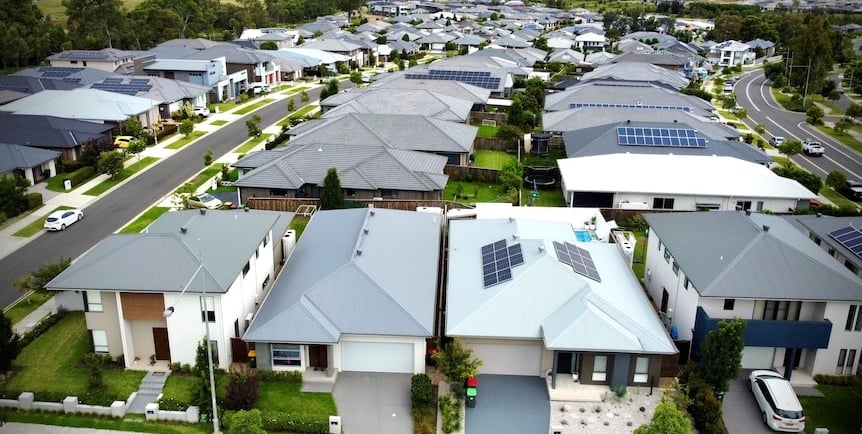
Australia’s housing market may be approaching a turning point, with analysts warning that rising interest rates and weakening buyer demand could trigger a broader slowdown in property prices.
Research group Cotality says market conditions are shifting after years of strong growth driven by low borrowing costs, tight supply, and population increases.
The warning comes as higher interest rates continue flowing through the economy following multiple rate hikes by the Reserve Bank of Australia in 2026.
For many households, borrowing has become significantly more expensive. Mortgage repayments have risen sharply, reducing the amount buyers can afford to borrow and weakening overall purchasing power.
That shift is beginning to affect demand across parts of the market. Properties are taking longer to sell in some areas, auction clearance rates have softened, and buyer competition is easing compared with previous years.
In cities such as Perth, housing demand has remained relatively resilient due to population growth and limited supply. However, analysts warn that even stronger markets are not immune to broader economic pressure if rates remain elevated.
The relationship between interest rates and housing is direct. When borrowing costs rise, affordability declines. This often slows price growth and, in some cases, can lead to falling property values.
At the same time, the market remains divided. Limited housing supply continues to support prices in some regions, particularly where rental vacancies remain extremely low.
Economists note that the next phase of the housing market may depend on several factors:
Whether inflation begins to ease
How long interest rates remain high
Population growth and migration trends
Construction activity and housing supply
Across Australia, the property sector remains closely tied to consumer confidence and economic stability. Housing plays a major role not only in household wealth but also in construction, banking, and retail activity.
Some analysts believe the market may experience a moderate cooling rather than a severe collapse, especially given ongoing supply shortages. Others warn that heavily indebted households could face growing financial stress if rates stay elevated for an extended period.
At TMFS, we observe that housing markets often shift gradually before sentiment changes more rapidly. Rising rates tend to work with delayed effects, meaning the full impact may still be unfolding.
For buyers and sellers, the environment is becoming more uncertain. The era of rapid price growth driven by cheap credit appears to be fading, replaced by a market increasingly shaped by affordability pressures.
Whether this becomes a temporary slowdown or a broader downturn will likely depend on how households, lenders, and policymakers respond in the months ahead.
All rights belong to their respective owners. This article contains references and insights based on publicly available information and sources. We do not claim ownership over any third party content mentioned.
DAILY WA © 2025
Daily WA Online is an independent news and media platform covering Western Australia. Owned by TMFS International Pty Ltd., we publish local stories, business insights, lifestyle features, and community voices for the digital era.