
How Australia’s Housing Cooldown Is Hitting NSW and Victoria Hardest
A slowdown in Australia’s housing market is placing increasing pressure on New South Wales and Victoria, affecting state revenues, construction activity, and economic growth.
BUSINESS & ECONOMY
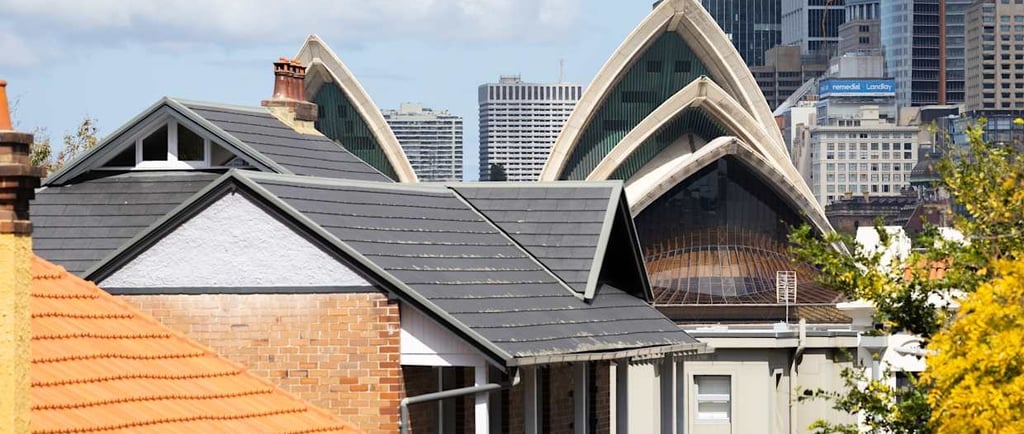
Australia's housing market slowdown is increasingly becoming an economic issue for state governments, particularly in New South Wales and Victoria, where property activity plays a major role in government finances and economic performance.
As higher interest rates, affordability challenges, and weaker buyer demand cool the market, both states are feeling the effects through lower property transactions and reduced tax revenue.
Why NSW and Victoria Are More Exposed
NSW and Victoria have historically generated large amounts of revenue from property-related taxes and charges, including:
Stamp duty
Land tax
Development fees
Property transaction charges
When housing markets slow, governments collect less revenue from property sales and development activity.
This creates additional budget pressure at a time when spending demands remain high.
Housing Activity Has Slowed
Recent years of rising interest rates have reduced borrowing capacity for many Australians.
As a result:
Property sales volumes have softened
New housing approvals have slowed
Residential construction activity has weakened
Developers have become more cautious
The impact is particularly significant in Sydney and Melbourne, Australia's two largest housing markets.
Illustrative Impact on State Revenue Exposure
Illustrative chart showing relative housing market exposure rather than official government data.
Construction Sector Feeling the Pressure
The housing cooldown is also affecting the construction industry.
Builders continue facing challenges including:
Higher financing costs
Labour shortages
Elevated material prices
Reduced project feasibility
Although governments want more homes built to address housing shortages, the economic environment is making development more difficult.
This creates a paradox where housing demand remains strong, but construction activity struggles to keep pace.
Budget Implications for States
For NSW and Victoria, weaker housing activity can have broader consequences.
Lower property transaction revenue may affect:
Infrastructure spending
Transport projects
Housing initiatives
Budget forecasts
State treasuries closely monitor housing data because of its importance to fiscal planning.
Housing Demand Has Not Disappeared
Importantly, the slowdown does not necessarily mean housing demand is weak.
Population growth, migration, and limited supply continue supporting long-term demand across both states.
Instead, many economists argue the market is experiencing an affordability-driven cooling period where buyers remain interested but face financial constraints.
What Happens Next?
Future housing market performance will likely depend on:
Interest rate movements
Employment conditions
Population growth
Housing supply levels
Consumer confidence
Any easing in borrowing costs could support renewed activity, while continued high rates may prolong the slowdown.
The housing cooldown is proving particularly challenging for NSW and Victoria because of their heavy reliance on property-related economic activity.
While the market remains far from collapse, reduced transactions, slower construction, and weaker tax revenues are creating noticeable economic headwinds.
For policymakers, the challenge is balancing housing affordability, construction growth, and budget stability at a time when the property sector remains one of Australia's most important economic drivers.
All rights belong to their respective owners. This article contains references and insights based on publicly available information and sources. We do not claim ownership over any third-party content mentioned.
Estimated exposure to housing market slowdown
Illustrative comparison showing relative dependence on property-related activity among major states.
stateexposureNSW85Victoria80Queensland60Western Australia45South Australia35
DAILY WA © 2025
Daily WA Online is an independent news and media platform covering Western Australia. Owned by TMFS International Pty Ltd., we publish local stories, business insights, lifestyle features, and community voices for the digital era.