
How to Move Forward After Estrangement
Estrangement can bring grief, relief, confusion, and uncertainty. Learn practical ways to heal, rebuild your life, and decide what moving forward means for you.
PEOPLE & COMMUNITY
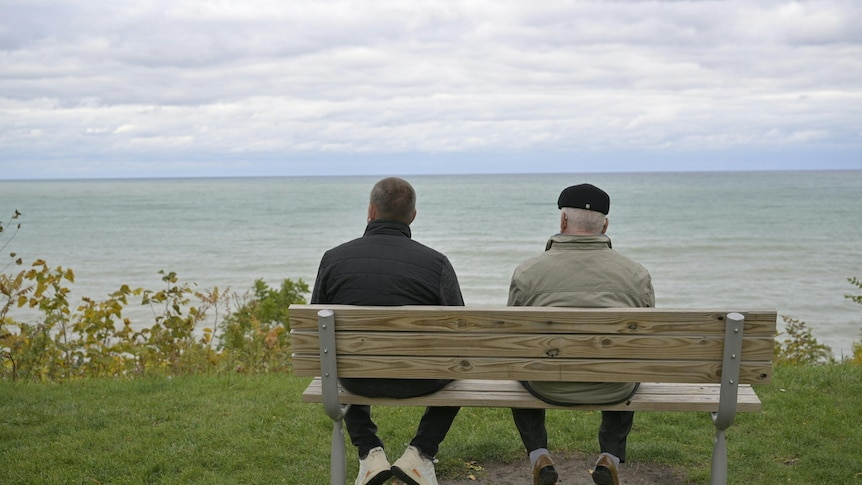
Estrangement from a family member, friend, or loved one can be one of the most emotionally complex experiences a person faces. Unlike many losses, estrangement often comes without clear closure. The relationship may still exist in theory, but not in practice.
Whether the separation was your choice, their choice, or a mutual decision, moving forward is rarely about finding a quick solution. It is about learning how to live with what has happened and deciding what role, if any, the relationship will have in the future.
Accept That Mixed Emotions Are Normal
Many people assume they should feel either sadness or relief after estrangement. In reality, it is common to experience both at the same time.
You may grieve the relationship you lost while also recognising that distance was necessary. You may miss someone without wanting renewed contact. These seemingly contradictory feelings can coexist.
Allowing yourself to experience emotions without judging them is often an important first step toward healing.
Let Go of the Need for Immediate Resolution
One of the hardest parts of estrangement is accepting that some situations cannot be fixed quickly.
You may never receive the apology you hoped for. You may never fully understand another person's perspective. Waiting indefinitely for a perfect resolution can keep you emotionally stuck.
Moving forward often begins when you focus less on changing the other person and more on what you can control in your own life.
Acknowledge the Loss
Estrangement is a form of loss, even when the relationship was difficult.
Many people benefit from treating it as they would any significant life change. This may involve:
Talking with trusted friends
Seeking professional support
Writing about your experience
Creating healthy routines
Allowing yourself time to grieve
Recognising the loss does not mean the estrangement was wrong. It simply acknowledges its emotional impact.
Decide What Healing Means for You
Healing does not always mean reconciliation.
For some people, healing involves rebuilding contact and repairing trust. For others, it means creating peace with permanent distance.
The goal is not necessarily to restore the relationship. The goal is to find emotional stability and clarity about what is healthiest moving forward.
Focus on Your Present Life
Estrangement can consume a great deal of mental energy.
As time passes, it can be helpful to invest more attention in the relationships and activities that support your wellbeing today.
This might include:
Strengthening existing friendships
Building new family traditions
Pursuing hobbies and interests
Investing in personal growth
Developing supportive communities
A fulfilling present can coexist with unresolved feelings about the past.
Consider Reconciliation Carefully
If reconciliation becomes a possibility, approach it thoughtfully rather than emotionally.
Ask yourself:
Has anything meaningfully changed?
Are expectations realistic?
Can healthy boundaries be maintained?
Is renewed contact likely to improve wellbeing?
Not every estrangement should end, and not every reconciliation is healthy. The decision should be based on current realities rather than nostalgia alone.
Practice Self-Compassion
People often blame themselves after estrangement, replaying conversations and decisions repeatedly.
While reflection can be useful, endless self-criticism rarely helps. Most relationship breakdowns involve complex dynamics that develop over time.
Treat yourself with the same kindness you would offer a close friend facing a similar situation.
Moving forward from estrangement is not about forgetting what happened or pretending it did not matter. It is about finding a way to carry the experience without allowing it to define your future.
Some relationships are eventually repaired. Others remain distant. In either case, healing is possible.
The most important step is recognising that your wellbeing does not have to depend entirely on what another person chooses to do. Growth often begins when you focus on building a meaningful life in the present, regardless of whether reconciliation ever occurs.
DAILY WA © 2025
Daily WA Online is an independent news and media platform covering Western Australia. Owned by TMFS International Pty Ltd., we publish local stories, business insights, lifestyle features, and community voices for the digital era.