
Island Poised to Become World’s Newest Nation as Memories of Conflict Return
Bougainville’s path toward possible independence is drawing global attention, but hopes for nationhood are accompanied by renewed reflection on the island’s violent past.
NEWS & CURRENT AFFAIRS
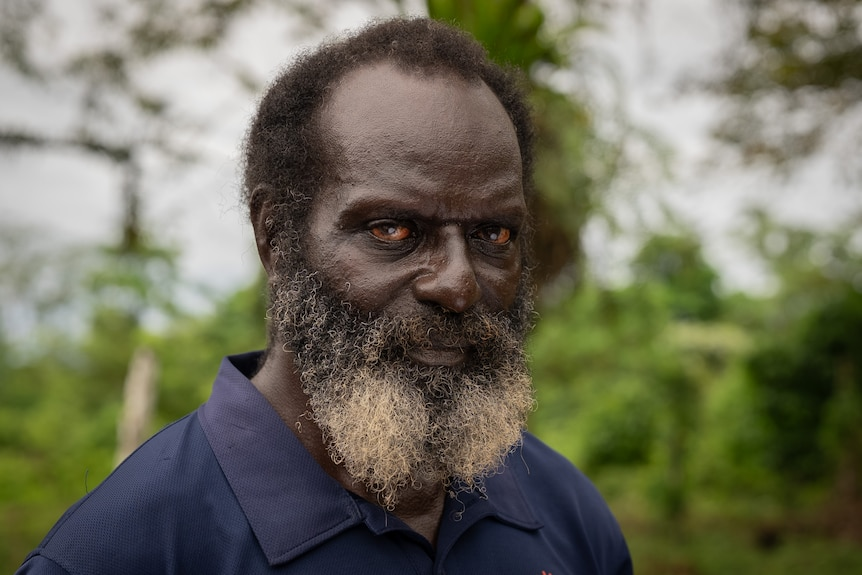
The dream of nationhood can inspire hope, identity, and renewal. But for the people of Bougainville, the journey toward becoming the world’s newest country also reopens memories of a painful conflict that shaped an entire generation.
Located in the Pacific and currently an autonomous region of Papua New Guinea, Bougainville has been moving steadily toward independence following an overwhelming referendum result in 2019, when voters overwhelmingly supported breaking away.
If negotiations ultimately succeed, Bougainville could formally emerge as a sovereign nation in the coming years. Supporters see independence as the culmination of decades of political struggle and cultural self determination.
Yet beneath the optimism lies the shadow of the Bougainville Civil War, one of the Pacific region’s deadliest modern conflicts.
The civil war, which lasted through much of the 1990s, was fuelled by tensions over land ownership, environmental damage, economic inequality, and the operation of the Panguna copper mine. The conflict devastated communities, disrupted essential services, and is estimated to have cost thousands of lives.
For many residents, the memory of that period remains deeply personal. Entire villages were displaced, infrastructure collapsed, and generations grew up amid violence and isolation.
Today, concerns are resurfacing over whether unresolved divisions could challenge Bougainville’s future stability. Questions remain around economic sustainability, political unity, and the management of natural resources if independence is achieved.
Economic viability is a major focus of debate. Bougainville possesses significant mineral resources, but rebuilding industries and public institutions after decades of instability presents enormous challenges.
Leaders pushing for independence argue that self governance offers the best chance to control the island’s future and ensure that local communities benefit more directly from development.
Meanwhile, negotiations with Papua New Guinea continue, as independence would require complex political agreements and international recognition.
Across the Pacific region, Bougainville’s progress is being closely watched. A successful transition could reshape regional politics and become one of the most significant independence movements of the modern era.
At TMFS, we observe that nation building is rarely only about borders or politics. It is also about memory, identity, and the ability of communities to move beyond conflict while carrying its lessons forward.
For Bougainville, the challenge ahead is profound. The island stands between two powerful forces: the hope of a new beginning and the unresolved weight of its past.
Whether it ultimately becomes the world’s newest nation may depend not only on political negotiations, but on its ability to transform painful history into a foundation for long term unity and stability.
All rights belong to their respective owners. This article contains references and insights based on publicly available information and sources. We do not claim ownership over any third party content mentioned.
DAILY WA © 2025
Daily WA Online is an independent news and media platform covering Western Australia. Owned by TMFS International Pty Ltd., we publish local stories, business insights, lifestyle features, and community voices for the digital era.