
Israel and Lebanon Agree to Ceasefire, but Hezbollah Remains Outside Negotiations
Israel and Lebanon have agreed to a ceasefire aimed at reducing border tensions, though Hezbollah was not directly involved in the negotiations, raising questions about long-term stability.
NEWS & CURRENT AFFAIRS
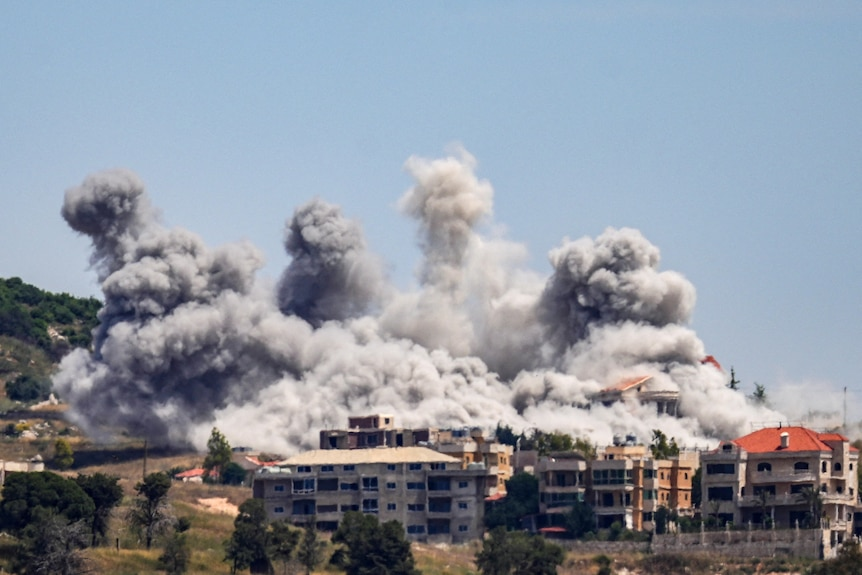
A new ceasefire agreement between Israel and Lebanon has raised hopes for a reduction in hostilities along their shared border, but questions remain about its durability after Hezbollah was reportedly not involved in the negotiations.
The agreement comes after months of heightened tensions and cross-border exchanges that increased fears of a broader regional conflict.
What the Ceasefire Means
The ceasefire is intended to reduce military activity and create conditions for greater stability along the Israel-Lebanon frontier.
Officials from both countries have signalled support for efforts aimed at preventing further escalation and reducing risks to civilian populations living near the border.
Diplomatic channels and international mediators reportedly played an important role in facilitating the agreement.
Why Hezbollah’s Absence Matters
Despite the announcement, analysts note that Hezbollah remains a significant factor in the region's security landscape.
The organisation maintains substantial political influence within Lebanon and possesses military capabilities that have historically played a central role in conflicts involving Israel.
Because Hezbollah was not directly involved in the ceasefire discussions, observers are questioning whether the agreement can fully prevent future confrontations.
Security experts argue that any lasting arrangement will likely require broader engagement from all major actors operating in the area.
Regional Tensions Remain High
The ceasefire arrives amid wider instability across the Middle East.
Recent tensions involving Iran, maritime security concerns, and ongoing regional conflicts have increased pressure on governments to avoid additional military escalation.
Many international leaders have welcomed the ceasefire as a positive step while urging continued diplomatic efforts.
Impact on Civilians
Communities on both sides of the border have experienced significant disruption during periods of heightened conflict.
Residents have faced displacement, security concerns, and economic uncertainty as military activity intensified.
A successful ceasefire could provide much-needed relief for families and businesses affected by months of instability.
International Response
Governments and international organisations have largely welcomed the agreement, viewing it as an opportunity to reduce the risk of a wider regional confrontation.
Diplomatic observers stress that maintaining the ceasefire will require ongoing communication, monitoring, and confidence-building measures.
The role of international mediators is expected to remain important as efforts continue to strengthen stability in the region.
Challenges Ahead
While ceasefires can reduce immediate violence, they do not necessarily resolve underlying political and security disputes.
Long-standing disagreements involving territorial issues, security arrangements, and regional alliances remain unresolved.
The absence of Hezbollah from formal negotiations means uncertainty will likely continue regarding the agreement's long-term effectiveness.
The ceasefire between Israel and Lebanon represents a potentially important step toward reducing tensions in one of the Middle East’s most sensitive regions.
However, the fact that Hezbollah was not directly involved in negotiations highlights the complexity of achieving lasting peace.
For now, the agreement offers a chance to reduce violence and create space for diplomacy. Whether it develops into a more durable settlement will depend on the willingness of all key stakeholders to support stability and avoid further escalation.
All rights belong to their respective owners. This article contains references and insights based on publicly available information and sources. We do not claim ownership over any third party content mentioned.
DAILY WA © 2025
Daily WA Online is an independent news and media platform covering Western Australia. Owned by TMFS International Pty Ltd., we publish local stories, business insights, lifestyle features, and community voices for the digital era.