
Kalgoorlie Community Unites to Support Families Impacted by Recent Mine Closure
As a major mine closes in Kalgoorlie, residents rally together to provide support, stability, and hope for families navigating sudden economic change.
PEOPLE & COMMUNITY
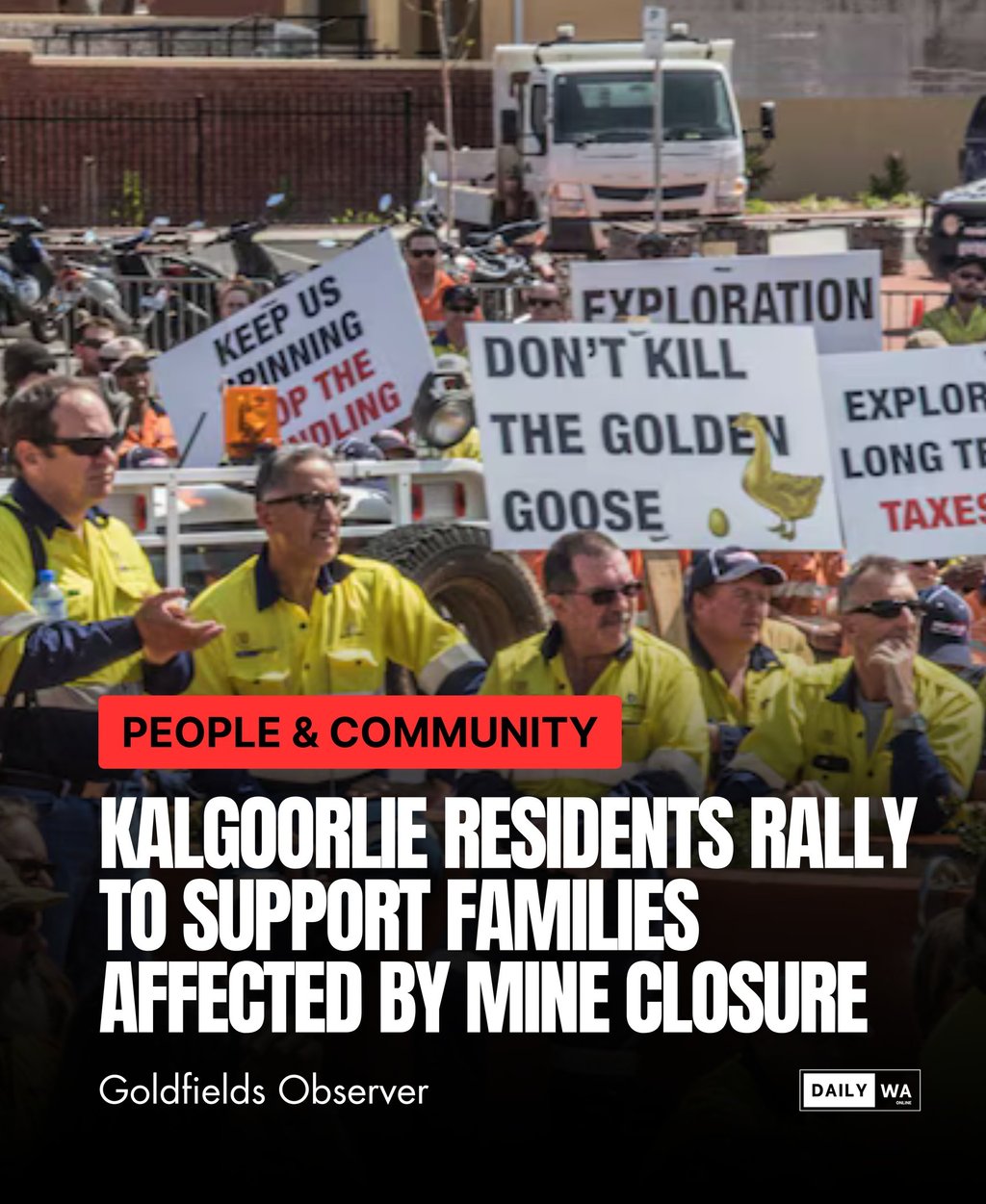
Mining towns are often built on cycles of opportunity and challenge. When operations flourish, communities experience growth and prosperity. When closures occur, the impact is felt quickly and deeply. In Kalgoorlie, the recent shutdown of a long standing mining operation has brought uncertainty to many households, prompting concerns about employment, stability, and the future of local industry. Yet in the face of disruption, the community has responded with remarkable unity, launching support efforts that reinforce the enduring strength and resilience of the Goldfields region.
The announcement of a mine closure always lands heavily. Jobs are more than a source of income. They represent identity, routine, and long term plans. For families who have built their lives around the mining sector, the sudden shift can create immediate financial and emotional strain. Local leaders and community groups have acted quickly, establishing assistance networks and coordinating support services designed to ease the transition for those most affected. Their response primes the community to view the moment not solely as a setback but as a collective challenge to be met with solidarity and intention.
Early initiatives include financial counselling, employment transition workshops, and wellbeing support programs aimed at helping families navigate this period of change. Research from regional development agencies shows that rapid access to structured support significantly reduces the long term impacts of job displacement. By offering pathways to new employment opportunities and emotional resilience, these programs provide a foundation for stability as families evaluate their next steps.
Local businesses are also stepping forward, recognising the importance of keeping the community strong during economic shifts. Several employers have expressed interest in hiring displaced workers, while training organisations are preparing to deliver upskilling opportunities tailored to emerging regional industries. These actions build momentum around recovery, demonstrating how economic resilience relies on coordinated response and diversified workforce planning.
To appreciate the significance of community driven support, consider the ripple effects that follow major closures in regional towns. Without intervention, population decline, reduced spending, and service disruption can place additional strain on already vulnerable systems. Kalgoorlie’s proactive approach helps interrupt this cycle by maintaining community engagement, preserving local capability, and fostering an environment where families feel anchored rather than isolated. Studies in regional resilience highlight that towns with strong social networks recover faster and retain a greater share of their population following economic shocks.
The emotional dimension of such transitions cannot be overlooked. Uncertainty affects wellbeing, family dynamics, and community morale. Support groups, local events, and peer networks are being mobilised to provide connection and reassurance. These spaces offer residents a chance to share experiences, access resources, and recognise that they are not facing the challenge alone. Community cohesion becomes a powerful stabilising force when traditional economic anchors shift.
Government agencies are working alongside local organisations to ensure families receive timely information about financial assistance, retraining programs, and employment pathways. This collaboration underscores the need for a unified approach when dealing with complex regional challenges. Effective communication, streamlined service delivery, and clear planning frameworks help reduce confusion while empowering families to act with confidence.
From a broader perspective, the situation in Kalgoorlie reinforces the importance of long term economic diversification. Regional towns that rely heavily on a single industry are more vulnerable to volatility. The current moment offers an opportunity for local leaders, industry partners, and policymakers to accelerate discussions around new sectors, sustainable workforce planning, and long term regional development. These strategic considerations align closely with the advisory principles TMFS supports, where resilience is built through foresight, adaptability, and collaborative action.
Despite the uncertainty, the outpouring of support in Kalgoorlie reflects a powerful truth. Communities are strongest when they stand together. The response from residents, businesses, and service organisations communicates a message of care and capability. It assures families affected by the closure that their community will not allow them to face hardship in isolation.
As Kalgoorlie navigates the months ahead, the foundations being laid now will influence the town’s trajectory. Support networks will continue to evolve. Opportunities will emerge. Families will adapt and rebuild. Through it all, the community’s willingness to step forward remains its greatest asset.
TMFS will continue to advocate for strategies that strengthen regional resilience, promote economic stability, and empower communities to thrive through change. Moments like this one remind us that while challenges can reshape a town, it is the response that ultimately defines its future.
All rights belong to their respective owners. This article contains references and insights based on publicly available information and sources. We do not claim ownership over any third party content mentioned.
DAILY WA © 2025
Daily WA Online is an independent news and media platform covering Western Australia. Owned by TMFS International Pty Ltd., we publish local stories, business insights, lifestyle features, and community voices for the digital era.