
Labor Faces Startup Backlash as Tax Overhaul Sparks Investor Concerns
Labor’s proposed tax reforms are raising concern among startups and investors, with critics warning the changes could affect innovation, venture capital, and business growth in Australia.
OPINION & VOICES
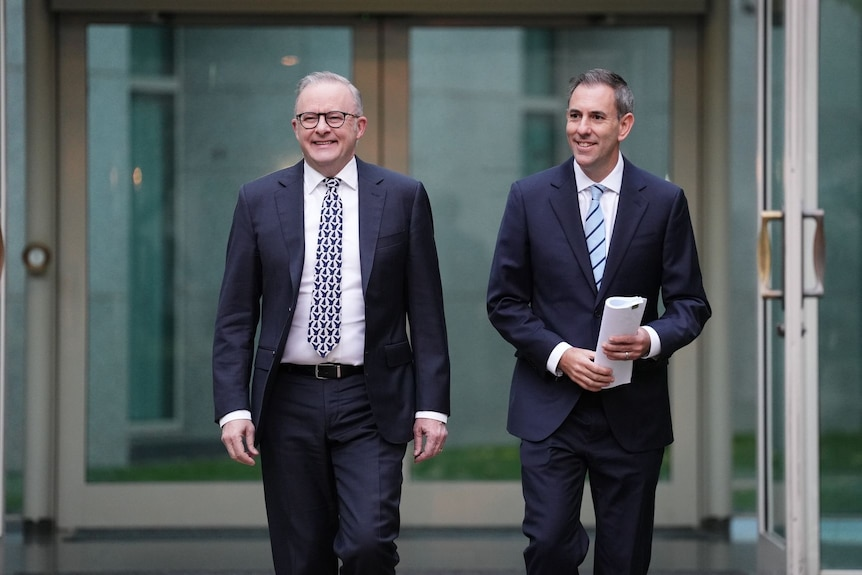
The federal government is facing growing pressure from Australia’s startup and investment sectors as proposed tax reforms spark fears about the future of innovation funding and entrepreneurial growth.
The Australian Labor Party government says its broader tax overhaul is aimed at creating a fairer and more sustainable economic system. However, sections of the technology and venture capital industries warn the changes could unintentionally discourage investment in emerging businesses.
The debate highlights the difficult balancing act facing policymakers in Australia as they attempt to reform taxation without damaging sectors seen as critical for future economic growth.
Why Startups Are Concerned
Startups often rely heavily on external investment during their early stages.
Unlike established companies, many emerging businesses operate for years without significant profits while developing products, scaling technology, or building customer bases.
Investors take high risks in exchange for the possibility of future returns. Industry groups argue that changes to tax treatment can quickly influence where capital flows.
Critics fear parts of the proposed overhaul could:
Reduce incentives for venture capital investment
Make Australia less competitive internationally
Push founders and investors toward overseas markets
Slow innovation and business creation
Technology founders say stable and predictable policy settings are essential for attracting long term investment.
Government Defends Reform Agenda
The government argues the reforms are designed to improve fairness, strengthen revenue stability, and modernise parts of the tax system.
Treasurer Jim Chalmers has framed the broader economic agenda as focused on productivity, housing, and structural reform rather than short term political measures.
Officials insist Australia must balance support for innovation with broader budget pressures and growing demands on public spending.
Venture Capital Sector Watching Closely
Australia’s venture capital ecosystem has expanded rapidly over the past decade, particularly in cities such as Sydney and Melbourne.
Technology startups across sectors including fintech, artificial intelligence, climate technology, and software services have attracted increasing international attention.
Investors warn that policy uncertainty can quickly affect funding decisions, especially in a competitive global market where capital moves easily across borders.
Some analysts argue Australia already struggles to compete with larger startup ecosystems in the United States and parts of Asia.
Broader Economic Stakes
The debate goes beyond the startup sector alone.
Governments increasingly view innovation driven industries as important for diversifying Australia’s economy beyond traditional reliance on mining and resources.
Supporters of the startup sector argue that high growth technology businesses create skilled jobs, attract international talent, and strengthen long term economic resilience.
At the same time, policymakers face pressure to address housing affordability, budget sustainability, and cost of living concerns through broader fiscal reform.
Political and Economic Tightrope
The situation has become a political balancing act for Labor.
Moving too aggressively on tax reform risks alienating investors and business groups. Moving too cautiously risks criticism that structural economic problems are not being addressed.
Business organisations are expected to lobby heavily as details of the reforms continue emerging.
Australia’s startup sector now finds itself at the centre of a wider debate about taxation, innovation, and economic direction.
The government argues reform is necessary for long term stability. Investors and founders worry the wrong settings could weaken entrepreneurial momentum at a critical time.
How Labor manages that tension may shape not only the future of tax policy, but also Australia’s ambition to compete in a global innovation economy.
All rights belong to their respective owners. This article contains references and insights based on publicly available information and sources. We do not claim ownership over any third party content mentioned.
DAILY WA © 2025
Daily WA Online is an independent news and media platform covering Western Australia. Owned by TMFS International Pty Ltd., we publish local stories, business insights, lifestyle features, and community voices for the digital era.