
Labor Supports Voluntary Assisted Dying Telehealth Access in Major Policy Shift
The Australian Labor Party has backed expanded telehealth access for voluntary assisted dying consultations, marking a significant change in its policy approach to end-of-life care.
OPINION & VOICES
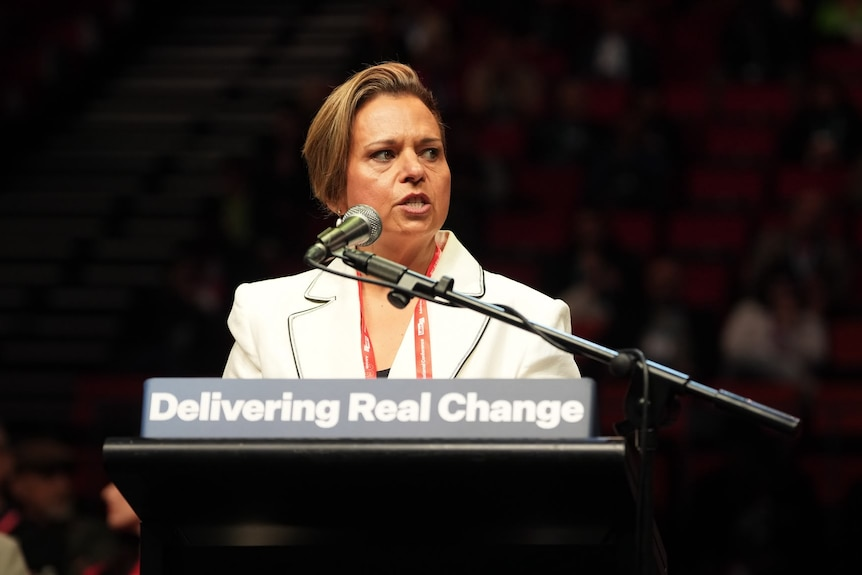
The Australian Labor Party has endorsed greater access to telehealth services for voluntary assisted dying (VAD) consultations, marking a significant shift in its healthcare policy platform.
The change is aimed at improving access for eligible Australians, particularly those living in regional and remote areas where specialist medical services can be difficult to reach.
What the Policy Change Means
Under the proposed platform change, Labor supports allowing certain voluntary assisted dying consultations to be conducted through telehealth rather than requiring every appointment to occur face-to-face.
Supporters argue the move would reduce barriers for patients who may face:
Long travel distances
Limited specialist availability
Mobility challenges
Serious illness-related difficulties
The policy would still operate within existing legal safeguards and eligibility requirements established under Australian voluntary assisted dying laws.
Why Telehealth Access Is Being Considered
Telehealth has become an increasingly important part of Australia's healthcare system, particularly since the COVID-19 pandemic.
Advocates say digital consultations can improve access to medical services for people outside major cities.
For patients receiving end-of-life care, travelling long distances for appointments can create additional physical and emotional challenges.
Balancing Access and Safeguards
The expansion of telehealth access has also prompted discussion about maintaining strong protections.
Supporters of careful regulation highlight the importance of:
Ensuring patients make voluntary decisions
Confirming eligibility requirements
Preventing coercion
Maintaining medical oversight
Providing appropriate counselling and support
Healthcare professionals would continue to play a central role in assessing requests and ensuring legal requirements are met.
Regional Healthcare Impact
The policy debate is particularly significant for Australians living in rural and remote communities.
Many regional areas face shortages of specialist doctors and healthcare providers, making access to some medical services more difficult.
Improved telehealth options could help reduce inequality between metropolitan and regional healthcare systems.
Ongoing National Debate
Voluntary assisted dying remains a sensitive issue in Australia, involving complex discussions about:
Individual choice
Medical ethics
Religious and community perspectives
Patient dignity
Healthcare responsibilities
Different states and territories have introduced their own VAD laws, with varying processes and requirements.
Labor's endorsement of voluntary assisted dying telehealth access represents a notable change in its healthcare policy direction.
The proposal reflects broader efforts to use digital healthcare services to improve accessibility while maintaining safeguards for vulnerable patients.
As debate continues, policymakers, healthcare professionals, and community groups will remain focused on finding a balance between patient choice, safety, and equitable access to end-of-life care.
All rights belong to their respective owners. This article contains references and insights based on publicly available information and sources. We do not claim ownership over any third-party content mentioned.
DAILY WA © 2025
Daily WA Online is an independent news and media platform covering Western Australia. Owned by TMFS International Pty Ltd., we publish local stories, business insights, lifestyle features, and community voices for the digital era.