
Mandurah Community Garden Secures Grant to Launch Indigenous Plant Project Strengthening Cultural and Environmental Restoration
A new grant empowers Mandurah’s community garden to expand Indigenous planting initiatives that promote ecological health, cultural connection, and community learning.
PEOPLE & COMMUNITY
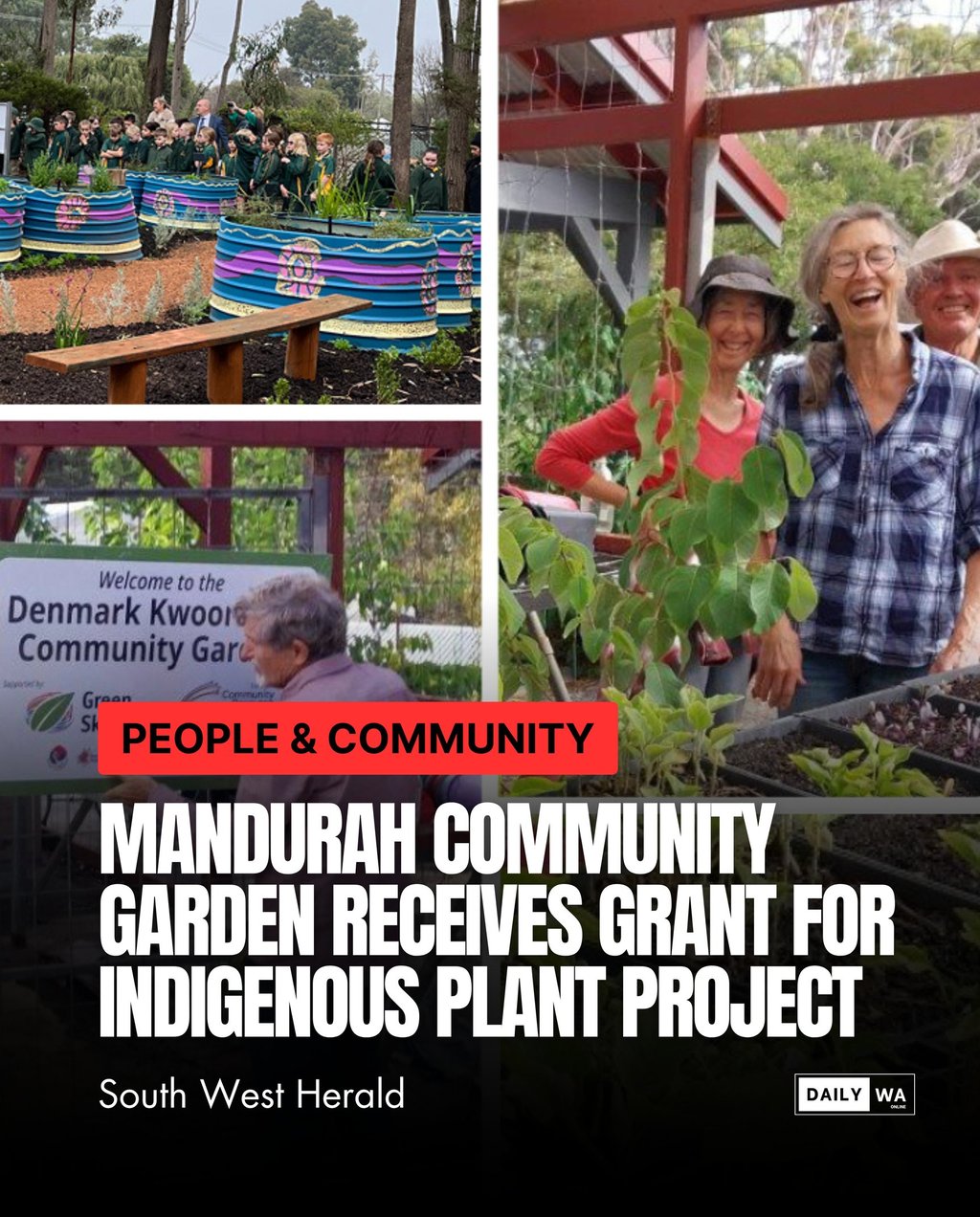
Community gardens often represent far more than shared soil. They become places of belonging, learning, and quiet transformation. In Mandurah, this truth has taken on renewed significance as the local community garden receives a grant to establish a dedicated Indigenous plant project. This initiative is not simply an expansion of gardening activity. It is a step toward restoring ecological balance, deepening cultural understanding, and strengthening community pride.
Mandurah’s coastline and wetlands hold a long history shaped by traditional knowledge and environmental stewardship. Yet many Indigenous plant species that once thrived in the region have been crowded out by development, invasive species, and changing land use. The new project aims to reverse this trend by reintroducing native plants, restoring biodiversity, and celebrating the cultural heritage embedded in the local landscape. It primes the community to rethink the value of native species, recognising them not only as aesthetic additions but as integral parts of the region’s identity.
The grant will support the creation of dedicated garden beds, seed collection programs, and educational workshops. These activities are designed to bridge environmental practice with cultural learning. Research in ecological restoration highlights that Indigenous plant species play a critical role in supporting wildlife, improving soil health, and strengthening ecosystem resilience. Their return contributes to more sustainable land management and enhances the natural character of community spaces.
The program’s educational component may prove its most transformative element. Workshops led by local knowledge holders and environmental experts will guide volunteers through the significance of various plants, their traditional uses, and the ways they support ecological systems. These sessions offer a rare opportunity for residents to learn directly from those who have cared for these landscapes for generations. They also invite participants to consider how modern communities can incorporate traditional wisdom into present day environmental care.
To understand the impact of such initiatives, consider the success of similar programs across regional Australia. Communities that invest in Indigenous plant restoration often experience measurable benefits, including increased biodiversity, reduced water consumption, and stronger habitat stability. These programs also foster cultural awareness, creating an environment where reconciliation is expressed through shared action and mutual respect.
Volunteer participation is expected to grow as the project takes shape. Community gardens thrive on collaboration, and the introduction of Indigenous planting is likely to attract residents of all ages. Whether learning how to propagate native seedlings or assisting in planting days, volunteers become part of a collective effort that strengthens social bonds while improving environmental outcomes. Research shows that community involvement in restoration work improves wellbeing, reduces social isolation, and enhances local stewardship.
The project also opens opportunities for partnerships with schools, environmental groups, and cultural organisations. These relationships can extend the reach of the initiative, allowing students to engage in hands on learning, supporting citizen science projects, and building a broader understanding of the importance of native ecosystems. When multiple sectors participate, the project’s influence grows beyond the garden itself and becomes woven into the fabric of the wider community.
From a strategic perspective, the Mandurah Indigenous plant project reflects a shift toward holistic environmental planning. Sustainable communities recognise that ecological restoration cannot be separated from cultural recognition and community engagement. Each contributes to resilience, shaping places that are not only environmentally strong but socially connected. This same integrated approach underpins the advisory work TMFS delivers across Western Australia, where long term outcomes depend on bringing people, knowledge, and systems together.
As the project begins, the sense of possibility is tangible. The Mandurah Community Garden is poised to become a living example of how environmental care and cultural respect can coexist in practical, everyday ways. It encourages residents to reflect on the stories carried by the land, to value the knowledge that has sustained it, and to participate in creating a healthier ecological future.
The grant marks not an endpoint but a beginning. It sparks a movement grounded in renewal, learning, and shared responsibility. As the garden transforms, it invites the community to grow alongside it. TMFS will continue to support initiatives that strengthen local resilience, elevate cultural understanding, and promote sustainable stewardship across Western Australia.
All rights belong to their respective owners. This article contains references and insights based on publicly available information and sources. We do not claim ownership over any third party content mentioned.
DAILY WA © 2025
Daily WA Online is an independent news and media platform covering Western Australia. Owned by TMFS International Pty Ltd., we publish local stories, business insights, lifestyle features, and community voices for the digital era.