
Melbourne Style Coffee Boom in Indonesia Sparks Debate Over Cultural
The growing popularity of Melbourne inspired coffee culture in Indonesia is fuelling debate about authenticity, influence, and who can claim ownership over café traditions.
NEWS & CURRENT AFFAIRS
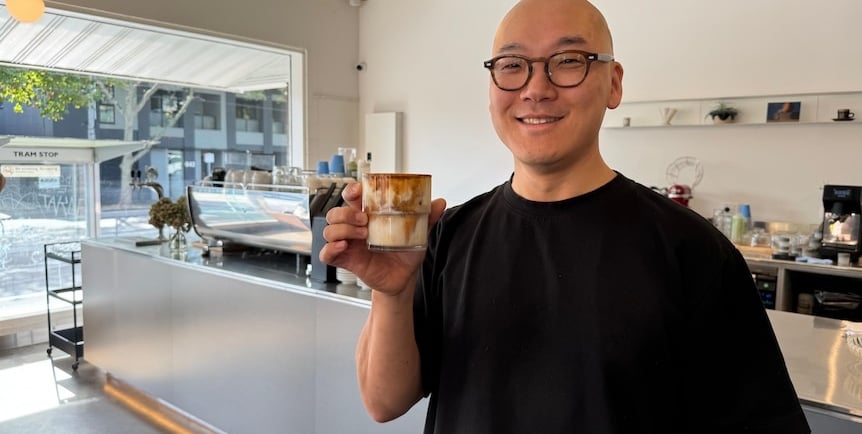
Coffee culture has become one of Melbourne’s most recognisable global exports. But as “Melbourne style” cafés continue spreading across Indonesia, the trend is also sparking debate over authenticity, branding, and cultural ownership.
Across cities such as Jakarta and Bali’s tourism hubs, cafés inspired by Melbourne’s coffee scene have multiplied rapidly. Flat whites, minimalist interiors, specialty beans, and artisan brewing methods are now heavily associated with the “Melbourne café” identity.
For many Indonesian café owners, the appeal is clear. Melbourne has built an international reputation for specialty coffee craftsmanship, and the branding carries strong lifestyle and quality associations.
However, the trend has triggered broader discussion about where coffee culture truly originates and whether any city can claim ownership over styles shaped by global influences.
Critics argue that presenting Melbourne as the definitive source of modern café culture overlooks the deep coffee traditions that already exist across Indonesia itself. Indonesia is one of the world’s major coffee producing nations, with regions such as Aceh, Java, and Sumatra known internationally for distinctive beans and long standing cultivation histories.
Some commentators suggest the popularity of “Melbourne style” branding reflects global perceptions shaped more by marketing and urban identity than by coffee origins alone.
Others see the trend differently. Supporters argue that café culture naturally evolves through exchange and adaptation. Melbourne’s coffee scene itself was influenced by waves of migration, especially Italian espresso traditions brought to Melbourne over decades.
In that sense, they argue, modern coffee culture has always been collaborative rather than owned by any single place.
The debate also highlights how cities increasingly export lifestyle identities alongside products. Melbourne’s global image now extends beyond tourism into design, food, and café experiences that businesses around the world seek to replicate.
At the same time, Indonesian café culture is developing its own distinct identity. Many local cafés blend Melbourne inspired presentation with Indonesian beans, flavours, and hospitality styles, creating something more hybrid than imitative.
Social media has accelerated the phenomenon. Aesthetic café spaces, latte art, and specialty brewing techniques spread quickly online, making coffee culture as much about experience and branding as the drink itself.
At TMFS, we observe that cultural influence rarely moves in only one direction. Trends evolve through exchange, adaptation, and reinterpretation across borders.
The conversation around Melbourne coffee culture in Indonesia ultimately reflects something broader than cafés alone. It touches on identity, prestige, and how global culture is shaped in an increasingly connected world.
Whether viewed as inspiration or appropriation, one thing is clear. Coffee has become more than a beverage. It is now part of a larger conversation about creativity, influence, and who gets to define authenticity.
DAILY WA © 2025
Daily WA Online is an independent news and media platform covering Western Australia. Owned by TMFS International Pty Ltd., we publish local stories, business insights, lifestyle features, and community voices for the digital era.