
Mining Company Faces Potential Penalties Over Forest Clearing
A mining company operating in Western Australia is facing potential penalties following allegations of unauthorised forest clearing, with environmental authorities investigating compliance breaches.
NEWS & CURRENT AFFAIRS
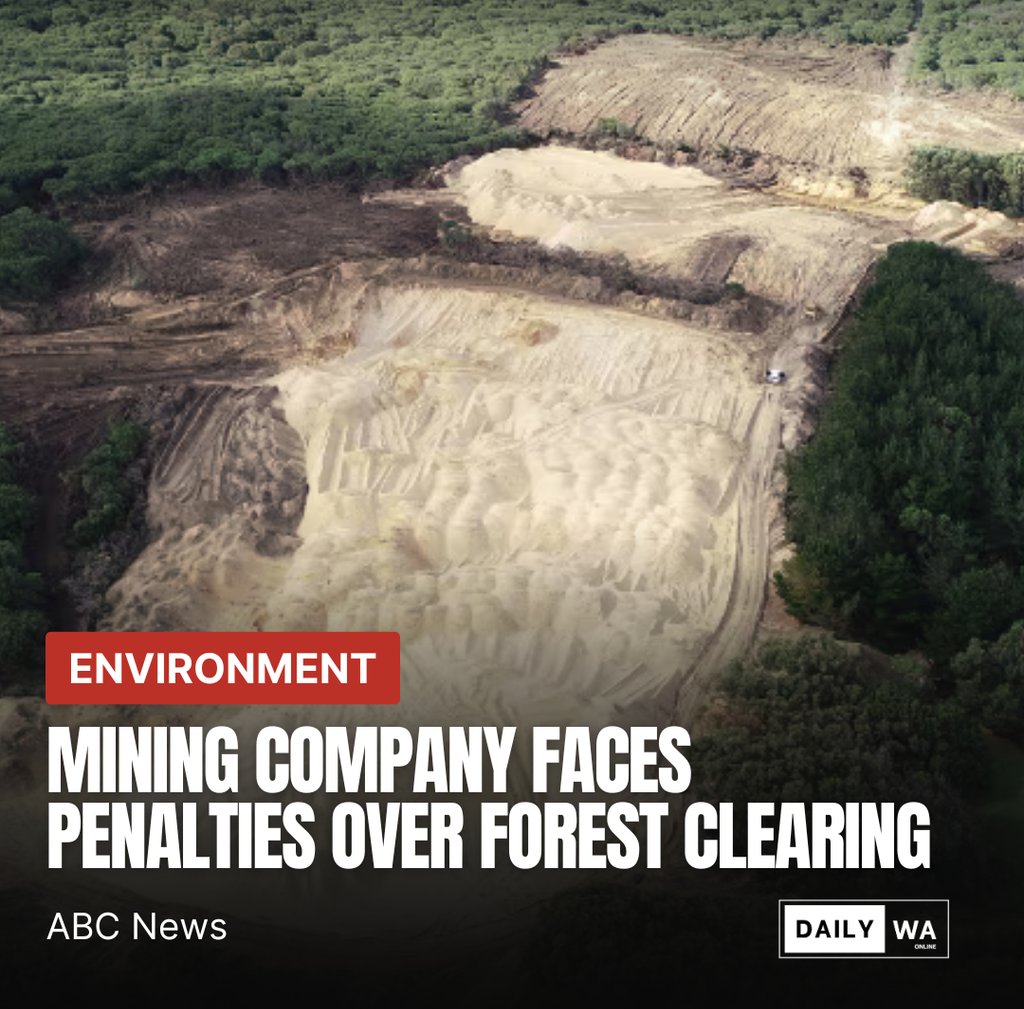
Environmental compliance is under scrutiny after a mining company in Western Australia was accused of clearing forested land beyond approved limits, triggering an investigation and potential regulatory penalties.
Authorities have confirmed that clearing activity allegedly exceeded the scope of environmental approvals tied to the company’s operations. Such approvals are designed to balance economic development with ecosystem protection, outlining specific conditions around land disturbance, biodiversity safeguards, and rehabilitation requirements.
Forest clearing in regulated zones carries strict oversight. Environmental impact assessments typically precede mining approvals, identifying habitats, native species, and cultural considerations. Exceeding those parameters can lead to fines, remediation orders, or in more serious cases, legal action.
Regulators are now examining whether the clearing breached licence conditions or statutory protections. Investigations often include satellite imagery analysis, on site inspections, and review of operational documentation to determine intent and scale.
For communities and conservation groups, forest clearing remains a sensitive issue. Western Australia contains diverse ecosystems that support unique flora and fauna. Disturbance without proper authorisation raises concerns not only about immediate habitat loss but also about long term ecological impact.
Mining companies operating in the state are subject to comprehensive environmental frameworks. Compliance is monitored through reporting requirements, independent audits, and periodic inspections. Breaches, if confirmed, can damage both environmental integrity and corporate reputation.
The case also highlights the broader tension between resource extraction and conservation. Mining contributes significantly to Western Australia’s economy, yet its footprint must operate within defined boundaries. Regulatory systems exist to ensure that development does not come at disproportionate ecological cost.
Industry representatives often emphasise commitments to rehabilitation and offset programs, restoring land following operational phases. However, unauthorised clearing can undermine public trust, particularly where sensitive vegetation or habitat is involved.
Authorities have indicated that potential penalties will depend on investigation findings, including the extent of clearing and any mitigating actions taken by the company. Environmental enforcement aims not only to penalise but to deter future non compliance.
In Perth, environmental governance has become increasingly visible in public discourse. Community expectations around transparency and accountability have risen alongside awareness of biodiversity decline.
At TMFS, we observe that long term economic resilience depends on maintaining environmental credibility. Companies that operate in resource intensive sectors must align operational discipline with regulatory compliance to sustain social licence.
As the investigation proceeds, stakeholders across industry and conservation circles will monitor outcomes closely. The resolution will signal how firmly environmental standards are enforced and how seriously breaches are addressed.
Forest clearing decisions reverberate beyond operational boundaries. They shape ecosystems, community perception, and the balance between growth and stewardship in Western Australia’s evolving landscape.
All rights belong to their respective owners. This article contains references and insights based on publicly available information and sources. We do not claim ownership over any third party content mentioned.
DAILY WA © 2025
Daily WA Online is an independent news and media platform covering Western Australia. Owned by TMFS International Pty Ltd., we publish local stories, business insights, lifestyle features, and community voices for the digital era.