
New Insect Species ‘Larrakia Feather-Legged Assassin’ Discovered Near Darwin
Scientists have discovered a previously unknown insect species in a national park near Darwin, highlighting the rich biodiversity still being uncovered in northern Australia.
NEWS & CURRENT AFFAIRS
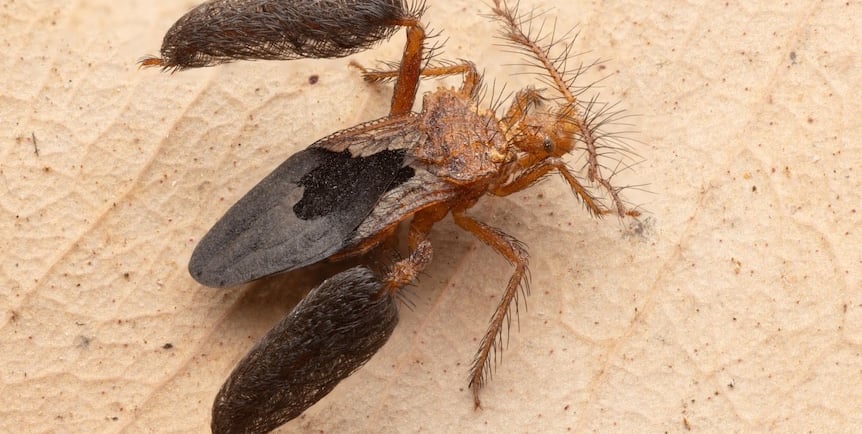
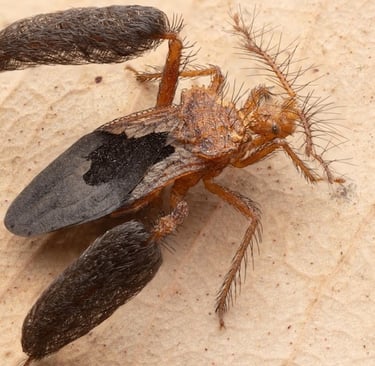
A newly identified insect species with striking feather like legs has been discovered in a national park near Darwin, adding another remarkable entry to Australia’s unique biodiversity.
The species, known as the “Larrakia feather legged assassin,” belongs to the assassin bug family, a group of predatory insects recognised for their stealth hunting behaviour and distinctive physical features.
Researchers say the discovery highlights how much of Australia’s insect life remains undocumented, particularly in tropical ecosystems across the north.
The insect was identified during biodiversity research conducted in protected natural areas near Darwin. Scientists examining specimens recognised unusual characteristics, including decorative feather like structures on its legs that distinguish it from previously known species.
The species name references the Larrakia Nation, acknowledging the Traditional Owners of the region where the insect was discovered.
Assassin bugs are known for their role as predators within ecosystems, feeding on other insects and helping maintain ecological balance. Many species use camouflage or specialised body structures to ambush prey.
The discovery also reinforces the ecological significance of northern Australia’s national parks and tropical habitats. These environments support an extraordinary range of plants and animals, many of which remain poorly studied compared to larger or more visible wildlife.
Scientists estimate that countless insect species worldwide have yet to be formally identified, particularly in remote or biodiverse regions. Insects play essential roles in ecosystems, including pollination, decomposition, and food web stability.
New species discoveries are important not only scientifically but also for conservation planning. Understanding what species exist within an ecosystem helps guide habitat protection and environmental management strategies.
In Australia, biodiversity research has become increasingly important as climate change, habitat loss, and invasive species place pressure on native ecosystems.
Researchers involved in the discovery say findings like this demonstrate why continued investment in taxonomy and field science remains critical. Many smaller species can disappear before they are even documented.
At TMFS, we observe that discoveries in nature often remind people how much remains unexplored, even in countries with extensive scientific research traditions.
The Larrakia feather legged assassin may be tiny, but its discovery carries a larger message. Australia’s natural world still holds hidden species waiting to be understood.
And in the forests and wetlands near Darwin, science continues revealing just how much life remains unseen beneath the surface of familiar landscapes.
All rights belong to their respective owners. This article contains references and insights based on publicly available information and sources. We do not claim ownership over any third party content mentioned.
DAILY WA © 2025
Daily WA Online is an independent news and media platform covering Western Australia. Owned by TMFS International Pty Ltd., we publish local stories, business insights, lifestyle features, and community voices for the digital era.