
New Laws Aim to Shield Australian Gas Bills from Global Price Shocks
The federal government says new energy laws will help lower household gas prices by reducing Australia’s exposure to volatile international markets.
OPINION & VOICES

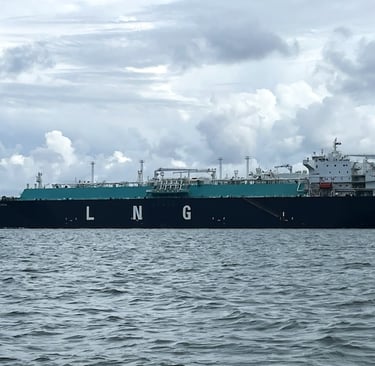
Australian households could see relief on gas bills under proposed new laws designed to reduce the influence of global energy markets on domestic prices.
The reforms are aimed at ensuring more Australian gas remains available for local consumers rather than being fully exposed to international pricing pressures. Officials argue that local energy users should not pay inflated prices driven by overseas conflicts and export demand.
In recent years, global energy markets have experienced major volatility due to geopolitical tensions, supply disruptions, and conflict in regions such as the Middle East. Those international price spikes have flowed through to consumers in Australia, despite the country being one of the world’s major gas exporters.
The government says the new laws are intended to break that connection to some extent, ensuring domestic gas prices are more stable and less vulnerable to sudden international shocks.
Supporters of the policy argue that Australian households and businesses should benefit more directly from the country’s own natural resources. They say local manufacturers and energy users have faced rising costs even while Australia exports large volumes of gas overseas.
The reforms are expected to include stronger powers around domestic supply obligations and pricing controls in certain market conditions. The overall goal is to increase certainty for consumers and industries heavily reliant on gas.
Business groups and manufacturers have welcomed efforts to stabilise prices, particularly after years of energy cost increases that affected production costs and household budgets.
However, the policy has also sparked concern from parts of the energy industry. Gas producers warn that excessive intervention could discourage investment in future projects if companies believe pricing flexibility will be limited.
Economists note that energy policy often involves balancing competing priorities. Governments seek affordable domestic energy, while producers seek strong export returns and investment certainty.
The timing of the reforms is significant. Energy prices have become a major political and economic issue amid broader cost of living pressures and inflation concerns.
For households, gas bills have become closely linked to debates about affordability, wages, and economic stability. Lower energy costs could ease pressure on both families and businesses if the measures prove effective.
At TMFS, we observe that energy security is increasingly tied to national economic resilience. Countries rich in resources are facing growing public expectations that domestic consumers should be protected from global market volatility.
The success of the new laws will ultimately depend on how effectively they balance affordability with long term investment and supply stability.
For now, the government’s message is clear. Australian gas users, it argues, should no longer feel entirely “hostage” to international market swings beyond their control.
All rights belong to their respective owners. This article contains references and insights based on publicly available information and sources. We do not claim ownership over any third party content mentioned.
DAILY WA © 2025
Daily WA Online is an independent news and media platform covering Western Australia. Owned by TMFS International Pty Ltd., we publish local stories, business insights, lifestyle features, and community voices for the digital era.