
Ocean Heatwave Blamed for Death of 30,000 Fish off Western Australia Coast
The Western Australian government has confirmed that a recent ocean heatwave was responsible for the death of around 30,000 fish along the state’s coast, underscoring growing concerns about marine ecosystems under climate stress.
NEWS & CURRENT AFFAIRS
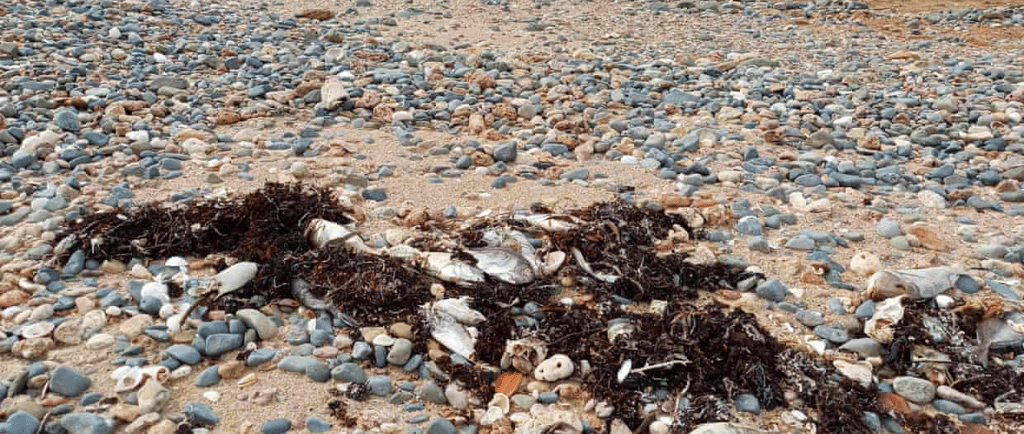
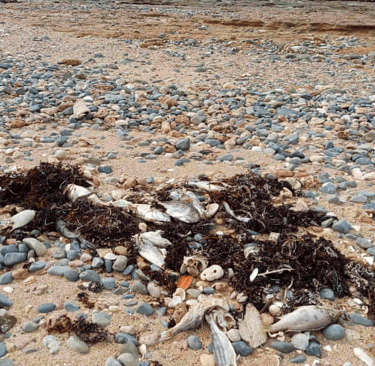
A stark warning has emerged from Western Australia’s coastline, where tens of thousands of fish have washed ashore following what experts describe as one of the region’s most severe ocean heatwaves in recent memory. According to the Western Australian government, approximately 30,000 fish perished across multiple coastal zones, from Shark Bay to Kalbarri, in an event now being linked directly to sustained ocean temperature anomalies.
The incident represents not just a local ecological crisis, but also a troubling signal of how rising ocean temperatures are reshaping marine environments worldwide. Fisheries scientists and marine biologists have confirmed that water temperatures along the coast surged several degrees above average during the southern summer, creating conditions that left marine species with little chance of survival.
Western Australia’s Department of Primary Industries and Regional Development (DPIRD) led the investigation, collecting data on species composition, temperature fluctuations, and dissolved oxygen levels. Early findings revealed that the heatwave reduced oxygen content in the water while simultaneously increasing metabolic stress among fish populations—a lethal combination that resulted in widespread mortality.
Dr. Lila Gordon, a senior marine ecologist with DPIRD, explained that even a small deviation in water temperature can have dramatic effects. “Marine life in these regions has adapted to very specific temperature ranges,” she noted. “When that threshold is breached, the physiological stress on fish becomes overwhelming. What we are seeing is a mass mortality event triggered by prolonged heat and low oxygen saturation.”
The die-off affected a variety of species, including snapper, herring, and mullet, all of which play vital roles in coastal food chains and the broader ecosystem. Some areas also reported a decline in coral health, suggesting that the impact of the heatwave extends far beyond fish populations.
Satellite data from the Bureau of Meteorology confirmed that ocean surface temperatures along the western coastline had reached record highs in recent months. The event has drawn comparisons to the devastating 2011 marine heatwave, which permanently altered sections of Western Australia’s temperate reef ecosystems and disrupted commercial fisheries for years.
Local communities have reacted with a mix of concern and urgency. Recreational fishers, tourism operators, and conservation groups are calling for stronger monitoring systems and faster mitigation responses to protect marine biodiversity. “We rely on these waters for our livelihoods and our identity,” said coastal resident and charter operator Ben Harris. “Seeing thousands of fish washed up is not just distressing—it’s a warning of what could become the new normal if we don’t act.”
Climate researchers have long cautioned that Australia’s western coast is particularly vulnerable to oceanic heat events due to the Leeuwin Current, a warm-water current that flows southward along the coast. When global sea temperatures rise, this current intensifies, amplifying regional heatwaves and disrupting natural marine balance.
The government has acknowledged the growing risk and announced plans to expand long-term monitoring of sea surface temperatures, dissolved oxygen levels, and ecosystem responses. Officials have also emphasized the need for stronger collaboration between scientists, local industries, and policymakers to ensure the sustainability of marine resources.
From an economic perspective, the consequences of repeated marine heatwaves could be significant. Western Australia’s fishing industry, valued at over $800 million annually, depends on stable ocean conditions. Any large-scale ecological disruption threatens not only biodiversity but also food supply chains and coastal economies that depend on fishing and tourism.
Environmental advocates are urging the implementation of adaptive management strategies, including the creation of marine refuges, restoration of seagrass meadows, and stricter emission targets to mitigate long-term ocean warming. As Dr. Gordon highlighted, “This is not an isolated incident—it’s part of an accelerating pattern. Without meaningful intervention, we risk losing the foundation of our coastal ecosystems.”
For many across Western Australia, the images of lifeless fish lining the beaches have become a poignant reminder of the fragility of marine life in a warming world. The ocean, long viewed as an endless source of life and abundance, is now signaling distress in ways that can no longer be ignored.
As scientific teams continue their analysis, one message resonates with increasing clarity: the health of our oceans reflects the health of our planet. The decisions made today—on energy, conservation, and policy—will determine whether Western Australia’s marine environments remain resilient or continue to erode under the weight of climate change.
All rights belong to their respective owners. This article contains references and insights based on publicly available information and sources. We do not claim ownership over any third-party content mentioned.
DAILY WA © 2025
Daily WA Online is an independent news and media platform covering Western Australia. Owned by TMFS International Pty Ltd., we publish local stories, business insights, lifestyle features, and community voices for the digital era.