
Oil-Rich Gulf Nations Build Alternatives to the Strait of Hormuz
Gulf countries are expanding pipelines and export infrastructure to reduce their reliance on the Strait of Hormuz, strengthening energy security amid rising geopolitical tensions.
NEWS & CURRENT AFFAIRS
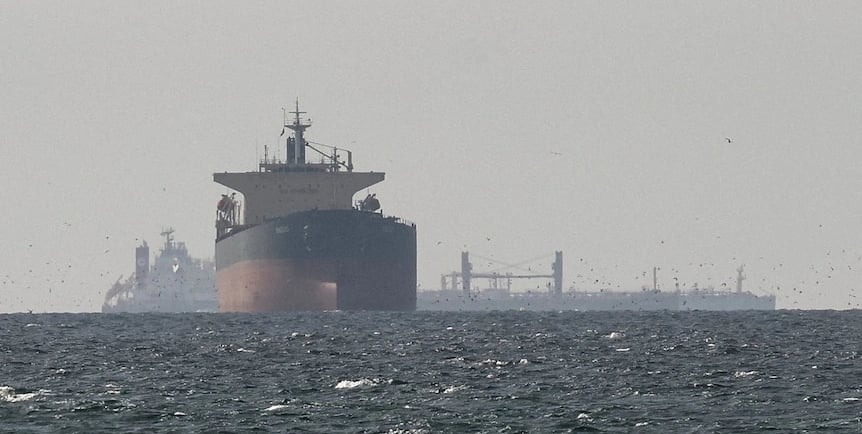
Oil-producing nations across the Persian Gulf are accelerating efforts to develop alternative export routes that reduce dependence on the Strait of Hormuz, one of the world's most strategically important maritime chokepoints.
The move comes as recurring regional tensions have highlighted the risks associated with relying heavily on a single shipping corridor through which a significant share of the world's crude oil and liquefied natural gas exports passes.
Why the Strait of Hormuz Matters
The Strait of Hormuz links the Persian Gulf with the Gulf of Oman and the Arabian Sea, serving as a vital gateway for global energy supplies.
Each day, millions of barrels of crude oil and petroleum products are transported through the narrow waterway to markets across Asia, Europe, and beyond.
Any disruption to shipping can have immediate consequences for global energy prices, supply chains, and financial markets.
Alternative Export Routes
Several Gulf nations have invested in infrastructure that allows oil exports to bypass the Strait of Hormuz.
Key projects include:
The Abu Dhabi Crude Oil Pipeline, which transports oil from inland production areas to the Emirate of Fujairah on the Gulf of Oman.
Saudi Arabia's East–West Pipeline, connecting oil fields in the Eastern Province with export terminals on the Red Sea.
Expanded storage and export facilities along coastlines outside the Persian Gulf.
New investments in port infrastructure and energy logistics.
These routes provide exporters with greater flexibility during periods of geopolitical uncertainty.
Strengthening Energy Security
Governments view these projects as part of broader strategies to enhance national energy resilience.
Benefits include:
Diversified export options.
Reduced shipping risks.
Improved supply reliability.
Greater flexibility during regional crises.
Enhanced investor confidence.
While these alternatives cannot fully replace the capacity of the Strait of Hormuz, they help reduce dependence on a single maritime route.
Economic and Strategic Importance
Building alternative export corridors requires substantial long-term investment in pipelines, storage terminals, and transport infrastructure.
These projects are intended not only to improve national security but also to reassure global energy markets that exports can continue even during periods of heightened regional tension.
Energy analysts note that reliable infrastructure is increasingly important as global demand remains sensitive to geopolitical developments.
Regional Cooperation and Competition
The expansion of export infrastructure reflects both cooperation and competition among Gulf producers.
Countries are seeking to strengthen their positions as dependable energy suppliers while investing in technologies and logistics that improve long-term competitiveness in global markets.
These efforts also complement broader economic diversification strategies being pursued across the Gulf.
Looking Ahead
Although the Strait of Hormuz will remain one of the world's most important shipping routes for the foreseeable future, alternative pipelines and export terminals are expected to play a growing role in regional energy security.
Continued investment in infrastructure may help reduce the impact of future disruptions while supporting stable energy supplies for international markets.
The construction of alternative oil export routes demonstrates how Gulf nations are adapting to an increasingly uncertain geopolitical environment.
By investing in pipelines, ports, and strategic infrastructure, regional producers aim to strengthen energy security, protect global supply chains, and reduce their vulnerability to disruptions in the Strait of Hormuz.
As geopolitical tensions continue to shape energy markets, diversified export networks are likely to become an increasingly important part of the global oil trade.
All rights belong to their respective owners. This article contains references and insights based on publicly available information and sources. We do not claim ownership over any third-party content mentioned.
DAILY WA © 2025
Daily WA Online is an independent news and media platform covering Western Australia. Owned by TMFS International Pty Ltd., we publish local stories, business insights, lifestyle features, and community voices for the digital era.