
Pay and Conditions Dispute Pushes Staff at WA’s Largest University Toward Industrial Action
An impasse over pay and workplace conditions has brought staff at Western Australia’s largest university to the brink of industrial action, with negotiations yet to deliver agreement.
TECHNOLOGY & INNOVATION
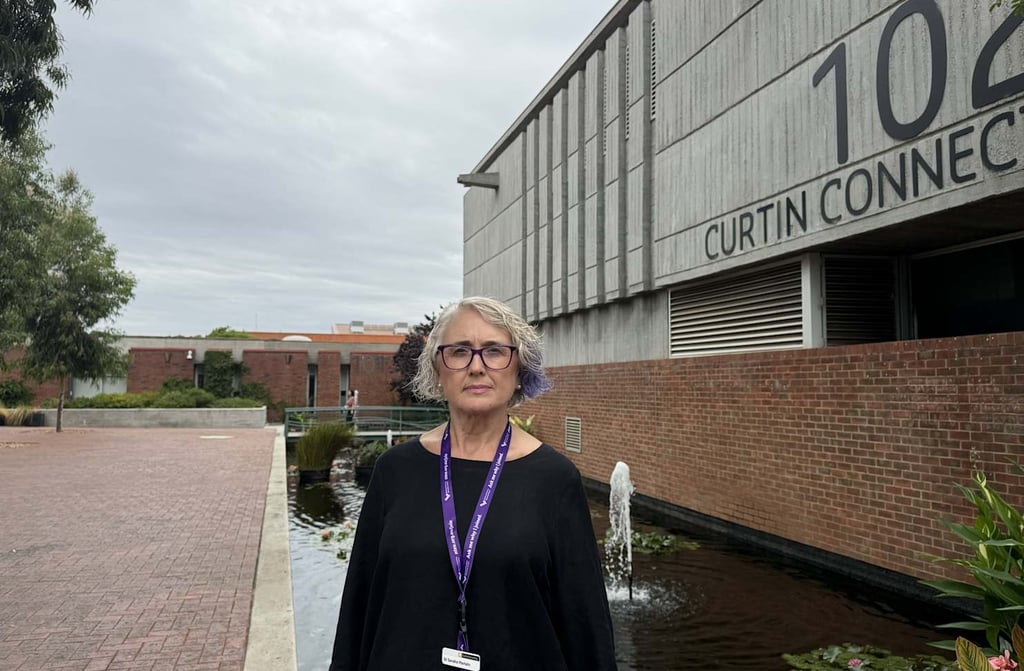
Staff at Western Australia’s largest university are edging closer to industrial action as negotiations over pay and working conditions reach a critical point. The dispute centres on wage growth, workload expectations, and broader employment security, with both sides acknowledging talks have stalled.
At the heart of the standoff are concerns about rising living costs and increasing pressure on academic and professional staff. Union representatives argue that current pay offers do not keep pace with inflation, while workloads have expanded amid growing student numbers and administrative demands.
University management, meanwhile, has pointed to financial sustainability and the need to balance competitive salaries with long term institutional stability. Like many higher education providers, the university has navigated funding shifts, international enrolment fluctuations, and structural reform in recent years.
The institution widely understood to be at the centre of the dispute is University of Western Australia, the state’s largest and one of its most established higher education providers. Any industrial action would carry implications for students, research activity, and campus operations.
Industrial action in universities can take various forms, from work stoppages and strikes to bans on certain administrative tasks. Even limited action can disrupt timetables, delay marking, and create uncertainty for students nearing assessment periods.
Workload remains a recurring flashpoint in university bargaining rounds across the country. Academics frequently report pressures linked to teaching preparation, research expectations, student support, and compliance tasks. Professional staff cite similar concerns about expanding responsibilities without proportional resource growth.
In Western Australia, universities play a critical economic and social role. They attract international students, support research innovation, and contribute significantly to local employment. Prolonged disputes risk reputational impact alongside operational disruption.
Students are watching developments closely. While many support fair conditions for staff, there is also anxiety about potential effects on classes and graduation timelines. Transparent communication will be central to maintaining confidence during negotiations.
Higher education has undergone rapid transformation over the past decade. Digital delivery, funding volatility, and shifting labour models have reshaped employment patterns. Disputes over pay and conditions often reflect these broader structural tensions rather than isolated disagreements.
University leadership has indicated it remains open to continued dialogue. Union representatives have emphasised that industrial action is a last resort rather than a preferred outcome. The coming days are likely to determine whether compromise is possible.
At TMFS, we observe that institutional resilience depends on alignment between workforce wellbeing and organisational strategy. Sustainable performance in complex environments such as higher education requires both financial discipline and investment in people.
The current impasse highlights the delicate balance universities must maintain. Competitive pay, manageable workloads, and fiscal responsibility intersect in ways that are rarely simple. How this dispute is resolved may set a precedent for future negotiations within the sector.
For now, the prospect of industrial action serves as a signal that negotiations have reached a critical juncture. Whether through renewed compromise or formal escalation, the outcome will shape not only staff conditions but also the broader stability of Western Australia’s higher education landscape.
All rights belong to their respective owners. This article contains references and insights based on publicly available information and sources. We do not claim ownership over any third party content mentioned.
DAILY WA © 2025
Daily WA Online is an independent news and media platform covering Western Australia. Owned by TMFS International Pty Ltd., we publish local stories, business insights, lifestyle features, and community voices for the digital era.