
Protests Across the United States Intensify as Demonstrators Challenge Immigration and Foreign Policy
Evolving protests across the United States are bringing immigration enforcement, overseas involvement, and opposition to the Trump administration into sharp focus, with major demonstrations unfolding in New York.
OPINION & VOICES
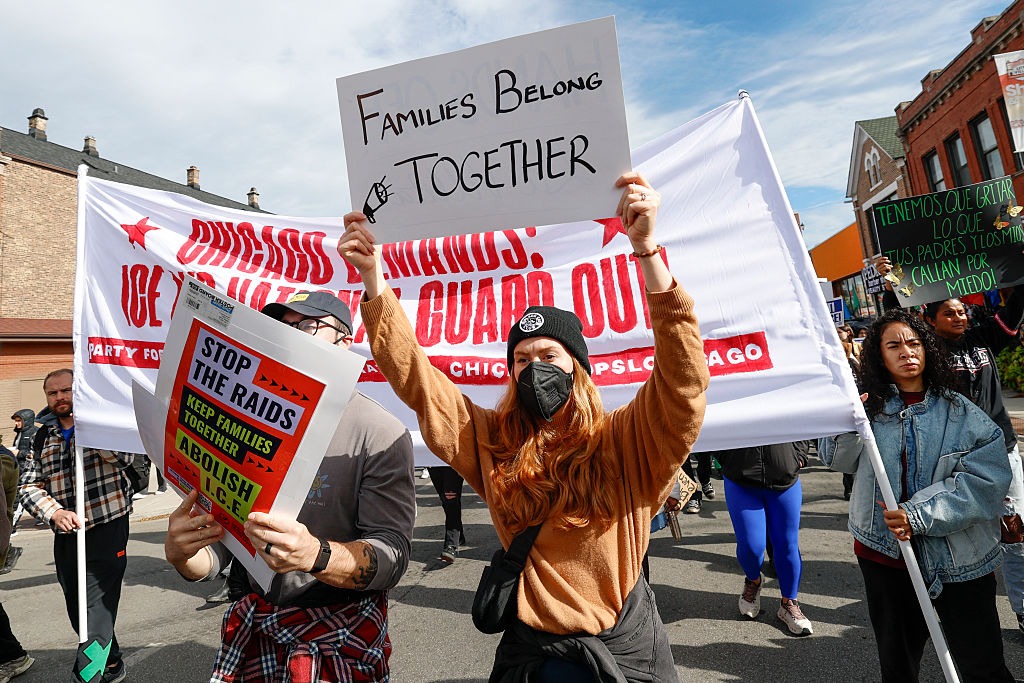
Public protest has long served as a barometer of political pressure in the United States. When demonstrations persist and evolve, they often signal that concerns have moved beyond a single issue and into broader questions about national direction. That dynamic is now on display as protests across the United States continue to gather momentum, with demonstrators voicing opposition to immigration enforcement, foreign policy decisions, and the leadership of the Trump administration.
At a major march in New York, the focus was clear. Protesters placed immigration enforcement at the centre of their message, calling for greater accountability and restraint in the operations of Immigration and Customs Enforcement. Chants, placards, and speeches reflected deep concern about the human impact of detention practices, deportations, and the broader role of enforcement agencies in shaping the lives of migrant communities.
Immigration has become one of the most enduring flashpoints in contemporary American politics. For supporters of stricter enforcement, it represents border integrity and national sovereignty. For critics, it raises questions about civil liberties, humanitarian responsibility, and the treatment of vulnerable populations. The protests highlight how this divide remains unresolved, continuing to mobilise large numbers of people well beyond election cycles.
Alongside immigration, demonstrators are drawing attention to US involvement overseas. Concerns about military engagement, diplomatic positioning, and international alliances have resurfaced as part of a wider critique of foreign policy direction. Protesters argue that decisions made abroad have consequences at home, influencing economic priorities, social cohesion, and America’s global standing. By linking domestic and international issues, the demonstrations frame governance as an interconnected system rather than a series of isolated policies.
The evolving nature of the protests is significant. Rather than coalescing around a single demand, they reflect a coalition of causes unified by dissatisfaction with leadership style and policy trajectory. This broad alignment allows movements to sustain momentum, but it also introduces complexity. Diverse concerns must coexist within shared spaces, requiring organisers to balance focus with inclusivity.
New York’s role as a focal point is symbolic. As a global city shaped by immigration, finance, and international engagement, it often amplifies national debates. Protests there tend to attract wide attention, reinforcing the visibility of issues raised and encouraging similar actions in other cities. The presence of large, peaceful marches also underscores the continuing importance of public assembly in American political culture.
From a governance perspective, sustained protest places pressure on institutions to respond, even when policy positions remain entrenched. Demonstrations influence media narratives, shape public conversation, and can recalibrate political risk for decision makers. While protests do not guarantee change, they signal that segments of the population feel unheard through formal channels.
There is also a generational element shaping these movements. Younger participants are often prominent, reflecting heightened engagement with issues of identity, global justice, and institutional trust. Their involvement suggests that debates over immigration and foreign policy are likely to persist, evolving alongside shifts in demographics and political participation.
At TMFS, we observe similar patterns in other democracies facing periods of political tension. When multiple issues converge, protests become less about single outcomes and more about legitimacy and direction. They express a demand for coherence between stated values and enacted policy, particularly in areas that affect human rights and international responsibility.
The protests unfolding across the United States are not static events. They are part of an ongoing process in which public sentiment, political leadership, and policy outcomes interact. As demonstrators continue to raise concerns about enforcement practices and overseas involvement, the conversation they are shaping will extend well beyond the streets where they gather.
Whether these movements lead to immediate policy shifts or longer term cultural change remains uncertain. What is clear is that public dissent remains a powerful force in shaping national dialogue. In moments of division and intensity, protest becomes both an outlet and a signal, reflecting the unresolved questions at the heart of contemporary American politics.
All rights belong to their respective owners. This article contains references and insights based on publicly available information and sources. We do not claim ownership over any third party content mentioned.
DAILY WA © 2025
Daily WA Online is an independent news and media platform covering Western Australia. Owned by TMFS International Pty Ltd., we publish local stories, business insights, lifestyle features, and community voices for the digital era.