
Push to Overhaul Australian Electricity Bills as Energy System Evolves
Energy experts are calling for a major redesign of Australian electricity bills, arguing the current system may no longer reflect how modern households generate and use power.
BUSINESS & ECONOMY

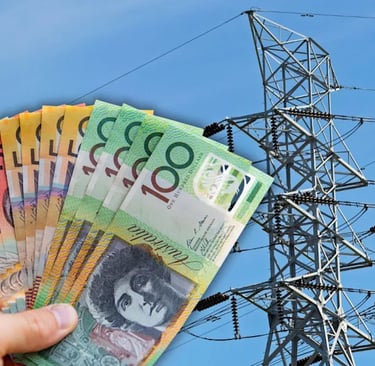
Australia's electricity system is undergoing one of its biggest transformations in decades, and experts say household power bills may need a major redesign to keep pace.
As more Australians install rooftop solar, home batteries, electric vehicles, and smart appliances, policymakers and energy industry leaders are discussing whether traditional billing structures still work effectively for modern households.
Why Electricity Bills Are Under Review
Historically, electricity bills were relatively straightforward.
Most households consumed power from the grid and paid primarily based on how much electricity they used.
Today, the situation is far more complex.
Many households now:
Generate their own solar power
Export electricity back to the grid
Store energy in batteries
Charge electric vehicles
Use smart devices that automatically manage consumption
Supporters of reform argue that billing systems designed decades ago may not adequately reflect these new patterns.
The Rise of Different Household Energy Profiles
One of the biggest challenges is that Australian households increasingly use energy in very different ways.
For example:
A household with rooftop solar may consume far less grid electricity during daylight hours.
A family with an electric vehicle may use significantly more electricity overnight.
Battery owners can store energy and reduce peak-time consumption.
Apartment residents often have fewer opportunities to install renewable technology.
Energy experts argue that future pricing systems may need to better recognise these differences.
What Changes Are Being Considered?
Several possible reforms have been discussed across the energy sector.
These include:
Time-of-Use Pricing
Electricity prices vary depending on when energy is consumed.
Power used during peak demand periods could cost more, while off-peak consumption may become cheaper.
Network Usage Charges
Some proposals focus more heavily on when households place pressure on the electricity network rather than simply how much power they consume.
Solar and Battery Integration
Future billing structures may provide stronger incentives for households that help stabilise the grid through battery storage or managed energy exports.
Smarter Digital Billing
Improved digital systems could provide consumers with more detailed information about their energy usage and costs.
Potential Benefits
Supporters of reform argue updated billing systems could:
Encourage energy efficiency
Support renewable energy adoption
Improve grid stability
Reduce long-term infrastructure costs
Better reflect actual energy use patterns
They believe modern pricing models could create a fairer system as Australia transitions toward cleaner energy sources.
Concerns About Fairness
Not everyone is convinced.
Consumer advocates warn that complex pricing structures can be difficult to understand and may disadvantage some households.
Particular concerns include:
Elderly Australians
Low-income households
Renters
People without access to solar panels
Households with limited flexibility in energy use
Critics argue any reform must remain simple, transparent, and affordable.
The Energy Transition Is Driving Change
The debate reflects broader changes occurring across Australia's energy system.
Renewable energy now supplies a growing share of electricity generation, while large-scale batteries and distributed energy resources continue expanding.
As the grid becomes more dynamic, regulators face increasing pressure to ensure pricing structures support both consumers and system reliability.
What Households Can Expect
Any major changes would likely be introduced gradually and involve extensive consultation.
Regulators, energy retailers, consumer groups, and industry stakeholders are expected to play key roles in shaping future reforms.
For now, households are being encouraged to understand their current electricity plans, monitor energy usage, and stay informed about emerging pricing models.
Australia's electricity bills were designed for a very different energy system than the one emerging today.
As solar panels, batteries, and electric vehicles become increasingly common, calls for reform are likely to grow louder.
The challenge for policymakers will be creating a system that supports innovation and grid reliability while remaining fair, transparent, and affordable for every type of household.
The outcome could shape how Australians pay for electricity for decades to come.
All rights belong to their respective owners. This article contains references and insights based on publicly available information and sources. We do not claim ownership over any third-party content mentioned.
DAILY WA © 2025
Daily WA Online is an independent news and media platform covering Western Australia. Owned by TMFS International Pty Ltd., we publish local stories, business insights, lifestyle features, and community voices for the digital era.