
RBA Dismisses Fears of Stagflation and a Wage-Price Spiral
The Reserve Bank of Australia says it is not currently concerned about stagflation or a wage-price spiral, despite persistent inflation and recent wage increases.
BUSINESS & ECONOMY
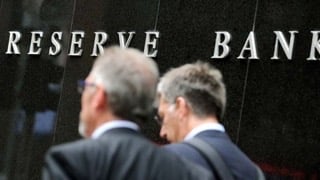
The Reserve Bank of Australia has sought to reassure markets that it is not currently worried about two of the most feared economic risks: stagflation and a wage-price spiral.
The comments come as Australia continues navigating elevated inflation, rising wages, and higher interest rates following multiple rate increases in 2026.
While both risks have been widely discussed by economists and investors, the RBA believes current economic conditions do not point to either scenario becoming entrenched.
What Is Stagflation?
Stagflation occurs when an economy experiences three problems simultaneously:
High inflation
Weak economic growth
Rising unemployment
It is considered one of the most difficult economic environments for policymakers because measures used to fight inflation can further weaken growth.
The term became famous during the economic crises of the 1970s when many countries struggled with soaring prices and stagnant economies.
The RBA’s assessment suggests Australia does not currently fit that pattern.
While growth has moderated, employment remains relatively strong and unemployment remains low by historical standards.
What Is a Wage-Price Spiral?
A wage-price spiral occurs when rising wages push businesses to increase prices, which then leads workers to demand even higher wages, creating a self-reinforcing cycle of inflation.
Central banks monitor wage growth closely because persistent wage-driven inflation can become difficult to control.
Despite recent wage increases, including a 4.75% rise in award wages, the RBA believes wage growth remains broadly consistent with inflation returning toward target over time.
Why the RBA Is Not Alarmed
Several factors appear to support the central bank’s confidence:
Strong Labour Market
Australia’s labour market remains resilient, with employers continuing to hire despite higher borrowing costs.
Rather than seeing widespread job losses, many sectors continue experiencing labour shortages.
Wage Growth Remains Contained
Although wages are rising, they are not accelerating at levels typically associated with a wage-price spiral.
The RBA’s view is that current wage increases largely reflect workers attempting to recover purchasing power lost during recent inflation spikes.
Inflation Is Not Solely Wage Driven
Much of Australia’s inflation pressure has come from:
Housing costs
Energy prices
Insurance premiums
Global supply disruptions
Food prices
These factors differ from inflation primarily driven by excessive wage growth.
Why Interest Rates Still Rose
The absence of stagflation concerns does not mean the inflation battle is over.
The RBA recently increased interest rates because inflation remains above its preferred target range and policymakers want to prevent inflation expectations from becoming entrenched.
The central bank’s challenge is balancing inflation control without causing a sharp economic slowdown.
What It Means for Households
For Australian households, the message is mixed.
The positive news is that the RBA does not currently see signs of a severe economic scenario involving both high inflation and rising unemployment.
However, higher interest rates, elevated living costs, and ongoing housing pressures continue affecting many families.
Mortgage holders in particular remain sensitive to future rate decisions.
What Economists Are Watching Next
Key indicators likely to influence future RBA decisions include:
Inflation data
Wage growth trends
Employment figures
Consumer spending
Housing market conditions
Energy prices
Any significant change in these areas could alter the central bank’s outlook.
Final Thoughts
The RBA’s latest assessment suggests Australia is facing a challenging economy, but not one that resembles the stagflation crises seen in past decades.
While inflation remains a concern, policymakers believe strong employment and moderate wage growth are helping prevent the emergence of a dangerous wage-price spiral.
For now, the central bank appears confident that inflation can be brought under control without triggering the severe economic conditions many had feared.
All rights belong to their respective owners. This article contains references and insights based on publicly available information and sources. We do not claim ownership over any third party content mentioned.
DAILY WA © 2025
Daily WA Online is an independent news and media platform covering Western Australia. Owned by TMFS International Pty Ltd., we publish local stories, business insights, lifestyle features, and community voices for the digital era.