
Record Heatwave Grips Eastern Australia as Authorities Warn of Rising Fire and Health Risks
A severe heatwave is sweeping across eastern Australia, with record breaking temperatures forecast over the long weekend, heightening fire danger and placing emergency services under growing strain.
PEOPLE & COMMUNITY
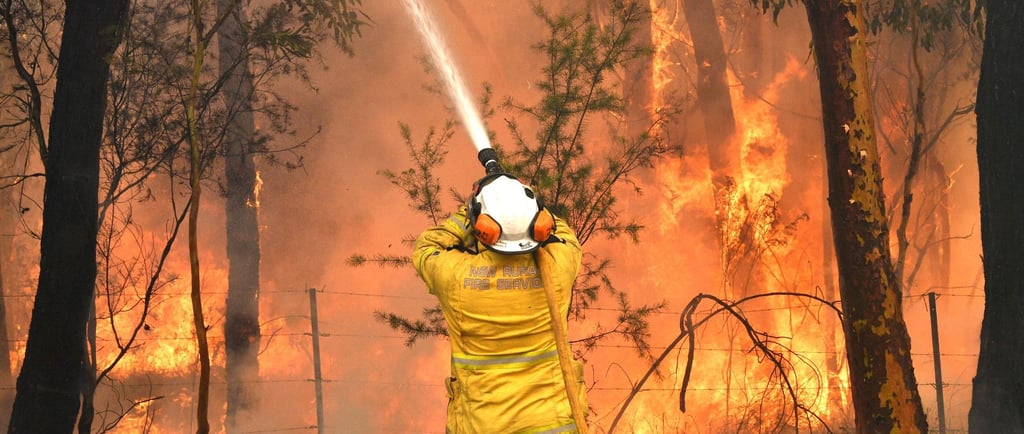
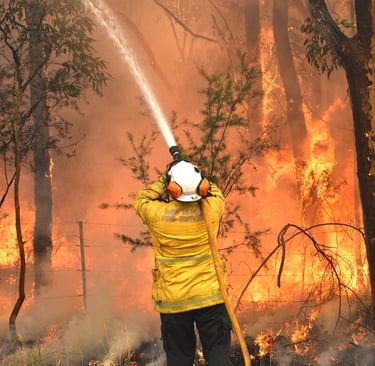
Eastern Australia is bracing for one of the most intense heat events in recent memory as a prolonged heatwave pushes temperatures well beyond seasonal norms. Forecasts indicate record shattering highs across large parts of Australia, with conditions expected to persist through the long weekend. Authorities have issued urgent warnings, citing escalating fire danger and mounting pressure on health and emergency systems.
The heatwave is affecting broad areas of New South Wales, Victoria, and neighbouring regions, where daytime temperatures are forecast to remain extreme for consecutive days. Prolonged heat of this nature compounds risk. Overnight relief is limited, infrastructure is stressed, and vulnerable populations face heightened danger as heat exposure accumulates.
Fire authorities have warned that the combination of high temperatures, dry fuels, and shifting winds is creating volatile conditions. Even small ignitions can escalate rapidly. Total fire bans and restrictions are in place across multiple districts, with officials urging residents to avoid activities that could spark fires and to remain alert to changing conditions.
Health services are also preparing for increased demand. Extreme heat places strain on cardiovascular and respiratory systems, particularly for older people, young children, and those with chronic illness. Ambulance services report higher call volumes during heat events, while hospitals activate surge plans to manage heat related illness, dehydration, and exhaustion.
The heatwave underscores the interconnected nature of modern risk. Power networks face increased demand as households and businesses rely on cooling. Any disruption can quickly cascade into health and safety issues. Water usage rises, transport infrastructure is affected, and outdoor work becomes hazardous. Managing these pressures requires coordination across agencies, utilities, and local governments.
Authorities have emphasised simple but critical precautions. Stay hydrated. Avoid outdoor activity during peak heat. Check on neighbours and family members who may be at risk. Follow official warnings and be prepared to change plans if conditions worsen. These measures, while basic, can be lifesaving during sustained heat events.
There is also a broader environmental context shaping the response. Heatwaves are becoming more frequent and intense, increasing the overlap between extreme heat and bushfire seasons. This convergence compresses response windows and leaves little margin for error. Emergency services must balance prevention, preparedness, and rapid response across multiple threats at once.
For communities, the long weekend timing adds complexity. Travel, outdoor events, and tourism increase exposure at precisely the moment risk is highest. Authorities have urged organisers and the public to reconsider activities where heat safety cannot be assured, reinforcing that caution is not overreaction in extreme conditions.
At TMFS, we observe that resilience during climate driven events depends as much on behaviour as on infrastructure. Systems are tested when demand spikes and conditions deteriorate simultaneously. Clear communication, public trust, and early action reduce harm. Heatwaves are often underestimated because their impact can feel gradual, yet they are among the deadliest weather events when measured over time.
As the heatwave continues to unfold across eastern Australia, the focus remains on prevention and preparedness. Emergency services are positioned, but outcomes will depend on collective restraint and awareness. The coming days will test communities, infrastructure, and response capacity.
Extreme heat is no longer an anomaly. It is a recurring feature that demands sustained attention and adaptive planning. How communities respond now will shape not only immediate safety, but readiness for the hotter seasons ahead.
All rights belong to their respective owners. This article contains references and insights based on publicly available information and sources. We do not claim ownership over any third party content mentioned.
DAILY WA © 2025
Daily WA Online is an independent news and media platform covering Western Australia. Owned by TMFS International Pty Ltd., we publish local stories, business insights, lifestyle features, and community voices for the digital era.