
Rising Living Costs and the New Realities Shaping Daily Life Across Western Australia
Communities across WA are feeling the effects of increasing living costs, prompting changes in daily habits, financial decisions, and long term expectations.
OPINION & VOICES
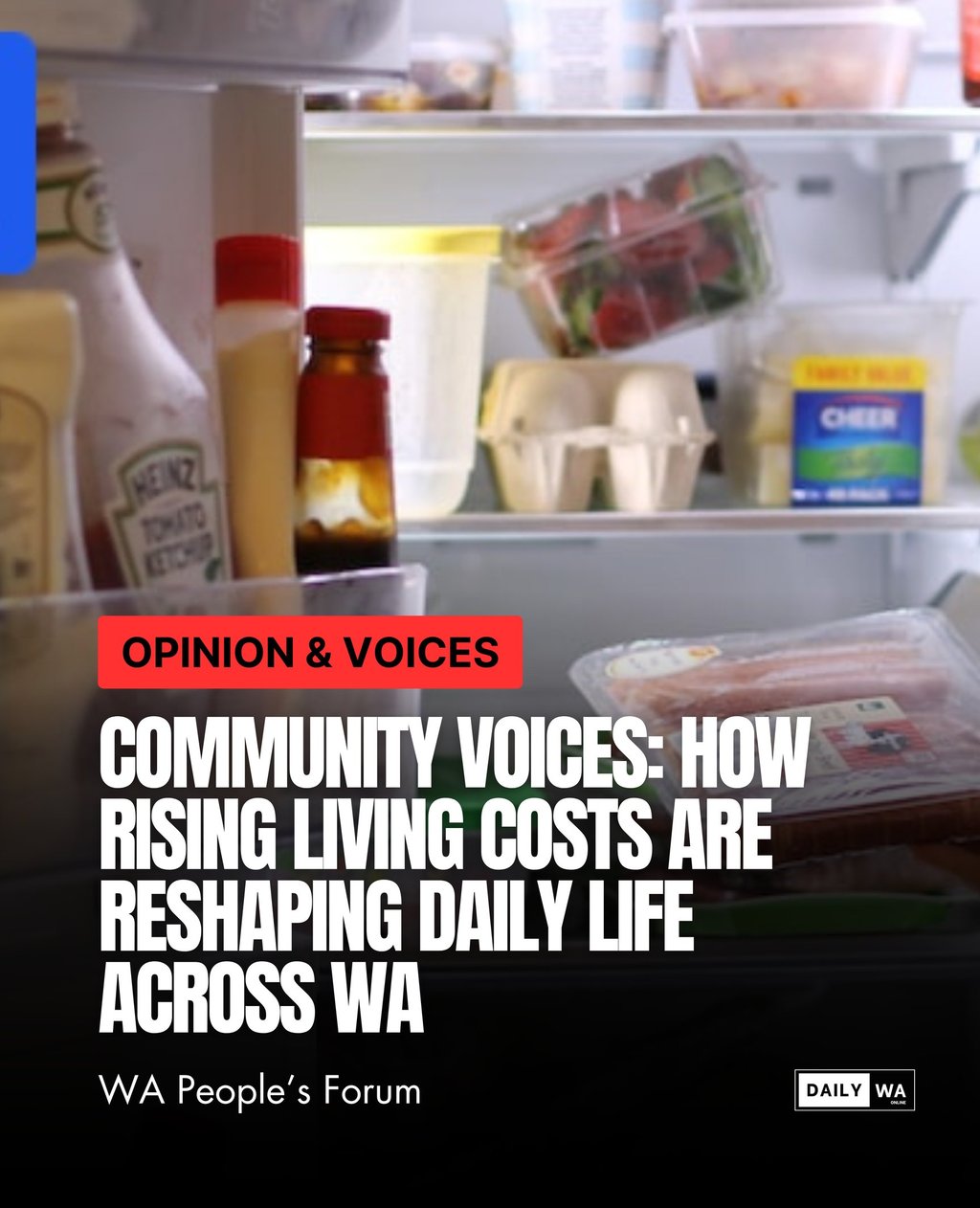

The cost of living is more than a set of numbers reported in economic briefings. It is an experience that plays out quietly in households, workplaces, and communities every day. Across Western Australia, rising costs are reshaping how people live, how they plan, and how they make decisions about their future. Recent community reflections reveal the depth of this shift, highlighting not only the pressures families face but also the ways in which resilience, adaptability, and collective awareness are beginning to emerge.
For many households, these pressures are most visible in the routine purchases that once felt predictable. Groceries, utilities, rent, transport, and essential services have all seen noticeable increases. Research from national economic institutes shows that when these cost categories rise simultaneously, discretionary spending declines and financial strain intensifies. Families begin reevaluating weekly budgets, delaying non essential purchases, and adjusting lifestyle habits in response. This shift primes communities to recognise that cost of living challenges are not abstract. They are reshaping the rhythm of daily life.
Community members report that rising fuel and transport costs are prompting changes in how and when they travel. Some are consolidating errands, carpooling, or exploring public transport options more frequently. Others are reconsidering job opportunities that require long commutes. Meanwhile, households renting or paying mortgages are adjusting spending priorities to accommodate increasing housing costs. These decisions are shaping new patterns in behaviour, consumption, and long term planning.
Local businesses are also feeling the consequences. Reduced discretionary spending affects hospitality venues, retail stores, and service providers, many of which rely on consistent customer activity to remain viable. Businesses are adapting by revising pricing strategies, reducing operational costs, or offering value driven alternatives to retain customer loyalty. Studies on economic resilience highlight that communities with strong local business ecosystems weather cost pressures more effectively, as money circulates locally and supports the broader economic fabric.
In regional areas, rising costs carry additional implications. Distance amplifies expenses such as fuel, freight, and access to specialised services. Residents often have fewer alternatives to absorb cost increases, placing added strain on household budgets. Yet regional communities also demonstrate strong social cohesion, with neighbours, community groups, and local organisations stepping in to support those facing hardship. This sense of collective responsibility has long been a hallmark of WA’s regional life and remains a source of strength during economic challenge.
The emotional dimension of rising costs is equally significant. Families describe increased stress, reduced financial certainty, and a heightened sense of caution when planning for the future. Savings goals, home ownership plans, education investments, and holiday budgets are being reconsidered. Economic experts note that prolonged financial strain can influence wellbeing, decision making, and long term confidence. As pressure builds, community voices are calling for policies that address affordability, strengthen essential services, and provide targeted relief to those most affected.
At the same time, new forms of adaptation are emerging. Some households are embracing sustainable living practices such as home gardening, energy efficient appliances, or reduced waste habits that both lower costs and support environmental goals. Others are engaging more deeply with financial literacy resources, community programs, and budgeting tools. These changes reflect a broader mindset shift in which resilience becomes a strategic, everyday behaviour rather than a crisis response.
Community organisations are playing a key role in supporting residents through this transition. Food relief services, financial counselling programs, and neighbourhood support networks are seeing increased engagement. Their work demonstrates the importance of accessible, community centred assistance during periods of economic pressure. Research shows that when support services are well coordinated and well resourced, families are better equipped to manage financial stress and maintain stability.
From a strategic perspective, the conversation around rising living costs mirrors the principles that underpin thoughtful long term planning. It highlights the need for systems that anticipate vulnerabilities, support equitable access to services, and create pathways for resilience at both community and organisational levels. At TMFS, we recognise that navigating economic uncertainty requires clear strategy, responsible resource management, and the ability to adapt to emerging pressures. These principles guide our work with organisations across WA.
The reflections shared by community members offer more than insight into current challenges. They provide a lens into how WA is changing and how its people are responding with determination, adaptability, and shared purpose. While rising costs have introduced strain, they have also prompted conversations about what communities value, how they support one another, and how they can build stronger foundations for the future.
As WA continues to face cost of living pressures, the opportunity lies in developing strategies that provide relief, empower households, and strengthen economic resilience across all regions. TMFS remains committed to supporting approaches that enhance stability, elevate community capability, and help organisations and individuals navigate the realities of a changing financial landscape.
All rights belong to their respective owners. This article contains references and insights based on publicly available information and sources. We do not claim ownership over any third party content mentioned.
DAILY WA © 2025
Daily WA Online is an independent news and media platform covering Western Australia. Owned by TMFS International Pty Ltd., we publish local stories, business insights, lifestyle features, and community voices for the digital era.