
Roof Breach at Banksia Hill Detention Centre Raises Fresh Concerns About Youth Custodial Safety
Authorities have confirmed a security breach at Banksia Hill Juvenile Detention Centre after teenagers accessed the roof and threw objects, prompting an emergency response before the situation was brought under control.
OPINION & VOICES
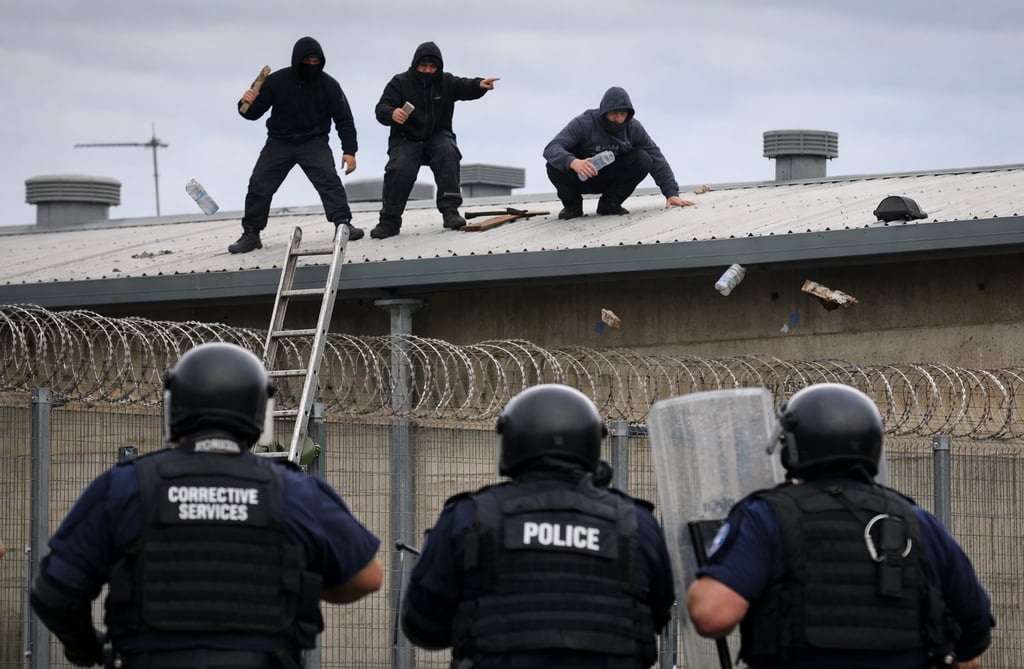
Incidents inside youth detention facilities carry weight far beyond their immediate impact. They raise difficult questions about safety, supervision, and the capacity of systems designed to manage some of the state’s most vulnerable and high risk young people. That scrutiny has intensified following confirmation that a group of teenagers breached the roof of Banksia Hill Detention Centre, forcing officers to respond after objects were thrown during the disturbance.
Authorities have since confirmed the situation has been contained, with no ongoing threat to the public. Even so, the breach has reignited debate around the condition and resilience of Western Australia’s only juvenile detention facility. Roof access incidents are not merely symbolic acts of defiance. They present serious safety risks for detainees, staff, and emergency responders, particularly when objects are thrown and control of the environment is temporarily compromised.
Banksia Hill has been under sustained public scrutiny in recent years, with repeated reports highlighting overcrowding, staffing pressures, and infrastructure strain. Events such as this reinforce concerns that the physical environment itself may be struggling to support effective youth management and rehabilitation. When secure facilities are breached, it undermines confidence in containment and places additional pressure on frontline officers tasked with restoring order.
From an operational perspective, roof incidents require rapid escalation. Officers must balance immediate safety with de escalation, often in confined spaces and emotionally charged conditions. The throwing of objects significantly raises risk, as it can result in injury and limits the options available to staff responding on the ground. Containment, while reassuring, does not erase the seriousness of the failure that allowed the breach to occur.
The involvement of teenagers also highlights the broader challenge of youth detention policy. Custodial environments are expected to ensure security while supporting rehabilitation and behavioural change. When incidents escalate to this level, it suggests underlying tension that cannot be resolved through enforcement alone. Experts in youth justice consistently argue that infrastructure quality, staffing ratios, mental health support, and program availability all play critical roles in maintaining stability.
Public concern often extends beyond the walls of the facility. Community confidence depends on the assurance that detention centres are secure and well managed. While authorities have emphasised that the incident was contained, repeated disturbances risk normalising instability and eroding trust in the system’s ability to cope under pressure.
There are also implications for staff welfare. Youth custodial officers operate in demanding conditions, and incidents involving breaches and projectiles increase physical and psychological strain. Retention and recruitment challenges within corrective services are already well documented, and events like this add to the burden faced by an already stretched workforce.
From a governance standpoint, containment should not mark the end of the conversation. Incidents of this nature typically prompt internal reviews examining how access was gained, whether infrastructure failures were involved, and how response protocols functioned in real time. Transparency around findings and remedial action is essential if confidence is to be restored.
At TMFS, we recognise that systems under sustained pressure often reveal their weaknesses through moments of disruption. Whether in corrections, infrastructure, or public services, resilience is built not only through response capability but through proactive investment in people, environments, and governance frameworks that reduce the likelihood of escalation in the first place.
The Banksia Hill incident is now under control, but its significance remains. It underscores the urgency of addressing long standing issues within youth detention and ensuring facilities are equipped to manage risk safely and humanely. Security is a baseline requirement, yet long term stability depends on conditions that support order, accountability, and rehabilitation together.
As authorities continue to assess the incident, public attention will turn to what changes follow. For communities, staff, and the young people held inside the system, confidence will rest not on assurances alone but on visible action to strengthen safety, oversight, and care.
All rights belong to their respective owners. This article contains references and insights based on publicly available information and sources. We do not claim ownership over any third party content mentioned.
DAILY WA © 2025
Daily WA Online is an independent news and media platform covering Western Australia. Owned by TMFS International Pty Ltd., we publish local stories, business insights, lifestyle features, and community voices for the digital era.