
RSV Vaccine Rollout to Protect WA Aged Care Residents
A statewide rollout of the RSV vaccine will provide added protection for aged care residents in Western Australia, aiming to reduce severe illness and hospitalisation among vulnerable older Australians.
NEWS & CURRENT AFFAIRS
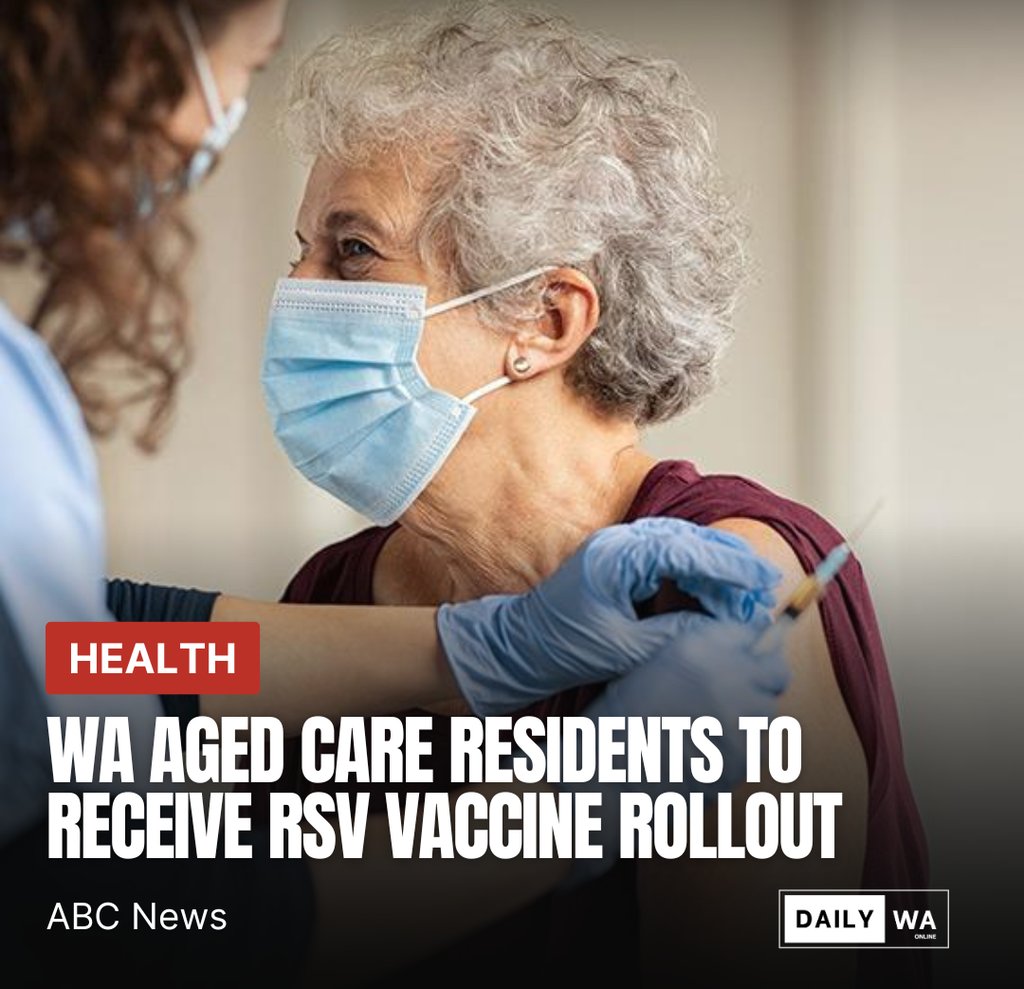
A new phase in respiratory illness prevention is underway, with aged care residents across Western Australia set to receive protection through a targeted RSV vaccine rollout.
Respiratory syncytial virus, commonly known as RSV, is often associated with young children. Yet for older adults, particularly those in residential aged care, it can lead to serious complications including pneumonia and hospitalisation. The rollout recognises this elevated risk and aims to strengthen defences ahead of peak respiratory season.
Health authorities have confirmed that the program will prioritise residents in aged care facilities, where communal living can accelerate transmission. Vaccination in these settings is designed not only to protect individuals but to reduce outbreak potential within entire facilities.
Aged care providers have welcomed the initiative, noting that respiratory viruses remain a persistent challenge in congregate environments. Even with infection control measures in place, seasonal surges place strain on residents and staff alike.
The RSV vaccine complements existing influenza and COVID vaccination programs, creating layered protection for vulnerable populations. Public health experts emphasise that while no vaccine offers absolute prevention, reducing severity significantly lowers the burden on hospitals and emergency services.
Implementation will involve coordinated visits by healthcare teams to residential facilities, ensuring access without requiring residents to travel. Consent processes and information sessions are being provided to families and guardians to support informed participation.
For families, the rollout offers reassurance. Older Australians often experience compounded risk factors including chronic conditions and reduced immune response. Preventative strategies help maintain stability and reduce the likelihood of acute deterioration during winter months.
The decision reflects evolving understanding of RSV’s impact on adult populations. Historically under recognised in older cohorts, recent data has highlighted its contribution to seasonal hospital admissions among seniors.
Health authorities have stressed the importance of maintaining broader infection control practices alongside vaccination. Hand hygiene, visitor screening during outbreaks, and prompt symptom reporting remain central components of aged care health management.
In Perth and regional centres alike, the rollout signals continued investment in preventative healthcare rather than reactive response. Reducing avoidable hospitalisations improves system resilience and protects vulnerable residents from unnecessary distress.
At TMFS, we observe that effective public health strategy is cumulative. Each layer of protection builds community resilience, particularly where vulnerability is concentrated.
The RSV vaccine rollout for aged care residents represents a proactive step toward safeguarding older Western Australians. As the program progresses, health officials will monitor uptake and outcomes to assess impact across the season.
Prevention rarely attracts headlines equal to crisis. Yet in healthcare, prevention often carries the greatest long term value. Protecting those most at risk remains one of the clearest measures of system strength.
All rights belong to their respective owners. This article contains references and insights based on publicly available information and sources. We do not claim ownership over any third party content mentioned.
DAILY WA © 2025
Daily WA Online is an independent news and media platform covering Western Australia. Owned by TMFS International Pty Ltd., we publish local stories, business insights, lifestyle features, and community voices for the digital era.