
Shipbuilding Delays and Ageing Submarines Fuel Debate Over AUKUS ‘Plan B’
Concerns over shipbuilding delays and Australia’s ageing submarine fleet are increasing discussion about a possible backup strategy for the AUKUS defence agreement.
OPINION & VOICES
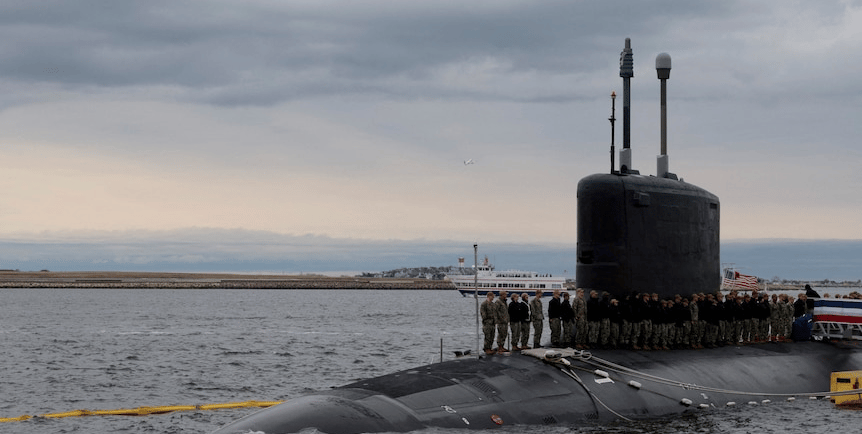
Questions are growing over whether Australia may eventually need a “plan B” for the AUKUS submarine program as shipbuilding delays and ageing naval assets place pressure on the country’s long term defence strategy.
The debate reflects mounting concern about whether Australia can maintain an effective submarine capability during the long transition toward acquiring nuclear powered submarines under the AUKUS agreement with the United States and United Kingdom.
Why Concerns Are Growing
Australia’s existing Collins-class submarines are ageing and increasingly expensive to maintain.
While life extension upgrades are planned, defence analysts warn the fleet could face capability gaps if replacement timelines slip further.
At the same time, major shipbuilding programs in allied countries are already under pressure due to workforce shortages, industrial bottlenecks, and competing defence priorities.
These challenges have fuelled discussion among military experts about whether Australia should prepare alternative options if delays intensify.
What Is AUKUS?
AUKUS is a major defence and technology partnership announced in 2021 between Australia, the US, and the UK.
One of its central goals is helping Australia acquire nuclear powered submarines for the first time.
The submarines are intended to strengthen Australia’s long range defence capabilities in an increasingly contested Indo-Pacific region.
The agreement also involves cooperation in areas such as:
Cybersecurity
Artificial intelligence
Undersea warfare
Advanced weapons systems
Quantum technologies
Why a ‘Plan B’ Is Being Discussed
Defence commentators increasingly argue Australia may need contingency planning in case the submarine timeline stretches too far.
Possible “plan B” discussions include:
Extending Collins-class service life even further
Leasing or rotating allied submarines
Purchasing interim conventional submarines
Expanding other naval capabilities temporarily
Supporters of contingency planning argue large defence projects often face delays and that relying entirely on optimistic timelines carries strategic risk.
Industrial and Workforce Challenges
Shipbuilding remains one of the biggest concerns.
Constructing nuclear submarines requires highly specialised infrastructure, engineering expertise, and workforce development on a scale Australia has never previously attempted.
Defence industries in both the US and UK are already under heavy demand, raising questions about production capacity and delivery schedules.
Building the necessary workforce in Australia will take years of training and investment.
Strategic Importance of Submarines
Submarines are considered central to Australia’s future defence strategy due to the country’s geographic position and the growing strategic competition across the Indo-Pacific.
Long range stealth capabilities are viewed as particularly important as regional military tensions continue rising.
The AUKUS agreement has also become a key symbol of Australia’s strategic alignment with Western allies.
Political and Economic Debate Continues
The enormous cost of the submarine program remains politically sensitive.
Critics question whether the project is financially sustainable and whether Australia can realistically manage such a complex transition.
Supporters argue the investment is necessary given evolving security risks and long term strategic competition in the region.
The increasing discussion around an AUKUS “plan B” reflects the reality that large defence projects rarely proceed without complications.
Shipbuilding delays, ageing submarines, and workforce challenges are forcing policymakers and defence planners to think more carefully about transition risks.
For Australia, the challenge is not only building future submarine capability, but ensuring national defence readiness remains effective during the long and uncertain road toward that future.
All rights belong to their respective owners. This article contains references and insights based on publicly available information and sources. We do not claim ownership over any third party content mentioned.
DAILY WA © 2025
Daily WA Online is an independent news and media platform covering Western Australia. Owned by TMFS International Pty Ltd., we publish local stories, business insights, lifestyle features, and community voices for the digital era.