
Steam Machine: Beautiful Hardware, Console Performance - At a Price
Steam Machines promised to combine the simplicity of consoles with the power of PC gaming. While the hardware impressed, pricing and market challenges ultimately limited their success
TECHNOLOGY & INNOVATION
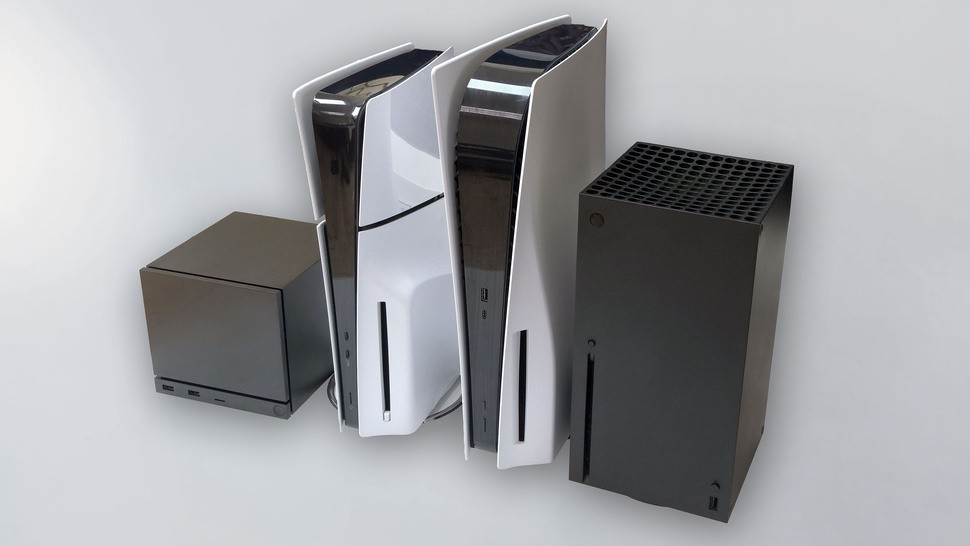
When Valve Corporation introduced the Steam Machine concept, the vision was ambitious: bring PC gaming into the living room with the convenience of a console.
The result was a lineup of sleek gaming devices that offered impressive hardware, access to Steam’s vast game library, and a console-like experience. However, despite the promise, Steam Machines struggled to gain mainstream adoption.
What Was a Steam Machine?
A Steam Machine was essentially a gaming PC designed for the living room.
Powered by Valve's Linux-based SteamOS, the devices were built by multiple hardware manufacturers and aimed to provide an alternative to traditional consoles such as the PlayStation 4 and Xbox One.
Users could access their Steam libraries while enjoying a more console-like interface from the couch.
Beautiful Design and Premium Hardware
One of the biggest strengths of Steam Machines was their hardware design.
Manufacturers produced compact systems featuring:
Premium materials
Small form factors
Quiet cooling systems
Powerful graphics cards
High-performance processors
Many models looked more like luxury entertainment devices than traditional desktop computers.
For gamers who wanted a stylish living-room setup, Steam Machines were visually appealing alternatives to bulky gaming PCs.
Console Simplicity Meets PC Power
Valve's goal was to eliminate many of the complexities associated with PC gaming.
The company introduced the Steam Controller, designed to make keyboard-and-mouse focused games playable from a sofa.
The Steam interface was also optimised for televisions, allowing players to browse, purchase, and launch games without a desktop environment.
The concept appealed to gamers who wanted:
Access to PC games
Console-style convenience
Living-room gaming
Upgrade flexibility
Open platform freedom
The Biggest Problem: Price
Despite strong hardware, Steam Machines faced a major obstacle.
Many systems were priced significantly higher than competing consoles.
While a PlayStation 4 or Xbox One offered a straightforward gaming experience at a lower price, Steam Machines often entered the market at premium PC pricing levels.
Consumers were left asking an important question:
Why buy a Steam Machine when a gaming PC offered greater flexibility or a console offered better value?
Software Challenges Hurt Adoption
Another issue was game compatibility.
Because SteamOS was based on Linux, many popular Windows games were unavailable or required workarounds.
Although Valve invested heavily in encouraging Linux game development, the software ecosystem never reached the level needed to compete directly with Windows gaming.
This limited one of the platform's biggest selling points.
Ahead of Its Time
In hindsight, many gaming analysts believe the Steam Machine concept arrived too early.
Several ideas introduced by Steam Machines later influenced successful products, including:
Living-room PC gaming
Cloud gaming integration
Controller-friendly interfaces
Linux-based gaming platforms
These concepts ultimately evolved into the hugely successful Steam Deck, which solved many of the original platform's challenges.
The Legacy of Steam Machines
Although Steam Machines were commercially unsuccessful, they played an important role in gaming innovation.
The project pushed Valve to invest heavily in Linux gaming, controller technology, and alternative gaming platforms.
Many lessons learned during the Steam Machine era directly contributed to later products that achieved much stronger market acceptance.
Steam Machines represented an ambitious attempt to merge the best aspects of PC and console gaming.
The hardware was often beautiful, powerful, and innovative. However, high prices, software limitations, and fierce competition prevented the platform from reaching its full potential.
Today, Steam Machines are remembered as a fascinating experiment that helped shape the future of gaming technology, even if they never became the console revolution Valve originally envisioned.
All rights belong to their respective owners. This article contains references and insights based on publicly available information and sources. We do not claim ownership over any third-party content mentioned.
DAILY WA © 2025
Daily WA Online is an independent news and media platform covering Western Australia. Owned by TMFS International Pty Ltd., we publish local stories, business insights, lifestyle features, and community voices for the digital era.