
Tax Windfall from Iran Conflict Set to Be Banked in Federal Budget
Rising commodity prices linked to Middle East tensions are boosting government revenue, with expectations the federal budget will bank much of the windfall rather than spend it.
OPINION & VOICES
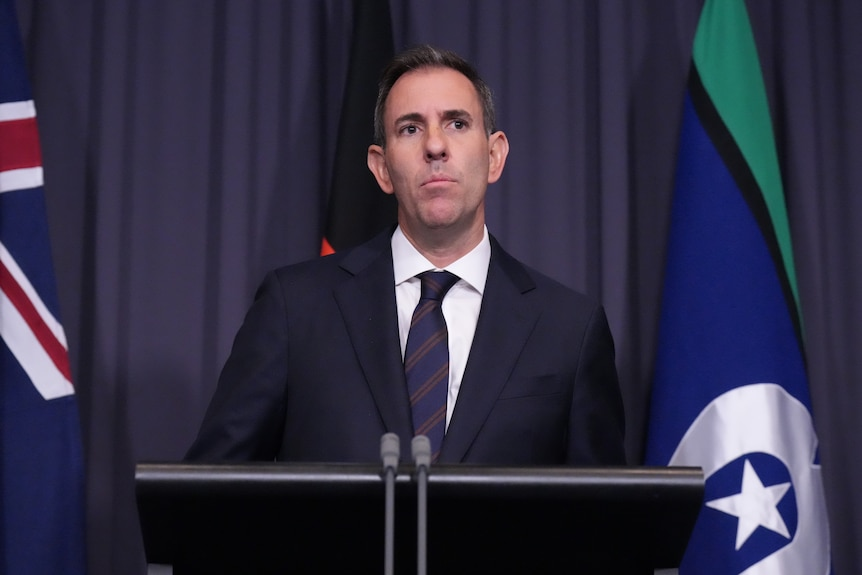
Australia is heading into its next federal budget with an unexpected boost in revenue, largely driven by global turmoil rather than domestic policy.
The ongoing conflict involving Iran has pushed up oil and energy prices, which in turn is feeding into higher inflation and stronger government income through taxes and royalties.
This surge in commodity prices is effectively creating a budget windfall. When prices for resources like energy and minerals rise, governments collect more revenue from company profits, export earnings, and associated economic activity.
But instead of spending that extra money, the federal government is expected to largely bank the gains. Economists and policymakers are warning that injecting too much additional spending into the economy right now could make inflation worse.
That caution comes at a sensitive moment. Inflation has already climbed to around 4.6%, driven in part by fuel costs that have jumped sharply due to Middle East disruptions.
At the same time, the Reserve Bank of Australia (RBA) is under pressure to keep raising interest rates to control prices. Markets are already pricing in a high chance of another rate hike, which would further increase borrowing costs for households.
This creates a balancing act for the government:
Spend too much → risk worsening inflation
Save too much → risk political backlash amid cost-of-living pressures
Banking the windfall helps avoid adding fuel to inflation, but it also means less immediate relief for households dealing with rising living costs.
Meanwhile, the broader economy is showing signs of strain. Banks like National Australia Bank have reported weaker profits and warned that global instability is increasing financial risks.
Higher fuel prices, rising interest rates, and global uncertainty are all feeding into a more cautious outlook for both businesses and consumers.
At TMFS, the bigger picture is clear. This is not a typical budget boost driven by strong productivity or growth. It’s a windfall created by external shocks.
That makes the government’s approach more conservative. Rather than turning temporary gains into permanent spending, the priority appears to be stability over stimulus.
The real question is what comes next. If commodity prices fall or global tensions ease, that windfall could disappear just as quickly as it arrived.
DAILY WA © 2025
Daily WA Online is an independent news and media platform covering Western Australia. Owned by TMFS International Pty Ltd., we publish local stories, business insights, lifestyle features, and community voices for the digital era.