
The Australian Soldiers Who Fought in the ‘Forgotten War’
Australian troops who served in the Korean War are being remembered for their role in one of the 20th century’s most significant yet often overlooked conflicts.
OPINION & VOICES
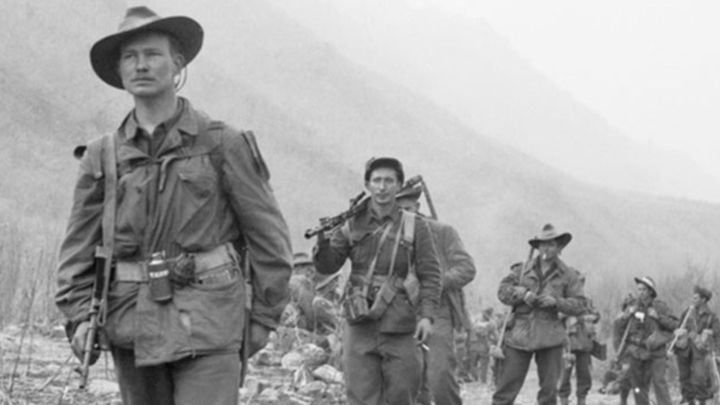
Some wars dominate public memory. Others fade quietly into the background despite their scale and significance. The Korean War is often described as the “forgotten war,” yet for the Australian soldiers who served, its impact was anything but distant.
Between 1950 and 1953, more than 17,000 Australians were deployed as part of United Nations forces responding to the conflict on the Korean Peninsula. The war began when North Korean forces crossed into South Korea, triggering an international military response aimed at restoring stability in the region.
Australian troops played a key role in several critical engagements. One of the most notable was the Battle of Kapyong, where Australian and allied forces held off a much larger enemy force. The battle is widely regarded as a defining moment that demonstrated both strategic resilience and extraordinary bravery.
Combat conditions were harsh and often unpredictable. Soldiers faced extreme weather, rugged terrain, and intense frontline engagements. Freezing winters and difficult supply lines added to the challenges faced by troops operating far from home.
Unlike the world wars that came before it, the Korean War did not end with a formal peace treaty. Instead, an armistice agreement brought active fighting to a halt, leaving the peninsula divided. This unresolved outcome contributed to the conflict receiving less long term public attention.
For veterans, however, the experience remained deeply personal. Many returned home to a country that offered limited recognition compared to earlier generations of servicemen and women. Over time, efforts have been made to ensure their service is properly acknowledged.
Memorials and commemorative services across Australia now honour those who served in Korea, recognising both their contribution and the sacrifices made during the conflict. These ceremonies help ensure that the legacy of the war is not lost to history.
Historians often note that the Korean War sits at a crossroads between global conflict and modern geopolitics. It marked one of the first major confrontations of the Cold War era and set the stage for ongoing tensions in the region.
The term “forgotten war” reflects more about public memory than historical importance. For those who fought, the war represented a defining chapter of courage, endurance, and duty.
At TMFS, we observe that remembrance plays a crucial role in understanding history. Recognising conflicts like the Korean War ensures that the experiences of those who served are preserved and respected.
Today, the stories of Australian soldiers in Korea continue to be shared through archives, memorials, and personal accounts. Each story contributes to a broader understanding of a conflict that shaped not only international relations but also the lives of those who served.
Remembering them is not just about the past. It is about ensuring that their service remains part of the national story, even when history risks being overlooked.
All rights belong to their respective owners. This article contains references and insights based on publicly available information and sources. We do not claim ownership over any third party content mentioned.
DAILY WA © 2025
Daily WA Online is an independent news and media platform covering Western Australia. Owned by TMFS International Pty Ltd., we publish local stories, business insights, lifestyle features, and community voices for the digital era.