
The $1 Trillion Milestone and Australia’s Fiscal Future
Australia’s national debt has officially reached the $1 trillion mark. Explore the impact of this milestone on the federal budget and what it means for taxpayers.
BUSINESS & ECONOMY
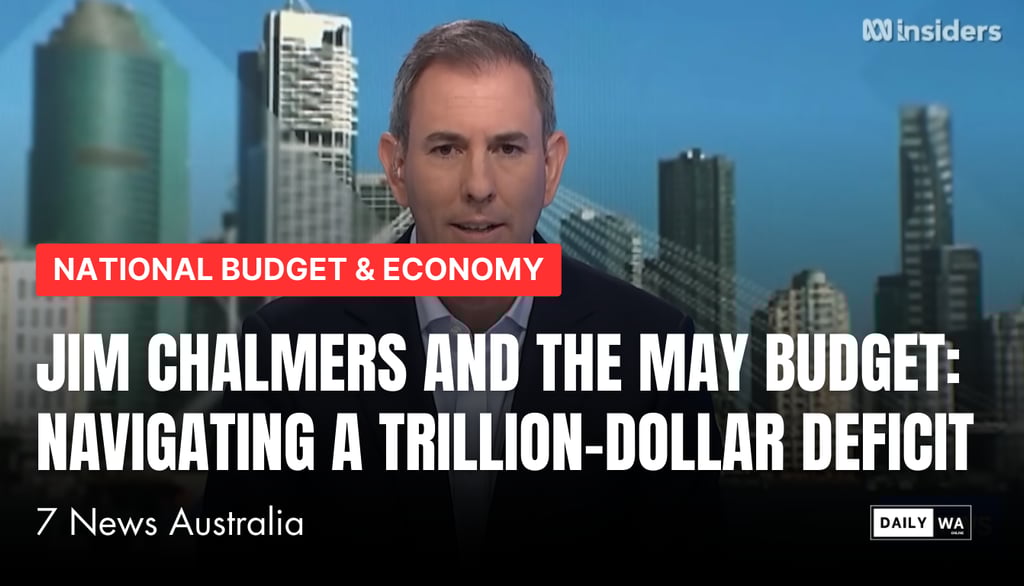
The trillion-dollar milestone currently facing the Australian economy marks a historic shift in the nation’s financial narrative. For the first time, the national gross debt is projected to surpass the $1 trillion mark, a figure that carries significant weight for both policy makers and everyday taxpayers. This surge comes amid reports of an unexpected budget blowout, placing Treasurer Jim Chalmers in a delicate position as the May budget approaches. While the government has previously aimed for a path of fiscal restraint, the reality of a thirteen-figure debt suggests that the structural challenges within the budget—ranging from social services to defense—are becoming increasingly difficult to contain. For the average Australian, this milestone isn't just a number on a spreadsheet; it represents a long-term commitment to debt servicing that could impact public spending for a generation.
The correlation between government spending and the persistent cost-of-living crisis remains a focal point for economic analysts heading into mid-2026. The central bank has been vocal regarding the "inflationary fuel" provided by high levels of public expenditure. As the national debt continues its upward trajectory, the pressure on the Reserve Bank to maintain or even increase interest rates becomes more intense. The logic is straightforward: when the government injects significant capital into the economy through borrowing, it risks overheating a market that the RBA is actively trying to cool. This creates a "policy tug-of-war" where fiscal decisions at the parliamentary level may inadvertently keep mortgage rates higher for longer, leaving households to bridge the gap between rising prices and stagnant relief.
Navigating the path to fiscal repair requires a transparent look at the "undisclosed blowouts" that have recently come to light. As the federal government prepares its upcoming financial roadmap, the focus is shifting toward how these additional billions in debt will be managed without stifling economic growth. Economists argue that while debt was a necessary tool during global downturns, the transition back to a balanced ledger is proving more volatile than anticipated. The challenge for the Treasury now lies in providing a budget that offers genuine support to those struggling with inflation while simultaneously proving to global credit markets that Australia's debt-to-GDP ratio remains under control. With the $1 trillion threshold now in the rearview mirror, the conversation has shifted from "if" the debt can be managed to "how" the country will afford the interest bill in a high-rate environment.
All rights belong to their respective owners. This article contains references and insights based on publicly available information and sources. We do not claim ownership over any third party content mentioned.
DAILY WA © 2025
Daily WA Online is an independent news and media platform covering Western Australia. Owned by TMFS International Pty Ltd., we publish local stories, business insights, lifestyle features, and community voices for the digital era.