
US Launches Third Round of Strikes on Iran After Revolutionary Guards Close Strait of Hormuz
The United States has carried out its third round of strikes against Iran in a week after Tehran declared the Strait of Hormuz closed, escalating tensions across the Middle East and raising concerns over global energy supplies.
NEWS & CURRENT AFFAIRS
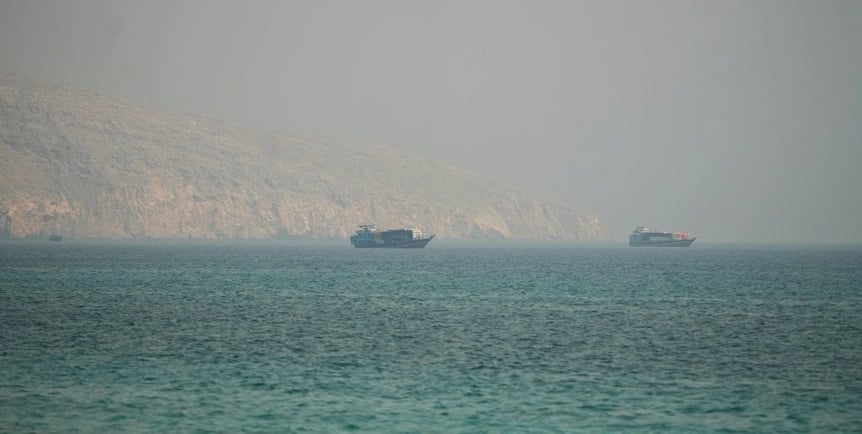
The United States has launched a third round of military strikes against Iran within a week after Iran's Islamic Revolutionary Guard Corps (IRGC) announced the closure of the Strait of Hormuz, one of the world's most important maritime trade corridors. The latest escalation follows an alleged IRGC attack on a Cyprus flagged container ship that was transiting the strait, leaving the vessel badly damaged and one crew member missing. (Reuters)
Escalating Military Confrontation
According to US officials, the latest strikes targeted Iranian military assets linked to maritime operations, including missile launch sites, coastal radar systems, and naval infrastructure. Washington said the attacks were intended to reduce Iran's ability to threaten commercial shipping and maintain freedom of navigation through the Gulf. (AP News)
Iran has defended its actions, stating that it closed the Strait of Hormuz after accusing commercial vessels of violating its declared shipping regulations. Tehran warned that further military action would trigger additional retaliation. (The Guardian)
Why the Strait of Hormuz Is Critical
The Strait of Hormuz connects the Persian Gulf with the Gulf of Oman and the Arabian Sea, making it one of the world's busiest energy transport routes.
Large volumes of global exports pass through the narrow waterway each day, including:
Crude oil
Liquefied natural gas
Refined petroleum products
Commercial cargo
Strategic energy supplies
Any disruption to shipping in the area can rapidly affect global energy markets and international trade.
Regional Tensions Continue to Rise
The latest exchange of strikes has heightened security concerns across the Middle East.
Reports indicate that missile and drone threats have affected several Gulf nations, prompting heightened military readiness and air defence activity throughout the region. Diplomatic efforts led by regional mediators continue, although prospects for an immediate de-escalation remain uncertain. (Reuters)
Economic Impact
The renewed conflict has already influenced global financial markets.
Analysts warn that prolonged disruption in the Strait of Hormuz could contribute to:
Higher oil prices
Increased fuel costs
Rising inflation
Supply chain disruptions
Greater market volatility
Energy traders continue to monitor developments closely as uncertainty grows.
International Response
Governments around the world have urged restraint and called for diplomatic solutions to prevent further escalation.
Many countries remain concerned that continued military exchanges could threaten regional stability and disrupt one of the world's most strategically important maritime routes.
The third round of US strikes against Iran marks a significant escalation in an already volatile confrontation centred on the Strait of Hormuz.
With commercial shipping under threat and diplomatic negotiations facing mounting challenges, the conflict has become a matter of global concern extending far beyond the Middle East. As governments monitor developments, attention remains focused on whether diplomacy can prevent a broader regional crisis and restore stability to one of the world's most vital energy corridors.
All rights belong to their respective owners. This article contains references and insights based on publicly available information and sources. We do not claim ownership over any third-party content mentioned.
DAILY WA © 2025
Daily WA Online is an independent news and media platform covering Western Australia. Owned by TMFS International Pty Ltd., we publish local stories, business insights, lifestyle features, and community voices for the digital era.