
US Military Damage From Iran War Signals ‘End of an Era’ in Middle East Strategy
The damage sustained by US forces during the conflict with Iran has sparked debate among defence experts, with some arguing it marks a turning point in America’s long-standing military strategy in the Middle East.
NEWS & CURRENT AFFAIRS
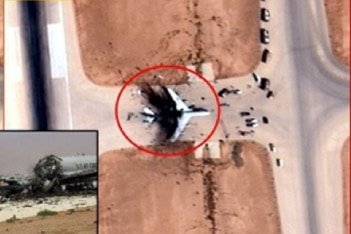
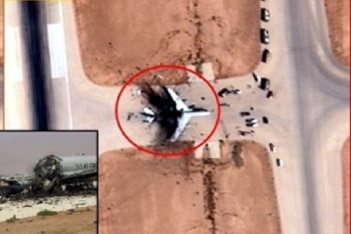
The impact of the recent conflict between the United States and Iran has triggered debate among defence analysts over whether the war represents a turning point in America's approach to military power in the Middle East.
The scale of damage experienced by US forces, combined with evolving missile, drone, and asymmetric warfare threats, has raised questions about the future role of American military dominance in the region.
A Challenging New Battlefield
For decades, the US military maintained significant advantages in the Middle East through advanced aircraft, naval power, intelligence capabilities, and overseas bases.
However, recent conflicts have demonstrated that modern warfare has changed.
Lower-cost technologies such as:
Armed drones
Precision missiles
Cyber operations
Electronic warfare systems
Autonomous weapons
have allowed regional actors to challenge much larger and more technologically advanced militaries.
The Cost of the Conflict
Military analysts say the damage sustained during the Iran conflict highlights vulnerabilities in traditional US defence strategies.
Modern missile systems can threaten:
Air bases
Naval vessels
Logistics networks
Regional military installations
Critical infrastructure
The increasing effectiveness of these systems means even the world's most powerful militaries must adapt their approach.
A Shift Away From Traditional Intervention
Some experts argue the conflict reflects the decline of a previous era in which the US could rely heavily on overwhelming military superiority to shape regional outcomes.
Instead, future strategies may focus more on:
Regional partnerships
Advanced air and missile defence
Intelligence sharing
Cyber capabilities
Smaller, technology-focused deployments
This approach would represent a significant change from large-scale military campaigns seen over the past two decades.
The Rise of Asymmetric Warfare
Iran and other regional actors have increasingly relied on asymmetric strategies designed to challenge stronger opponents without matching them weapon-for-weapon.
These tactics can include:
Drone attacks
Proxy forces
Missile strikes
Naval harassment
Cyber disruption
Such methods can impose significant costs while requiring fewer resources than conventional military competition.
Implications for US Allies
The conflict has also raised concerns among US partners in the Middle East and beyond.
Allies are closely watching how Washington responds and whether American security commitments remain strong in a changing global environment.
The situation may influence future decisions regarding:
Defence spending
Military cooperation
Regional security agreements
Domestic defence production
A Broader Global Message
Beyond the Middle East, analysts say the lessons from the conflict could influence US strategic planning in other regions, including the Indo-Pacific.
The growing importance of drones, missiles, and distributed warfare has become a central focus for militaries worldwide.
The damage experienced by US forces during the Iran conflict has intensified debate over the future of American military strategy.
While the United States remains one of the world's most capable military powers, the battlefield environment has become more complex, with smaller and less conventional threats capable of creating significant challenges.
The conflict may represent not the end of US influence in the Middle East, but a transition toward a new era of warfare where technology, alliances, and adaptability are as important as traditional military strength.
All rights belong to their respective owners. This article contains references and insights based on publicly available information and sources. We do not claim ownership over any third-party content mentioned.
DAILY WA © 2025
Daily WA Online is an independent news and media platform covering Western Australia. Owned by TMFS International Pty Ltd., we publish local stories, business insights, lifestyle features, and community voices for the digital era.